Urban Development

Code Enforcement as Coronavirus Response Policy
The Center for Community progress offers advice on effective code enforcement during a time of extreme economic duress.
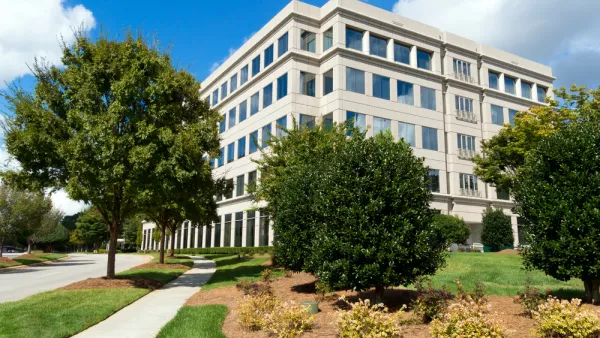
Who Pays When Corporate Campuses Leave the Suburbs?
When corporations move out of the suburbs, they leaving behind largely unprofitable corporate campuses. Loss of property value and tax revenue follow in the communities they left.
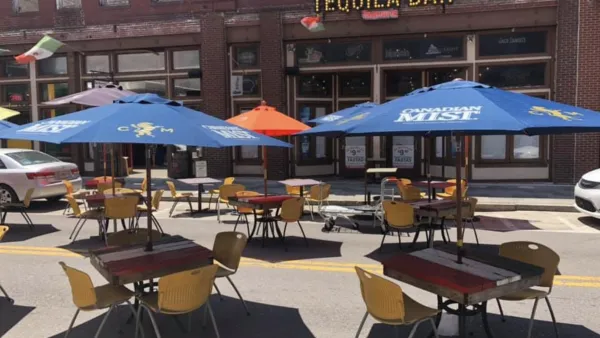
The Growing Footprint of Al Fresco Streets
The al fresco streets movement, moving dining and retail space into the public realm in space historically devoted to automobiles, continues to gain momentum around the country.
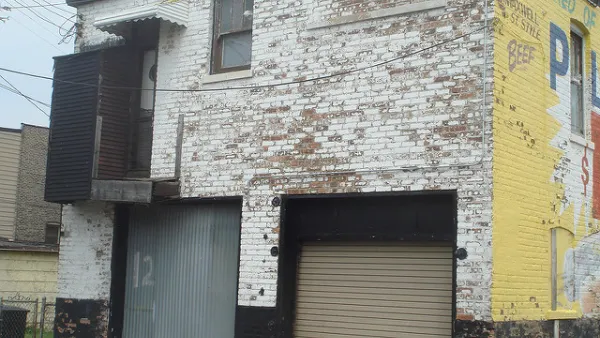
The Argument Against Accessory Dwelling Units
Facing the potential for accessory dwelling units to win swift legalization in Chicago inspires one columnist to push back.
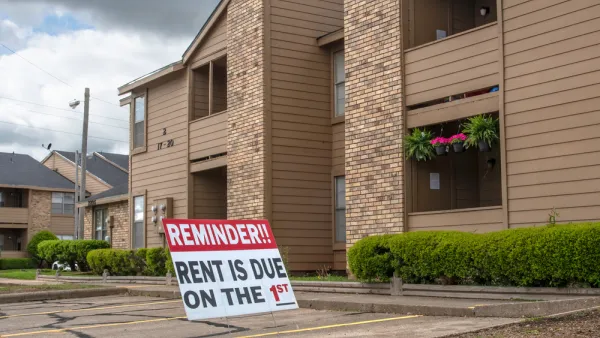
Renters Living in Small Buildings Face the Steepest Economic Risks in the Pandemic
Renters in smaller multi-family buildings and single-family homes are faced with larger economic challenges during the pandemic, according to new analysis by researchers at the Joint Center for Housing Studies of Harvard University.
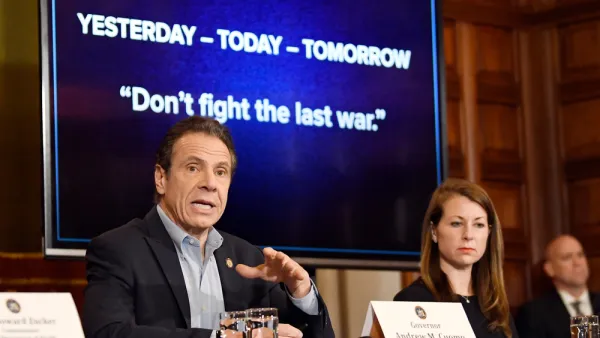
4 Predictions for Urban Planning Post-Coronavirus
The big question for planners since the outset of the pandemic has been how cities and communities will change, and what role planners will take in implementing those changes. Here are four potential ways for urban planning to respond to the crisis.
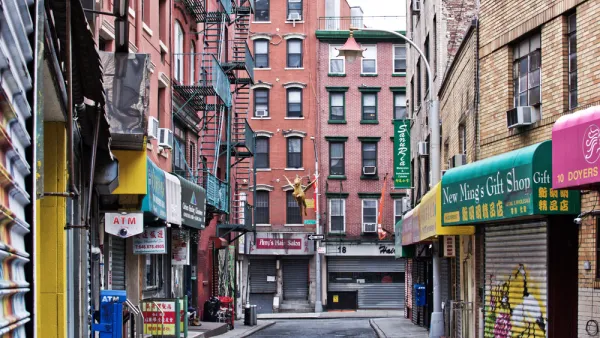
Commercial Rental Market Teeters on the Brink
Large numbers of commercial renters in New York City are missing rent, according to reports.

Popularity of Opportunity Zone Program Grows During the Pandemic
Investors are looking for safe places to park capital gains as volatility roils the stock market. Opportunity zone programs fit the bill.
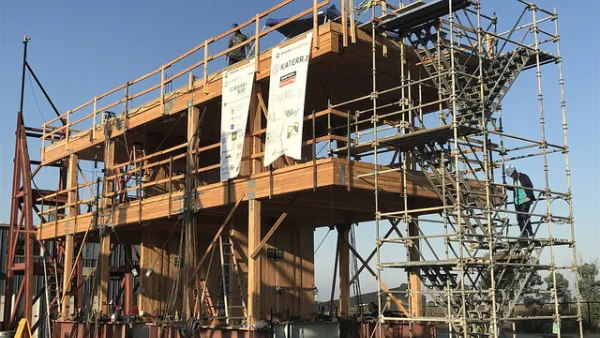
Proposed Mass Timber High-Rise In Seattle Adds Six Stories
A proposal for the development of a mass timber high-rise in First Hill is under community review in Seattle. The project, which adjusted plans to add an additional 6 floors, proposes the tallest mass timber building in Seattle.
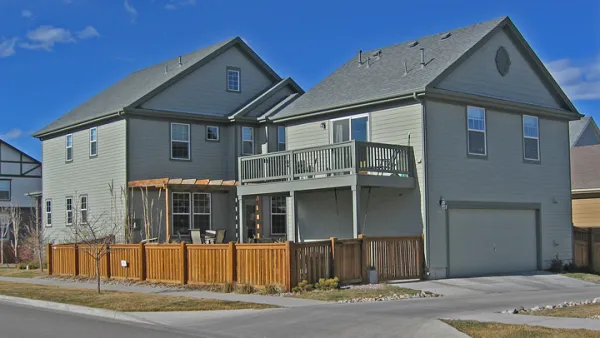
ADU Ordinance Ready for City Council Scrutiny in Chicago
Chicago residents will have the option of building coach houses or convection units if a new law passes as written through the Chicago City Council.

New Ideas in Urban Research
Findings from graduating doctoral students undertaking urban-related research.
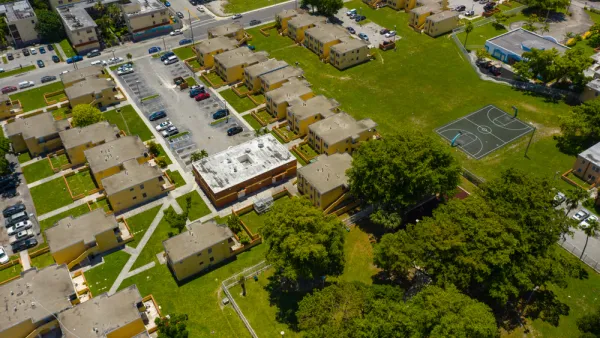
1,000-Plus Mixed-Income Units Planned in Miami
A planned development made possible by a ground lease with the county could add over a thousands mixed income units to the housing market in Miami.
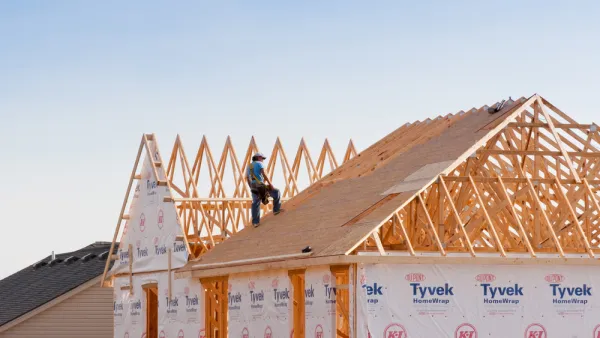
'Built-to-Rent' Industry Attracts Koch Investment
Koch Industries has reportedly bought a major stake in the "build-to-rent" business of Amherst Holdings, a Texas-based single-family rental company.

Citywide Elimination of Parking Minimums on Track in Edmonton
Edmonton, Alberta could be the first major Canadian city to eliminate parking minimums citywide—an ambitious and notable step for all North American cities.
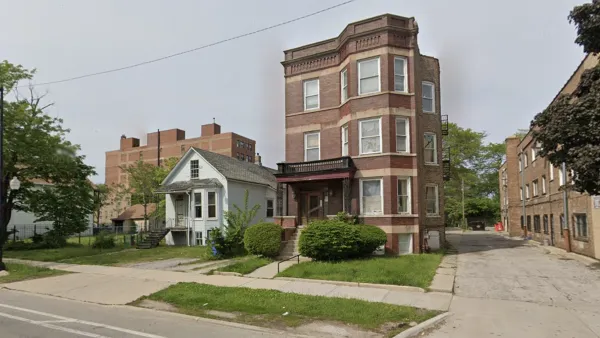
Kanye West Makes More Permitting Trouble in Chicago
Kanye West is renovating his childhood home on the South Side of Chicago, but hasn't always had the permits to do the work until after the fact.
In Planning, Reality Can Be Worse Than Fiction
The Showtime Series Penny Dreadful portrays a bleak vision of 1940s Los Angeles. But, unencumbered by regulations and zoning laws, it also displays what great urban neighborhoods can look like.

Visualizing the Coronavirus Pandemic
Mapping of the crisis is producing a fascinating and important trove of cartographic records.
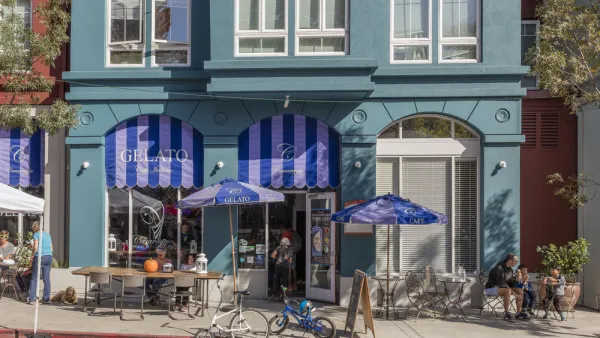
Berkeley Could Redefine the Al Fresco Streets Movement
The city of Berkeley is pursuing an aggressive plan to open the streets for outdoor dining as an economic development tool for local commercial businesses.

Pandemic a Call to Arms for Planners
The pandemic has raised alarms about density. Post-pandemic, urban planners should fight more passionately than ever for progressive principles that make cities more equitable, pleasant, and, yes, healthy.

Fostering a 'Green Economic Recovery' in Post-Coronavirus Cities
Cities around the world are putting sustainability and climate change at the forefront of economic recovery plans.

FREE Course: Walkable City 1: Why Walkability?
After describing his path towards focusing on walkability as the essence of good planning, Jeff Speck marches through his five principal reasons for making more walkable places.
Reinventing Malls: Planning Alchemy—Turning Gray Fields Into Gold
The course focuses on the opportunities and imperatives that shape reinvention of mall sites.

Eagle County Government
Harvard University Graduate School of Design
Nashville Planning Department
The Architects Foundation
University of Cincinnati Online
The Pocatello Development Authority
The Urban Renewal Agency of the City of Pocatello
Journal of the American Planning Association