The 25-acre site will be vacant after the National Guard relocates, and a new report says a public development authority should manage the property.


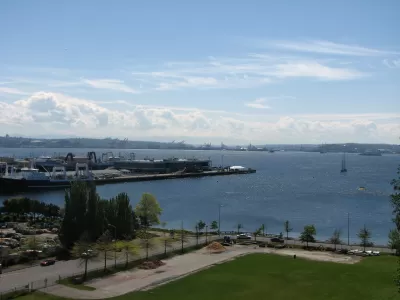
Ray Dubicki writes about the future of the Interbay Armory in Seattle and the possibilities to transform the military facility site. A new report from the Washington Department of Commerce proposes good ideas, he says, but it does not go far enough.
"It sees the potential at this crux of infrastructure, development, and a booming population. It recognizes what could be there. Then it stops short of making bold proposals," says Dubicki.
He points out that the report does not adequately consider all the stakeholders involved and coordination around various infrastructure projects. He is also critical of how public comments were incorporated into the analysis and the report’s focus on current conditions instead of future challenges.
Dubicki discusses what he thinks are a slew of better ideas being developed for the Interbay Armory site. He does, however, support the report’s proposal to establish a public development authority. "It gets us closer to having a functional relationship between the city and the land it owns. It gets us closer to recognizing the City can be an investor in its own future," he says.
FULL STORY: Armory Development Authority Could Unlock Visionary Interbay Plans

How Seattle Plans to Leverage Public Resources to Protect Arts and Culture
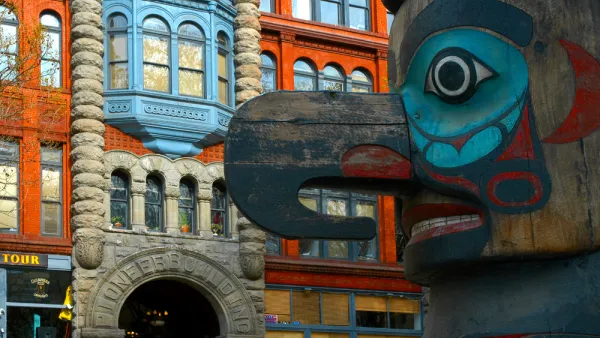
The Cultural Space Agency, proposed in Seattle, would be a new type of public development authority, a city agency with a mission to preserve and create arts and culture in the face of gentrification.
Seattle Light Rail Expansion Brings Redevelopment Boom
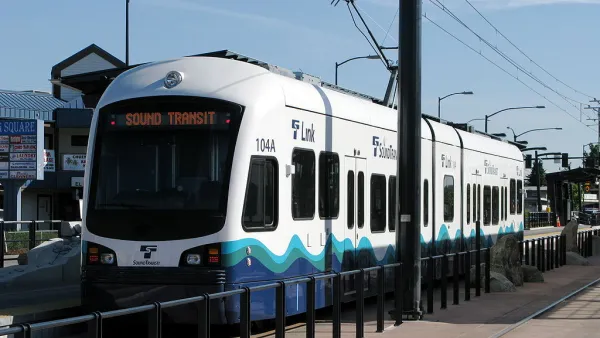
The city’s Northgate Link extension has spurred development around the new stations, and one neighborhood is poised to change dramatically.
Big Redevelopment Opportunity Pops Up in Seattle
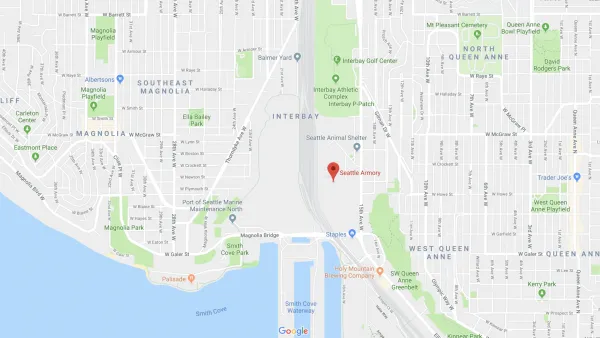
This unique redevelopment opportunity is possible because the Washington National Guard plans to abandon a 25-acre property in Seattle, with a mandate to achieve the "highest public benefit" for taxpayers as a result of the redevelopment.

Planetizen Federal Action Tracker
A weekly monitor of how Trump’s orders and actions are impacting planners and planning in America.

The state-sanctioned urbicide of Austin
People don’t kill cities. Freeways do.

US to reduce Colorado River water deliveries to Mexico
A new Colorado Treaty amendment reduces Mexico’s Colorado River water allocation by 250,000 acre feet.

5 New England states march closer to 800 megawatt wind energy project
Securing federal approval for the project may be complicated under the Trump administration, which has historically been hostile towards domestic wind power.

Baltimore to break ground on $50 million Transit Priority Project
The project will bring faster bus trips, safer streets and better bike connections to Baltimore.

Airbnb launches $250 million 'last-dollar financing' housing accelerator, makes first investment in Austin
The company will put $6.4 million towards affordable housing development in Texas’ capital.

FREE Course: Walkable City 1: Why Walkability?
After describing his path towards focusing on walkability as the essence of good planning, Jeff Speck marches through his five principal reasons for making more walkable places.
Reinventing Malls: Planning Alchemy—Turning Gray Fields Into Gold
The course focuses on the opportunities and imperatives that shape reinvention of mall sites.

Eagle County Government
Harvard University Graduate School of Design
Nashville Planning Department
The Architects Foundation
University of Cincinnati Online
The Pocatello Development Authority
The Urban Renewal Agency of the City of Pocatello
Journal of the American Planning Association