Transportation
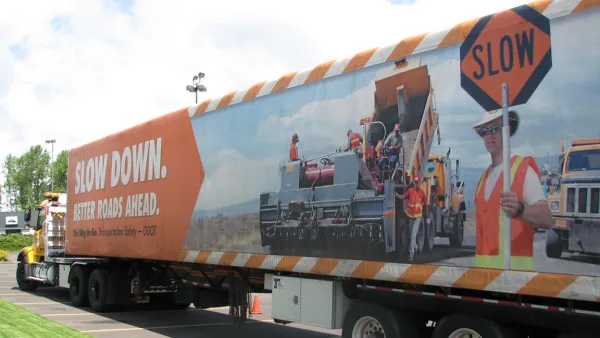
Old Thinking In New Traffic Safety Reports
A new paradigm is expanding transport safety strategies to include demand management and smart growth, but the old paradigm is alive and deadly as illustrated by two new traffic safety guidance documents.
State Gas Taxes and P3s Fill Federal Transportation Revenue Void
Beginning last year, states increased gas taxes and entered public-private partnerships, as are some cities. But it's not an easy haul for cities nor states, and Congress has yet to agree how to furnish sufficient revenue to match current spending.
Does Exhausting the Highway Trust Fund Have a Silver Lining?
Avid highway opponents are less concerned about filling the Trust Fund gap, notwithstanding the effect on transit, and more on stopping road expansion. Widening of Colorado's I-25 and U.S. 26 in Oregon may halt without an agreement for new funds.
Recapping Media Reaction to Tear Down Proposal for I-345 in Dallas
Dallas Morning News Architecture Critic Mark Lamster calls out the media for its coverage of a proposal to tear down the I-345 in Dallas.
The Secret to Community Development Fund Success
Two innovative community development funds are behind big impact on affordable housing in New York and Colorado. Enterprise Community Partners spells out how they're structured, the lessons they've learned, and why it's not that scary.

Crowd-Sourced Infographic Rates Ten Transit Systems
An interactive map featuring a combination of ESRI's Story Maps, Yelp, and TripAdvisor posts shows ten popular subway systems as rated by transit riders.
Questioning Denver’s I-70 Highway Widening
Denver Auditor Dennis Gallagher has strong words about the wisdom of spending $1.8 billion to widen Interstate 70 to ten lanes in Northeast Denver. The highway widening would also include a freeway cap park.
Seeking Funding: Light Rail Route from Miami to Miami Beach
Local officials agree that a light rail system from Miami to Miami Beach would work, and they have embarked on a partnership to win the funding to commence a study of a potential $532 million route.
North Carolina to Consider Vehicle Miles Travelled Fee
Bruce Siceloff reports that a North Carolina state Board of Transportation committee will receive a recommendation that the state consider a vehicle miles tax.
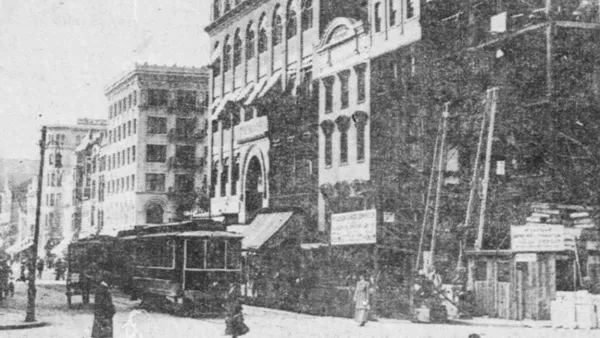
D.C. Business Owners Say Streetcar's No Silver Bullet, but Could Spur Growth
With D.C.'s first streetcar since 1962 about to begin service (any day now), how are business owners along the corridor holding up?
Cars Are Key to Reducing Poverty
Many advocates for new ways of thinking about places and streets argue for reduced use of cars as the dominant mode of transportation. A new study finds, however that poverty is improved when the poor have access to a car for transportation.
Google Bus Opponents Lose CEQA Appeal
Yes—that's right: fervent opponents of Google (et.al) buses tried to use California's environmental law to get them off the streets of San Francisco—which would lead to tech employees driving their own vehicles to Silicon Valley.
''D.C.'s High Line" Could Transform the Banks of the Anacostia
The proposed elevated park across the Anacostia would be a first for D.C. The group backing it has launched a national design competition to design a bridge that fosters economic development, promotes community health, and cleans the river.
Port Authority Funds Diverted to New Jersey Roads and Bridges
As an alternative to raising the nation's second lowest gas tax (but lacking Alaska's oil wells), The Record found that Gov. Christie diverted toll revenue from the Port Authority and used them for state-owned facilities such as the Pulaskie Skyway.
What's Wrong With Walk Score's Food Desert Map
Walk Score’s new food desert map is a potentially powerful tool in the ongoing policy debate about access to healthy foods. But it’s still a work in progress.
Proposed Transit Fare Increase Provokes Strong Opposition in Los Angeles
More than 500 “activists, students and low-wage workers” spent their Saturday at a public hearing at the Los Angeles County Metropolitan Transportation Authority imploring the agency’s board not to raise fees.

How Easy is Walking to the Grocery Store in Your City?
Angie Schmitt shares news of an effort by WalkScore to rank cities based on the ability of residents to access grocery stores on foot. WalkScore invites planners all over country to use their data to improve walkable access to food in cities.
Report: California High-Speed Rail Won't Meet Travel Time Requirement
In 2008, California voters approved the country's only true HSR project with a travel time of 2 hours, 40 minutes from L.A. to San Francisco. Anything more than that might cause legislators to balk at proposed cap-and-trade funding for the train.
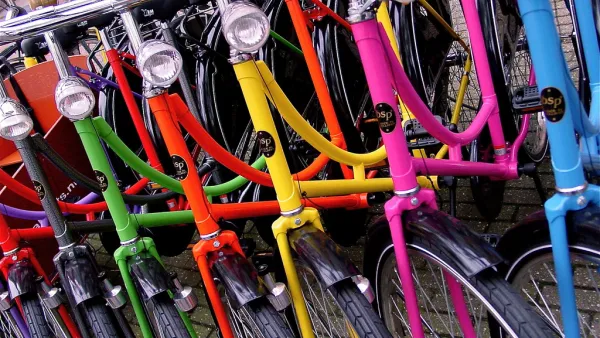
Can Biking Be for Everyone?
Most bikers are white and have a college degree. A recent article examines the Baltimore Bike Experience as an example of the types of programs that could expand the use of biking into other parts of the city, among other benefits.
The Car-Free Share, and Hail, Their Rides
Ben Adler considers the availability of car-sharing and cab services in maintaining a car-free population.

FREE Course: Walkable City 1: Why Walkability?
After describing his path towards focusing on walkability as the essence of good planning, Jeff Speck marches through his five principal reasons for making more walkable places.
Reinventing Malls: Planning Alchemy—Turning Gray Fields Into Gold
The course focuses on the opportunities and imperatives that shape reinvention of mall sites.

Greater Baltimore Committee
Eagle County Government
Harvard University Graduate School of Design
The Architects Foundation
University of Cincinnati Online
The Pocatello Development Authority
The Urban Renewal Agency of the City of Pocatello
Journal of the American Planning Association