Urban Planning
Preserving Essential Information in an Uncertain World
The new U.S. federal administration may eliminate useful information sources. Planners should download and preserve key documents and datasets.

Did Brookings Get It Wrong?
A recent Brookings study on the 2020 homicide wave tells a simple story: unemployment plus closed schools plus guns equals crime. But is the story accurate?

Midburbs: A New Definition of Suburbs
When the name “suburb” just doesn't quite fit.

Planning Year in Review 2024: An Ongoing Housing Crisis, the Fight for Climate Resilience, and a Mixed Bag for Transportation
A pedestrian safety crisis, rising housing instability, and destructive extreme weather events set the stage for an eventful year.
The Link Between Urban Design and Crime
A meta-study shows that public realm interventions can help reduce crime rates.
Research Links Urban Design and Human Happiness
An emerging field of ‘neuroarchitectural’ research is revealing how building facades and urban design impact the human brain and body.
Is Crime More Concentrated in Spread-out Cities?
Our nation's most transit-friendly cities have lower crime rates than many sprawling cities- yet some people seem to feel safer in sprawling cities because they believe that in sprawl, crime is concentrated in just a few neighborhoods. Is this correct?

Planetizen’s Top Posts of 2024
The most-read articles on Planetizen in 2024.

Planetizen’s Top Urban Planning Books of 2024
Top of mind in 2024 were the far-reaching impacts of climate displacement, zoning as a solution to the housing crisis, and the potential for safer roads and better public transit in American cities.
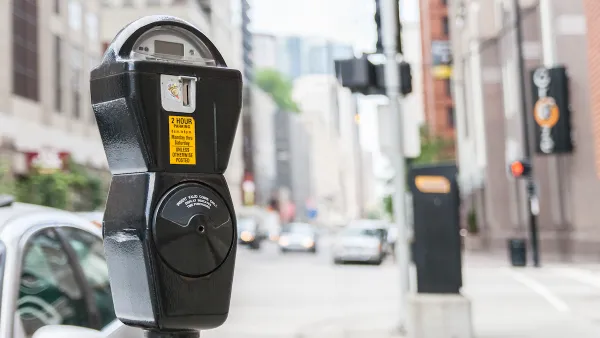
Busting Common Planning Myths
Will removing parking minimums put a strain on existing parking supply? Are long-range traffic forecasts the best tool to guide decisions about our streets? Are one-way streets better than two-way streets?

Applying to Graduate School in Planning: A Second Update
In 2008 and 2018, I wrote some much-read blogs about how to get into planning school. As deadlines near, I revisit that advice. I look first at the big picture of the case you need to make for the admissions committee and then the logistics.
November Must-Reads: Top 10 Articles From Last Month
The future of planning in the second Trump administration, housing policy, and highway removal — here are Planetizen’s most popular headlines from November 2024.

Opinion: “New Towns” Are the Answer to Affordable Housing Challenges
How thoughtful design can create more walkable, livable communities.

How Cities Can Leverage Financial Data for Smarter Urban Planning
Explore how cities can use financial data to enhance urban planning, improve budget allocation, and boost community services.
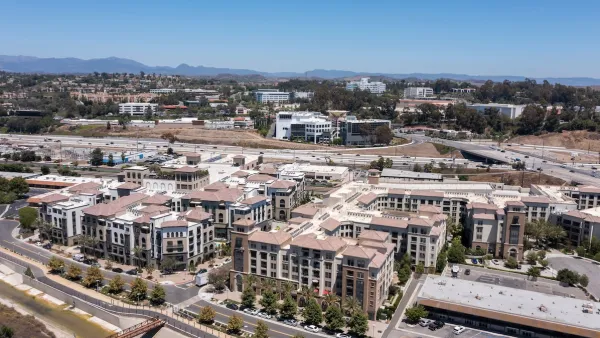
Balancing TOD and Public Health
Building housing near transportation networks can improve density and walkability, but can also have serious health consequences for residents.
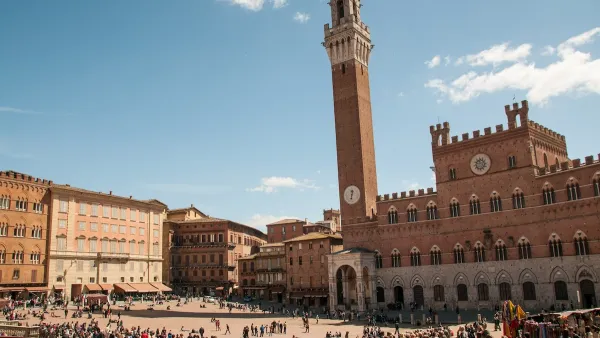
Commentary: A World Planning Congress That Was Out of This World
This year’s gathering was full of promise, hope — and tension.

Francis Ford Copolla’s Urban Planning Swan Song
Legendary director Francis Ford Coppola’s likely final major film, Megalopolis, celebrates design and urban planning. It is a dazzling mishmash of architectural, cinematic, and literary history.
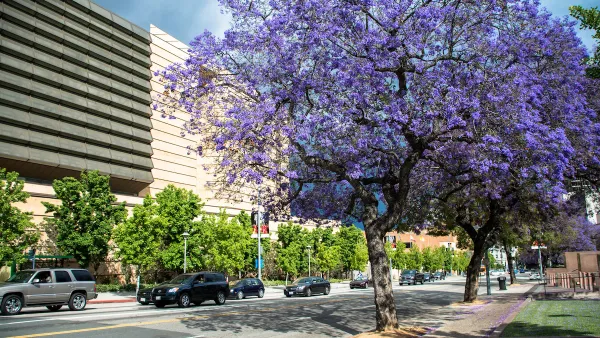
Addressing Tree Canopy Disparity in South Los Angeles
A new study highlights the complex challenge of addressing tree canopy disparities in South L.A., where historical environmental injustices, budget constraints, and competing community priorities hinder efforts to increase equitable tree coverage.

The Role of AI in Streamlining Municipal Services and Operations
Explore how artificial intelligence optimizes municipal services, enhancing efficiency in urban planning, traffic management, and public safety.

Seattle’s New Overlook Walk Offers Ample Park Space Near Pike Place Market
The elevated park and event space replaces part of the demolished Alaskan Way Viaduct, connecting the city’s famous Pike Place Market to the waterfront.

FREE Course: Walkable City 1: Why Walkability?
After describing his path towards focusing on walkability as the essence of good planning, Jeff Speck marches through his five principal reasons for making more walkable places.
Reinventing Malls: Planning Alchemy—Turning Gray Fields Into Gold
The course focuses on the opportunities and imperatives that shape reinvention of mall sites.

City of Rosemead
Rutgers University, Edward J. Bloustein School of Planning and Public Policy
One Hundred Miles
The Architects Foundation
University of Cincinnati Online
Montrose County
The Pocatello Development Authority
The Urban Renewal Agency of the City of Pocatello









