The light rail project can move forward with the engineering and design phase, with a groundbreaking expected in 2027.


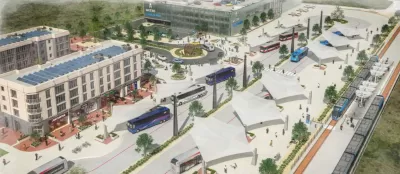
Austin’s long-awaited Project Connect moved forward with the approval of a $193 million budget, reports Haley McLeod in Community Impact.
Austin Transit Partnership, the entity tasked with building the 9.8-mile light rail project, can now move forward with design work needed before a planned groundbreaking in 2027.
The project also includes two MetroRapid bus routes and new park and ride facilities that will begin operating in 2025. “Also starting in 2025, the light rail project is expected to enter the project development phase. Over the past year, the agency has initiated the environmental impact review process, increasing the potential for additional federal funding once construction begins.”
The project will focus on engineering and design, stakeholder coordination and outreach, permitting, utility relocation, and regulatory compliance in the next fiscal year. McLeod adds, “Beginning in the next fiscal year, the agency will need to allocate funding towards pre-construction costs. Subsequently, the next several years' budgets are expected to increase sharply.”
Read the full story: Project Connect: Austin's 9.8-mile light rail system advances with $193M budget approval


Austin’s Project Connect Faces More Hurdles
Two proposed bills in the Texas state legislature call for more voter oversight of the mass transit project, which could imperil the transit expansion approved by voters in 2020.
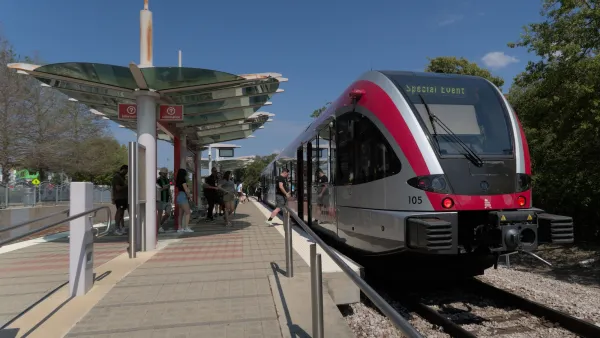
Austin's Project Connect has shrunk to less than half its proposed length — at a higher cost
A highly anticipated light rail project is quickly diminishing in scope as costs soar.

Austin Light Rail Project Begins Work, Could Open in 2033
The Austin Transit Partnership awarded a contract for pre-construction activities for a 10-mile light rail line.

Planetizen Federal Action Tracker
A weekly monitor of how Trump’s orders and actions are impacting planners and planning in America.

California plans to bury El Niño’s downpour
If the state plays its cards right, it may be able to store a billion acre-feet of El Niño’s water in aquifers.

Desperate measures: Advocates weigh draining Lake Powell to fill Colorado River
Draining the reservoir could reduce evaporation losses by a couple hundred thousand acre-feet.

NYC bus network redesign speeds up Queens buses
Rush routes have seen a 4.6% speed increase after the redesign.

California High-Speed Rail Authority picks trainset manufacturer
The California High-Speed Rail Authority aims to start servicing passengers by 2033.

LA may place emergency ban on karaoke room permits
If Councilwoman Heather Hutt’s proposal passes, the moratorium would last between 45 days and one year.

FREE Course: Walkable City 1: Why Walkability?
After describing his path towards focusing on walkability as the essence of good planning, Jeff Speck marches through his five principal reasons for making more walkable places.
Reinventing Malls: Planning Alchemy—Turning Gray Fields Into Gold
The course focuses on the opportunities and imperatives that shape reinvention of mall sites.

City of Rosemead
Rutgers University, Edward J. Bloustein School of Planning and Public Policy
One Hundred Miles
Hunter College, City University of New York (CUNY)
The Architects Foundation
University of Cincinnati Online
City of Cambridge
Montrose County
The Pocatello Development Authority