Two difficult votes last year, both requiring super-majorities, are paying huge dividends to 28 transformative projects throughout the Golden State to improve rail and transit service and reduce greenhouse gas emissions.


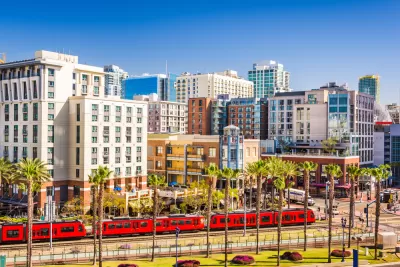
"State officials announced Thursday that $2.4 billion from increases in the gas tax and vehicle fees will be spent on dozens of transit projects, including work to prepare Southern California for the 2028 Summer Olympics," report Patrick McGreevy and Laura J. Nelson for the Los Angeles Times on April 26. The funds were made possible by the passage of SB 1, the Road Repair and Accountability Act of 2017, last April, hiking gas taxes 12 cents per gallon and diesel taxes by 20 cents, effective Nov. 1, 2017.
An additional $1.9 billion for the projects will come from funds collected by the state's landmark climate change program, which requires polluters to buy carbon emission credits, the officials said.
The state's cap-and-trade program had fallen on hard times, but the passage of AB 398 last July, which extends the program through 2030, and a positive outcome on litigation last July, have made for a brighter future for the only state-run carbon trading program in the nation.
The money will go to six [Los Angeles County] Metropolitan Transit Authority expansion projects [jpg], including light-rail extensions to Torrance and Montclair, and additional rapid transit service along congested corridors, according to the California State Transportation Agency, which allocated the money.
That amounts to $1.792 billion, reports Steve Hymon for The Source, Metro's blog. "The California Transportation Commission is scheduled to adopt the funding awards at its meeting on May 16 and 17...Many of the projects recommended for funding are part of the [$120 Billion] Measure M Expenditure Plan — as we’ve said before, having local funding helps attract state and federal funding."
As for the rail and transit projects being transformative, those are the words of the California State Transportation Agency (CalSTA). The $2.6 billion for 28 recipients [pdf] from the new Transit and Intercity Rail Capital Program will fund "transformative capital improvements that modernize California’s intercity rail, bus, ferry and rail transit systems." They need to reduce greenhouse gas emissions as they tap the Greenhouse Gas Reduction Fund.
Looming threat over future grants
McGreevy pens a separate article, also on April 26, about the gas tax repeal initiative.
Republicans are on the verge of turning in at least 830,000 signatures for an initiative to repeal the tax increase. Even before they know for sure it will appear on the November ballot, the party's candidates up and down the state already are acting to direct voter anger over higher fuel prices at Democrats who boosted the levies.
Sen. Jim Beall (D-San Jose), the author of SB 1, was asked about that threat at a press conference on Thursday, reports Melanie Curry for Streetsblog California.
“It would be a very unwise decision to turn your back on this major transformative transit project for the Bay Area,” he said, referring to the extension of Bay Area Rapid Transit into downtown San Jose, which was awarded a [$730 million] TIRCP grant. “I have no doubt the voters of Silicon Valley will reject this foolish notion, which would seriously affect the Bay Area economy and Silicon Valley’s economy.”
Michael Cabanatuan reports for the San Francisco Chronicle on other major transportation projects in the Bay Area to receive funding from the CalSTA grants.
Read the full story: Billions from gas tax and vehicle fees will go to transit projects, California officials announce

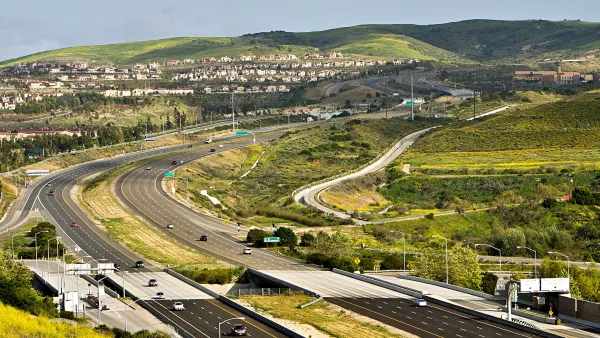
Governor's Transportation and Climate Actions Stir Controversy in California
California Governor Gavin Newsom issued an executive order last month directing state agencies to consider climate goals in their spending and operations. Two weeks later, three highway widening projects were deleted, and locals are crying foul.
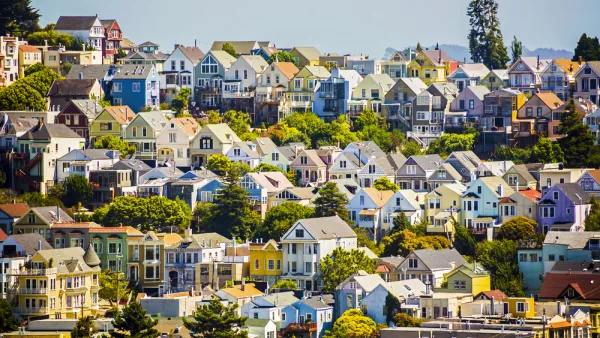
CA Gov.: Cities Must Meet Housing Goals or State Will Withhold Gas Tax Funds
Newly inaugurated California Gov. Gavin Newsom made waves on Thursday in his budget address, threatening cities and counties with the possibility of losing a portion of their gas tax subventions if they fail to meet their state housing requirements.
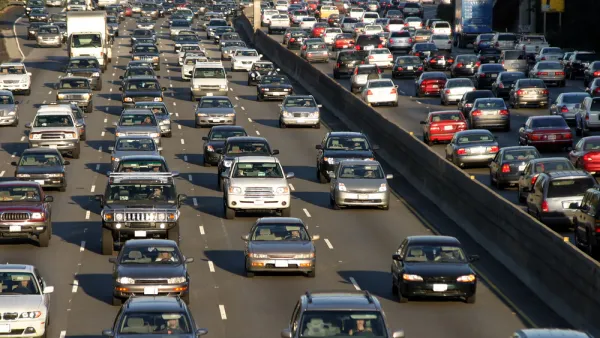
Californians Vote to Maintain Roads and Transit by Rejecting Gas Tax Repeal
In potentially the most important transportation ballot measure in the state since 1990, the last time residents voted on the gas tax, Californians were deciding whether to repeal fuel taxes and vehicle registration fees approved last year.

Planetizen Federal Action Tracker
A weekly monitor of how Trump’s orders and actions are impacting planners and planning in America.

California plans to bury El Niño’s downpour
If the state plays its cards right, it may be able to store a billion acre-feet of El Niño’s water in aquifers.

Chicago breaks ground on $3 billion megadevelopment
The new neighborhood, titled Foundry Park, will one day host 3,700 residences.

California High-Speed Rail Authority CEO resigns after $600,000 scandal
Under Ian Choudri, the authority used taxpayer dollars to fund first class flights and trips to nightclubs.

Want to study the Missouri River? Soon, you may need unanimous approval from 10 states
Legislation would require 10 governors’ permission to study or build projects moving water outside the basin.

Desperate measures: Advocates weigh draining Lake Powell to fill Colorado River
Draining the reservoir could reduce evaporation losses by a couple hundred thousand acre-feet.

FREE Course: Walkable City 1: Why Walkability?
After describing his path towards focusing on walkability as the essence of good planning, Jeff Speck marches through his five principal reasons for making more walkable places.
Reinventing Malls: Planning Alchemy—Turning Gray Fields Into Gold
The course focuses on the opportunities and imperatives that shape reinvention of mall sites.

City of Rosemead
Rutgers University, Edward J. Bloustein School of Planning and Public Policy
One Hundred Miles
Hunter College, City University of New York (CUNY)
The Architects Foundation
University of Cincinnati Online
City of Cambridge
Montrose County
The Pocatello Development Authority