Interstate 35 through Central Austin would be transformed into a three-level roadway wIth toll lanes in the middle, according to an 8.1 billion vision proposed by TxDOT.


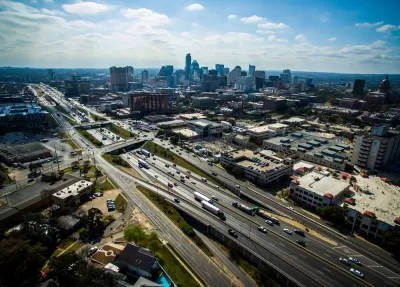
The Texas Transportation Commission, the governing body of the Texas Department of Transportation (TxDOT), is proposing an ambitious, costly project to add two express lanes in both directions of Interstate 35 for a length of 33 miles, reports Ben Wear, who covers transportation for the Austin American-Statesman, on Oct. 30. Based on the constraints of the corridor, it would vary from one to three levels.
A couple of years after pitching the idea of adding one toll lane in each direction, highway officials are now talking about adding two lanes with MoPac-style variable tolls to each side of I-35 from Round Rock to Buda, and burying those lanes well below ground level through much of Central Austin.
That long-range plan, announced Monday, would include eliminating the upper deck that runs between MLK Jr. and Airport boulevards, replacing that two-lanes-a-side free capacity with added freeway lanes tucked under the frontage lanes. This complex three-level design through Austin’s core, which officials have dubbed the Capital Express, would be similar to what the Texas Department of Transportation did recently with Interstate 635 in Dallas.
Dallas set the example in 2015
The 13-mile Interstate 635 LBJ Express Project opened in September 2015. According to a report on opening day from NBC-DFW:
The toll lanes [called TEXpress Lanes] are built underneath the regular I-635 lanes because, based on overwhelming public sentiment, the developers decided not to build higher up to prevent noise. They couldn't expand wider, because that would have required more property.
There are four or five free general lanes in each direction, at least two free frontage roads, and now three managed toll lanes...High occupancy vehicle drivers can register for a 50-percent discount with the "Drive On TexPress" smart phone app.
According to an early U.S. DOT, "Build America Bureau" description, the "$2.6 billion project is being constructed as a public-private partnership (P3) where the private developer will lease the facility from TxDOT and will set toll rates and receive toll revenues over 52 years in return for designing, building, financing, operating, and maintaining (DBFOM) the project."
No new general purpose lanes
"The concept, to squeeze what amounts to 12 expressway lanes into a narrow Central Austin corridor [...] would involve tucking some lanes under those above it in what TxDOT calls a 'cantilever' approach," adds Wear.
The plan, as contemplated now, would not include adding free lanes, said Terry McCoy, TxDOT’s Austin district engineer.
And more toll lanes are planned throughout the state. Wear notes that of the 16 new highway projects planned in metropolitan regions, 14 will have toll lanes, despite Gov. Greg Abbott’s earlier claims that he wouldn't resort to hiking taxes or imposing tolls to pay for highway construction.
Hat tip to David Orr.
FULL STORY: EXCLUSIVE: New I-35 plans call for two toll lanes in each direction

Huge Toll Lane Setback in Texas
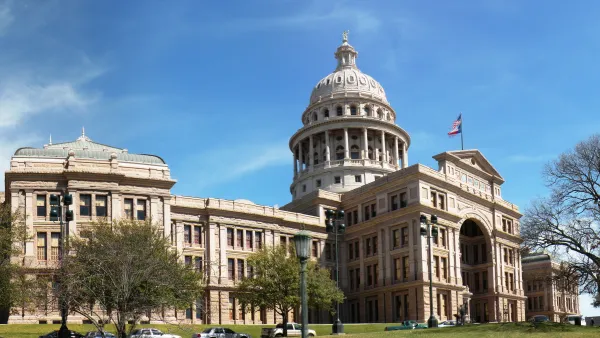
In a landmark, unanimous vote, the Texas Transportation Commission eliminated all 15 express lane projects from their 10-year capital plan despite pleas from Austin area officials to retain the $8 billion, I-35 project that includes four toll lanes.
Toll and Tax, or Just Tax, to Pay for Highway Expansion?
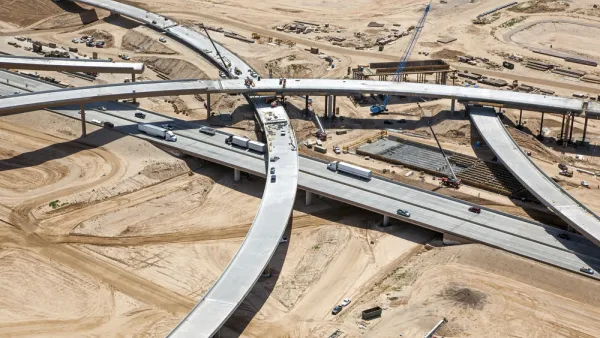
A political decision by the Texas Transportation Commission last December to drop projects which included toll lanes was thought to doom 15 road expansions from their 10-year capital plan, but some will go forward with HOV as opposed to HOT lanes.
Four TEXpress Lanes Open on I-35 West in Fort Worth Ahead of Schedule
Four miles of the 10-mile North Tarrant Express project opened to motorists on April 5. The $1.6 billion project, built by a public-private partnership working with TxDOT, includes rebuilding general purpose and frontage road lanes.

The state-sanctioned urbicide of Austin
People don’t kill cities. Freeways do.

US to reduce Colorado River water deliveries to Mexico
A new Colorado Treaty amendment reduces Mexico’s Colorado River water allocation by 250,000 acre feet.

New Jersey’s second-largest city bans standalone data centers
Jersey City will continue to allow co-location facilities, such as those meant for research institutions that store their own data.

Amtrak not solely to blame for New Jersey commuter rail's unreliability, report finds
A new study from the Garden State Initiative found that NJ Transit’s budget grew 20% across a 4 year period, but reliability declined significantly over the same period.

EPA erases limits on planet-warming pollution from power plants
Under Monday’s plan, power plants would still have some limits on how much mercury, arsenic and other contaminants they can emit.

Phoenix announces new on-demand transit service, more frequent RAPID buses
Both new services will launch in October, and are part of Phoenix's Project Effective Access Solutions for Easing Congestion.

FREE Course: Walkable City 1: Why Walkability?
After describing his path towards focusing on walkability as the essence of good planning, Jeff Speck marches through his five principal reasons for making more walkable places.
Reinventing Malls: Planning Alchemy—Turning Gray Fields Into Gold
The course focuses on the opportunities and imperatives that shape reinvention of mall sites.

Eagle County Government
Harvard University Graduate School of Design
Nashville Planning Department
The Architects Foundation
University of Cincinnati Online
The Pocatello Development Authority
The Urban Renewal Agency of the City of Pocatello
Journal of the American Planning Association