The D.C. Streetcar wraps up 2016 with positive news for its ridership numbers, as well as a positive effect on the nearby transit system.


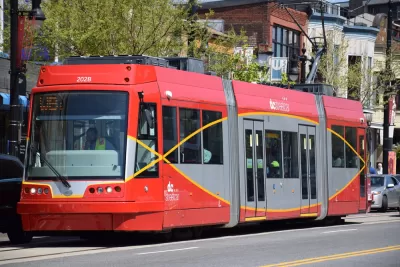
"DC’s two-mile streetcar route overlaps two popular Metrobus lines, the X2 and X9, and when the streetcar started some wondered whether it would poach those lines’ riders," writes Bryan Rodda to build tension for the big reval. That is, "it turns out overall transit ridership along the H Street/Benning Road corridor is up 15% since February."
The WMATA revealed the data on the streetcar and the bus lines in a blog post on December 12, finding that the streetcar had not cannibalized the bus routes it shares the street with for two miles along H Street. "The result is an increase in total transit use of the bus lines and streetcar combined, not a substitution of one service for another," explains Rodda. "Boardings along the H Street-Benning Road corridor now approach 17,000 per day."
The D.C. Streetcar opened in February, earning positive ridership reviews in August—those accomplishments after years of being called a boondoggle, "worse than nothing," and slower than walking.
Read the full story: DC Streetcar ridership is growing, and people are still riding the X2 and X9 buses, too
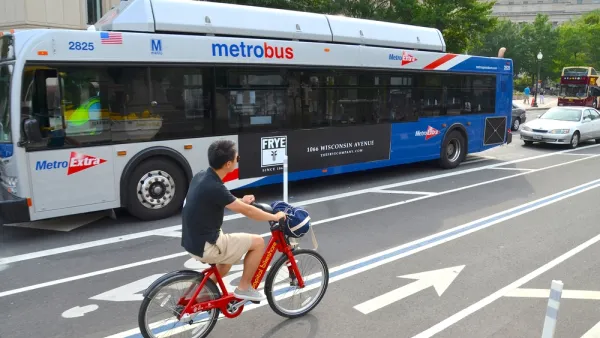
Report Lays Out a New Path for Bus Service in the D.C. Region
Ridership on the WMATA bus system, down an estimated 13 percent between 2012 and 2017, will need drastic innovations to reverse, according to a new report by the Bus Transformation project.
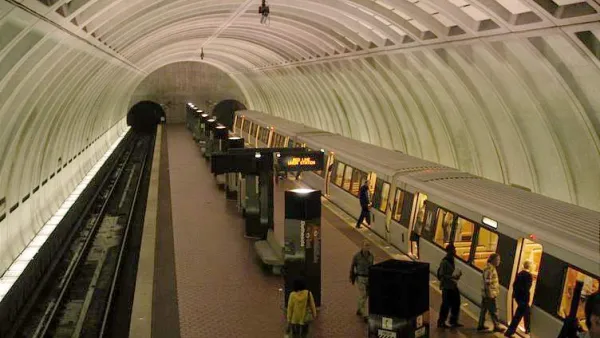
Density Increases Near Transit Station in D.C. But Ridership Does Not
D.C.'s ridership is down even as density around stations is up. More residents are choosing to drive or bike.
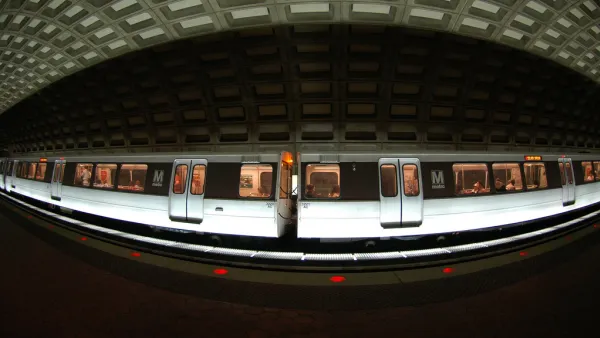
D.C. Metro Will End Late-Night Rail Service for Two Years
A tough decision that has been on the table since the summer has now been made official by the WMATA's board of directors.

Planetizen Federal Action Tracker
A weekly monitor of how Trump’s orders and actions are impacting planners and planning in America.

Eastern Nebraska is running out of electricity
Data centers and electrification are straining eastern Nebraska’s grid, throttling economic development.

Move over, LA: St. Louis gears up for Olympics, invests millions in downtown redevelopment
The Missouri city will host the 2028 Olympic soccer group stage and knockout matches.

Dallas releases zoning code overhaul to officials
The drafted overhaul is over 400 pages long.

NYC renovations for dangerous, ‘mercilessly crammed’ street delayed until 2027
Construction was supposed to begin this fall.

San Diego’s Midway Rising project gets greenlight from city council
The project looks to become the largest affordable housing development in California's history.

FREE Course: Walkable City 1: Why Walkability?
After describing his path towards focusing on walkability as the essence of good planning, Jeff Speck marches through his five principal reasons for making more walkable places.
Reinventing Malls: Planning Alchemy—Turning Gray Fields Into Gold
The course focuses on the opportunities and imperatives that shape reinvention of mall sites.

City of Rosemead
Rutgers University, Edward J. Bloustein School of Planning and Public Policy
One Hundred Miles
University of Michigan School for Environment and Sustainability (SEAS)
Hunter College, City University of New York (CUNY)
The Architects Foundation
City of Cambridge
The Pocatello Development Authority
The Urban Renewal Agency of the City of Pocatello