The train ride from Summit, New Jersey to Penn Station takes 45 minutes. The real problem: getting to the train. By subsidizing Uber rides to and from the local station, the town hopes to avoid building another expensive parking lot.


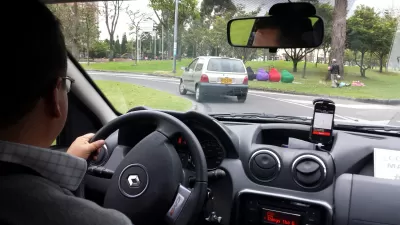
Solving the first mile-last mile problem has long occupied a top spot on transit planners' to-do lists. How can we increase transit use by making it easier for people to get from their homes to the nearest station?
The question may have less to do with boosting transit and more to do with making commuters' lives easier.
In the town of Summit, New Jersey, commuters who take the train to New York City can't find anywhere to park their cars for the day. From Priya Anand's piece: "Commuters buy parking permits, but are not assigned spaces, and often waste 15 to 20 minutes prowling for a spot in the morning [...] But building a new parking lot to address commuter demand would be a long-term, multimillion-dollar endeavor."
One answer: subsidize Uber rides to and from the station. "Priced at $2 each way, the rides would cost commuters the same as an all-day parking permit. The deal would reduce demand for Summit's hard-to-come-by parking spaces and create a steady pool of demand for Uber."
Clearly interested in extending its service to car-dependent suburbanites, Uber has agreed to a six-month pilot program serving 100 residents. Summit's city administrator estimates that the program would only cost about $167,000 per year, a tiny fraction of what it would take to install parking.
To be fair, "Summit is about 6 square miles, which keeps ride-hail fares within its boundaries relatively inexpensive." And far more than 100 residents may eventually want to use the program. But Uber has plenty of reasons to make this kind of initiative work: not only does rideshare fully enter the suburbs; daily commuters also offer steady business, unlike weekend partygoers, occasional visitors, and other Uber staple clients.
FULL STORY: How Uber Plans To Conquer The Suburbs

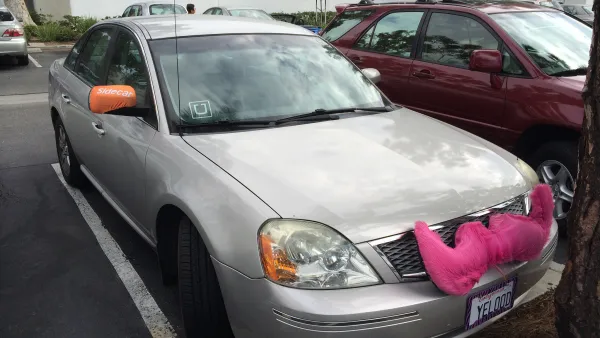
Study: Ride-Sharing Increases Urban Congestion
New research shows that ride sharing contributes to increased congestion and decreased transit ridership.
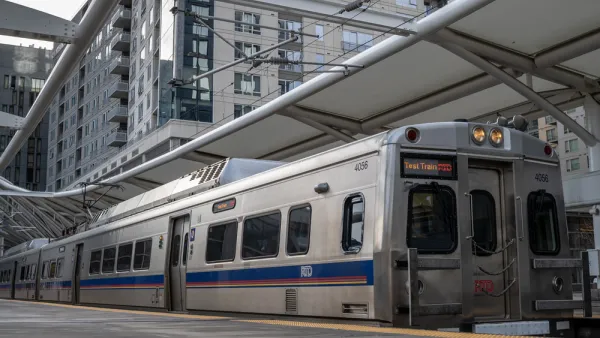
Uber Says Denver Transit Riders Are Buying Tickets Through Its App
Denver travelers can now access transit schedules and purchase tickets through the Uber app. Uber says increased ticket sales show that integrating rideshare and transit makes sense.
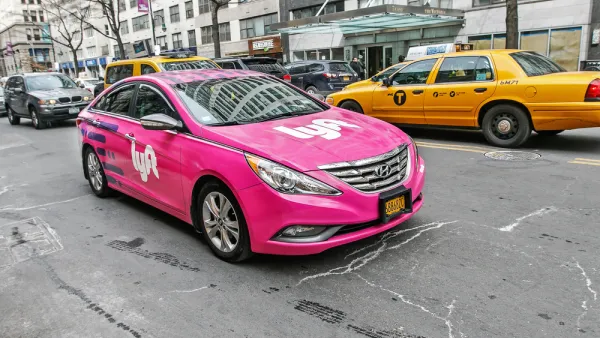
Opinion: California Needs to Close Gig Economy Loopholes
A state bill would force gig companies to treat workers fairly and would stanch the flow of subsidies that keep customer costs artificially low.

Planetizen Federal Action Tracker
A weekly monitor of how Trump’s orders and actions are impacting planners and planning in America.

The state-sanctioned urbicide of Austin
People don’t kill cities. Freeways do.

US to reduce Colorado River water deliveries to Mexico
A new Colorado Treaty amendment reduces Mexico’s Colorado River water allocation by 250,000 acre feet.

5 New England states march closer to 800 megawatt wind energy project
Securing federal approval for the project may be complicated under the Trump administration, which has historically been hostile towards domestic wind power.

Baltimore to break ground on $50 million Transit Priority Project
The project will bring faster bus trips, safer streets and better bike connections to Baltimore.

Airbnb launches $250 million 'last-dollar financing' housing accelerator, makes first investment in Austin
The company will put $6.4 million towards affordable housing development in Texas’ capital.

FREE Course: Walkable City 1: Why Walkability?
After describing his path towards focusing on walkability as the essence of good planning, Jeff Speck marches through his five principal reasons for making more walkable places.
Reinventing Malls: Planning Alchemy—Turning Gray Fields Into Gold
The course focuses on the opportunities and imperatives that shape reinvention of mall sites.

.jpg)
Eagle County Government
Harvard University Graduate School of Design
Nashville Planning Department
The Architects Foundation
University of Cincinnati Online
The Pocatello Development Authority
The Urban Renewal Agency of the City of Pocatello
Journal of the American Planning Association