You read that right, Sweden's trash problem is that it doesn't have enough of it. Due to a spectacularly successful rate of recycling, the country doesn't have enough garbage to power its waste-to-energy program. It's solution: import trash.


Ariel Schwartz describes the lengths the Scandinavian country is going to feed its waste incineration program [PDF], "which began in the 1940s, treats over 2 million tons of waste each year, [and] heats 810,000 homes." Because Swedes recycle an astonishing 96 percent of their trash (compared to 34 percent in America), the country is now importing trash from its neighbors (including Norway, and potentially, Italy), to the tune of 800,000 tons annually.
"One day, perhaps Italy, Norway, and other countries will realize that
they're actually giving away a precious energy resource," says Schwartz. "Until then,
Sweden is happy to be the garbage man of Europe."
Read the full story: Sweden Needs More Trash, Because It Has Turned All It’s Got Into Energy

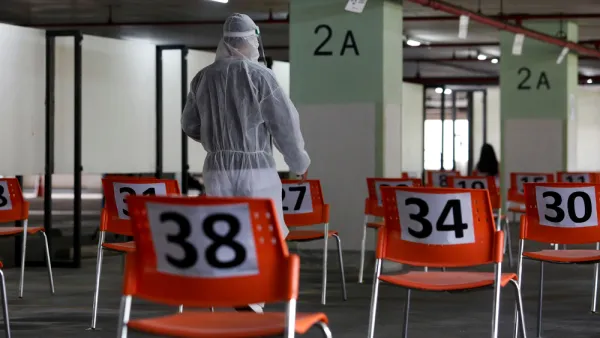
The World's Highest Rates of Coronavirus Infections and Deaths
Brazil and the U.S. lead the world in daily COVID-19 cases and deaths. Western Europe is undergoing a third wave of infections, resulting in a new round of lockdowns, yet most of these nations are not among the 12 hotspots shown on a global tracker.
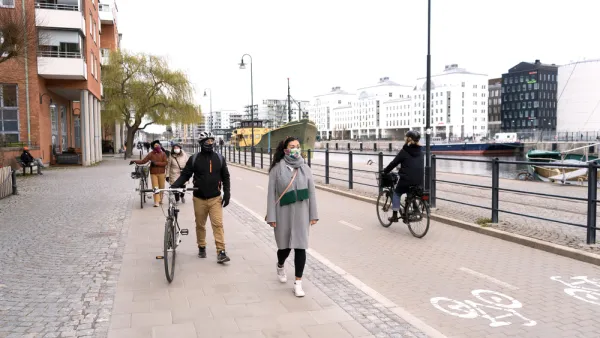
The Great Scandinavian Pandemic Experiment
Perhaps no nation has captured more media attention in its handling of the coronavirus pandemic than Sweden. Unlike most of Europe, it never went into lockdown, relying mostly on voluntary social distancing. The state epidemiologist devised the plan.
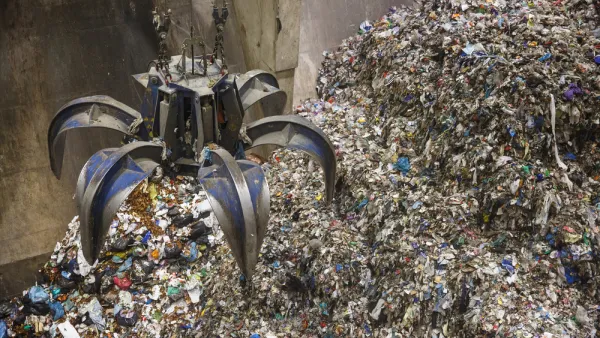
Recyclables Headed to Incinerators or Landfills
China's decision to halt imports of most recyclables from the United States has caused turmoil. With few markets for their recyclables, Philadelphia is sending half of them to a waste-to-energy incinerator in Chester not designed to burn them.

Planetizen Federal Action Tracker
A weekly monitor of how Trump’s orders and actions are impacting planners and planning in America.

Amtrak, CN end decades-long dispute with eight-year agreement
The new operating agreement establishes an updated framework for the companies to work together, including processes to resolve disputes.
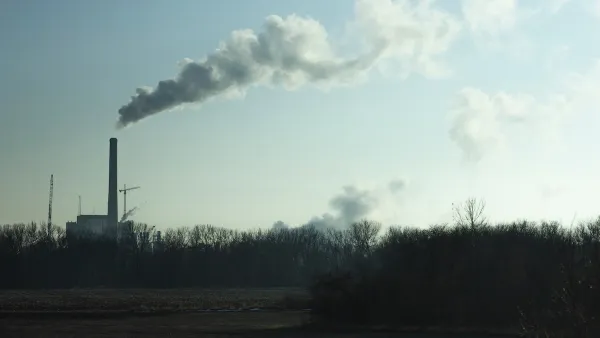
Nation's most wind-powered state turns to coal as data centers increase energy demand
For the first time in decades, Iowa has increased its generation of coal power.

Alabama scores up to $2.5 billion federal loan for largest infrastructure project in state’s history
The Mobile River Bridge and Bayway Project aims to ease congestion at Alabama’s worst bottleneck.

Trump is considering data centers on 6 states' public land — some state officials say they had no idea
If the administration approves the proposed projects, data center and data center-related developments will cover 17,600 acres of public land.

Despite court ruling, Trump is keeping nearly all wind projects in the US on hold
At least 110 wind energy projects have not heard from the government since a federal judge ruled that the Trump administration's freeze on wind turbine clearances was likely illegal.

FREE Course: Walkable City 1: Why Walkability?
After describing his path towards focusing on walkability as the essence of good planning, Jeff Speck marches through his five principal reasons for making more walkable places.
Reinventing Malls: Planning Alchemy—Turning Gray Fields Into Gold
The course focuses on the opportunities and imperatives that shape reinvention of mall sites.

KFH Group Inc.
Greater Baltimore Committee
Eagle County Government
The Architects Foundation
University of Cincinnati Online
The Pocatello Development Authority
The Urban Renewal Agency of the City of Pocatello