Seven years after the city signed its Complete Streets Policy, the city is doubling down on its efforts to eliminate traffic deaths.


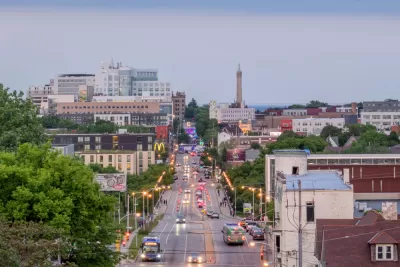
Milwaukee Mayor Cavalier Johnson announced a new Vision Zero action plan for the city, which has seen a 7 percent decline in traffic deaths between 2023 and 2024.
As Jeramey Jannene reports in Urban Milwaukee, “The new action plan, unanimously adopted by the Common Council last week, includes seven strategies: build safe streets for all users by prioritizing the most dangerous roads; supporting accountability in the justice system; supporting vibrant, people-centered places; promoting traffic safety through communication and education; ensuring timely and effective EMS and medical care advocacy for safer vehicles; and champion and advocate for state-level changes to laws and practices.”
According to the mayor, the city is “redesigning 9% of the streets where 59% of the serious crashes happen,” using tax increment financing to build better bike infrastructure, and evaluating its licensing system to keep dangerous drivers off the streets. Johnson also said the city has equipped fire stations with whole blood to enable EMTs to save lives and treat patients faster when crashes happen.
FULL STORY: Can Milwaukee Achieve Zero Traffic Deaths?

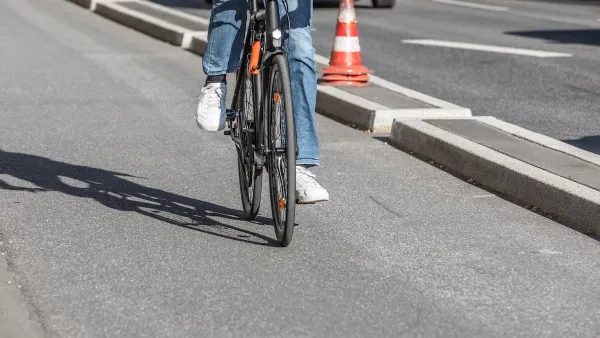
Southeast LA Road Safety Advocates Call for Improved Infrastructure
Streets in southeastern Los Angeles County have a severe lack of protected bike lanes and traffic safety measures, leading to high numbers of fatalities in a community where many residents depend on walking and biking for daily needs.
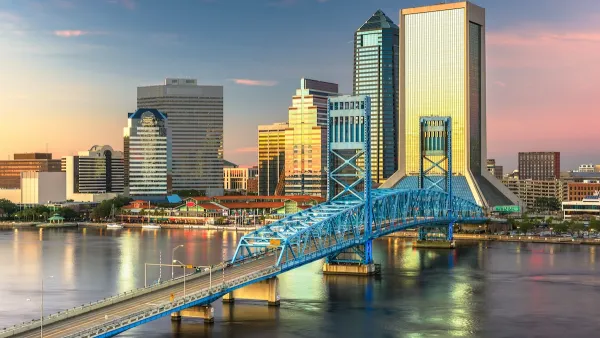
Jacksonville Takes Action on Vision Zero
The city is implementing its first-ever Vision Zero Action Plan in an effort to reduce pedestrian and cyclist deaths and serious injuries.
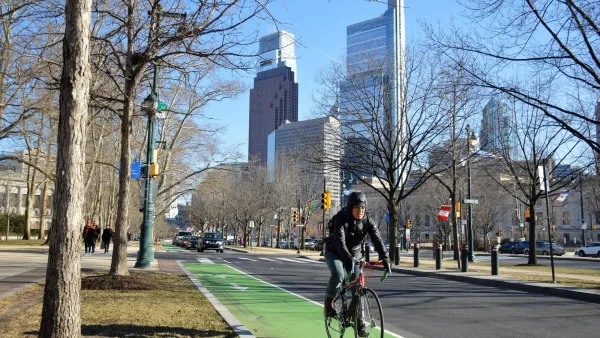
Philly Road Safety Advocates Call for Action From the City
Mayor Parker’s administration is proposing massive cuts to the city’s Vision Zero program while pedestrian and cyclist deaths remain high.

The state-sanctioned urbicide of Austin
People don’t kill cities. Freeways do.

US to reduce Colorado River water deliveries to Mexico
A new Colorado Treaty amendment reduces Mexico’s Colorado River water allocation by 250,000 acre feet.

New Jersey’s second-largest city bans standalone data centers
Jersey City will continue to allow co-location facilities, such as those meant for research institutions that store their own data.

Amtrak not solely to blame for New Jersey commuter rail's unreliability, report finds
A new study from the Garden State Initiative found that NJ Transit’s budget grew 20% across a 4 year period, but reliability declined significantly over the same period.

EPA erases limits on planet-warming pollution from power plants
Under Monday’s plan, power plants would still have some limits on how much mercury, arsenic and other contaminants they can emit.

Phoenix announces new on-demand transit service, more frequent RAPID buses
Both new services will launch in October, and are part of Phoenix's Project Effective Access Solutions for Easing Congestion.

FREE Course: Walkable City 1: Why Walkability?
After describing his path towards focusing on walkability as the essence of good planning, Jeff Speck marches through his five principal reasons for making more walkable places.
Reinventing Malls: Planning Alchemy—Turning Gray Fields Into Gold
The course focuses on the opportunities and imperatives that shape reinvention of mall sites.

Eagle County Government
Harvard University Graduate School of Design
Nashville Planning Department
The Architects Foundation
University of Cincinnati Online
The Pocatello Development Authority
The Urban Renewal Agency of the City of Pocatello
Journal of the American Planning Association