According to one local official, Dallas projects routinely build 20 to 30 percent more parking than they need, driving up the cost of housing and leading to unsustainable land use patterns.


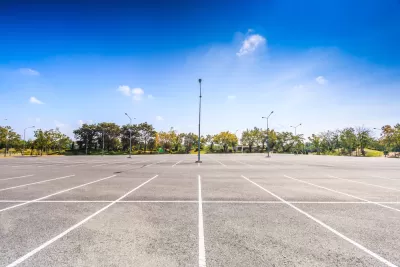
Dallas density advocates are continuing the fight to eliminate off-street minimum parking requirements in an effort to reorient their land use to denser, more walkable patterns and reduce the cost of housing in the Texas city.
As Andrew Terrell reports in The Real Deal, the proposal is supported by some local officials such as District 10 City Plan Commission member James Housewright, who said the city “consistently” builds 20 to 30 percent more parking than is actually needed. “This amended ordinance has the potential to do more good for the city in terms of land use and urban design than anything else we’ll do.”
According to Terrell, “If approved, the proposal would not reduce parking for existing developments, but it would grant developers flexibility for future projects. Larger developments would require submission of transportation demand management plans to incentivize reduction of single-occupant vehicle trips.”
FULL STORY: Car-loving Dallas could eliminate developer parking minimums

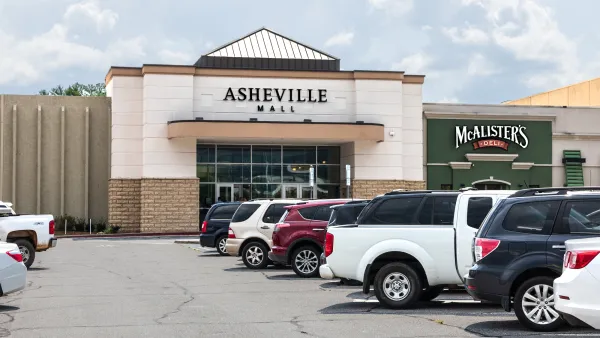
Asheville reconsiders parking minimums as surface parking eats up over a third of downtown real estate
Housing advocates say parking requirements are unnecessary and induce sprawl.
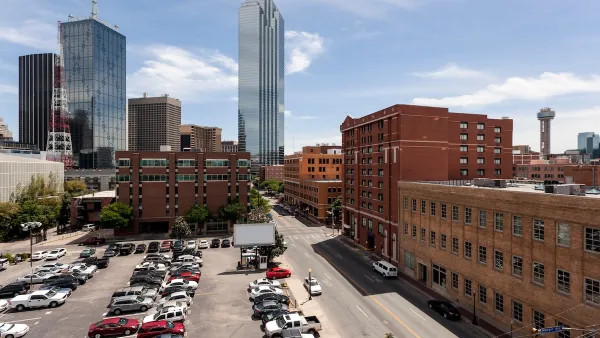
Dallas Ditches Parking Minimums in 14-1 Vote
The sweeping city council decision removes set parking requirements from developments downtown, near transit, small businesses and more.
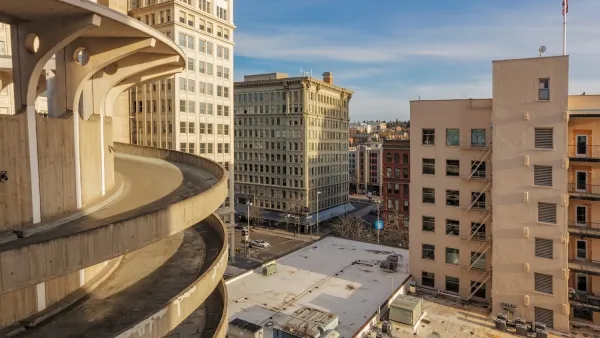
Washington State Legislature Passes Parking Reform Bill
A bill that would limit parking requirements for new developments is headed to the governor’s desk.

The state-sanctioned urbicide of Austin
People don’t kill cities. Freeways do.

US to reduce Colorado River water deliveries to Mexico
A new Colorado Treaty amendment reduces Mexico’s Colorado River water allocation by 250,000 acre feet.

New Jersey’s second-largest city bans standalone data centers
Jersey City will continue to allow co-location facilities, such as those meant for research institutions that store their own data.

Amtrak not solely to blame for New Jersey commuter rail's unreliability, report finds
A new study from the Garden State Initiative found that NJ Transit’s budget grew 20% across a 4 year period, but reliability declined significantly over the same period.

EPA erases limits on planet-warming pollution from power plants
Under Monday’s plan, power plants would still have some limits on how much mercury, arsenic and other contaminants they can emit.

Phoenix announces new on-demand transit service, more frequent RAPID buses
Both new services will launch in October, and are part of Phoenix's Project Effective Access Solutions for Easing Congestion.

FREE Course: Walkable City 1: Why Walkability?
After describing his path towards focusing on walkability as the essence of good planning, Jeff Speck marches through his five principal reasons for making more walkable places.
Reinventing Malls: Planning Alchemy—Turning Gray Fields Into Gold
The course focuses on the opportunities and imperatives that shape reinvention of mall sites.

Eagle County Government
Harvard University Graduate School of Design
Nashville Planning Department
The Architects Foundation
University of Cincinnati Online
The Pocatello Development Authority
The Urban Renewal Agency of the City of Pocatello
Journal of the American Planning Association