Mayor Lurie is using ‘family zoning’ to encourage denser development and upzoning — but could the concept actually foster community and more human-scale public spaces?


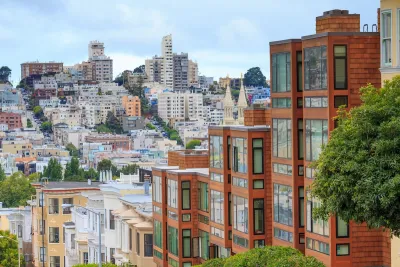
In an opinion piece in The San Francisco Standard, Thomas Goetz calls on readers to take San Francisco Mayor Dan Lurie’s “family zoning” proposal literally.
Acknowledging that the proposal may be purely “verbal window-dressing to pave the way for dense upzoning and extensive development,” Goetz argues that “family zoning” could mean something else entirely.
The “family zoning” concept offers a way to say yes to a whole new vision of healthy housing. We need a smart mix of retail, office, housing, and parks to create the sorts of neighborhoods that encourage walking to the store and bumping into your neighbors. Healthy housing also means more than parks or exercise equipment. We need spaces that foster socializing and fun almost by accident.
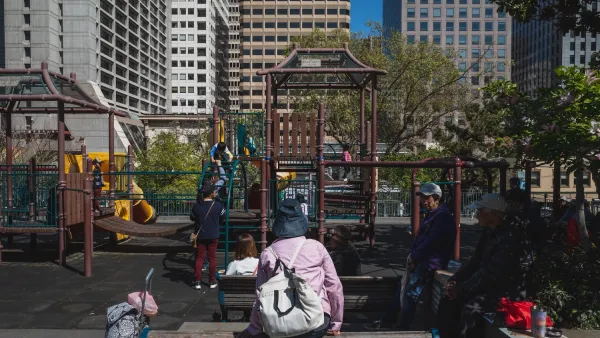
Goetz proposes the creation of “loose-use” spaces, “flexible areas where people of all ages can do things like cook, play games, exercise, and relax.” Examples of “low-cost, high-use spaces” that the city could incentivize, Goetz writes, include: free-play spaces that can be used for a variety of sports and activities, fitness circuits, flexible co-working and general hangout spaces, communal cookout areas, and libraries for tools and other households needs.
According to Goetz, “Amenities like these can be built into new buildings or incorporated into existing fallow space in ‘family-zoned’ neighborhoods. Where possible, the city could ensure that parklets provide more than just restaurant seating, and turn other public-space niches into active-use areas. The city could offer tax incentives to developers to carve out more shared space that fosters healthier behaviors.”
FULL STORY: ‘Family zoning’ may be a euphemism. It’s also a great idea

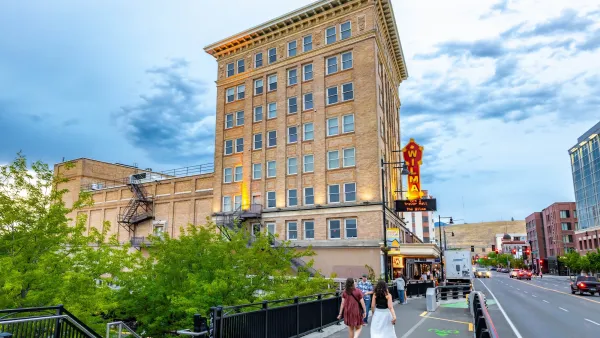
Missoula Approves Zoning Reform Emphasizing More Diverse Housing, Walkability
The city’s new zoning code, map, and development standards will guide more expansive housing options and improved walkability.
Report Shows San Francisco’s ‘Family Zoning’ Plan Would Produce Less Than Half of Needed Housing Units
The city’s economic analysis reveals that a rezoning proposal would yield from 8,504 to 14,646 units, well below the number required by the state.

‘Grand Boulevards’ Could Ease Housing Crisis
A prominent urbanist argues that redeveloping commercial corridors with denser housing could bridge the gap between the housing supply and demand.

Planetizen Federal Action Tracker
A weekly monitor of how Trump’s orders and actions are impacting planners and planning in America.

The state-sanctioned urbicide of Austin
People don’t kill cities. Freeways do.

US to reduce Colorado River water deliveries to Mexico
A new Colorado Treaty amendment reduces Mexico’s Colorado River water allocation by 250,000 acre feet.

Baltimore to break ground on $50 million Transit Priority Project
The project will bring faster bus trips, safer streets and better bike connections to Baltimore.

Airbnb launches $250 million 'last-dollar financing' housing accelerator, makes first investment in Austin
The company will put $6.4 million towards affordable housing development in Texas’ capital.

Guerilla urbanists are building DIY bus stop benches in Chicago
A before-and-after of one of the bus stops with a new bench. The new benches are not officially sanctioned or permitted, but the residents who placed them hope they will be the start of a network of DIY benches across the city.

FREE Course: Walkable City 1: Why Walkability?
After describing his path towards focusing on walkability as the essence of good planning, Jeff Speck marches through his five principal reasons for making more walkable places.
Reinventing Malls: Planning Alchemy—Turning Gray Fields Into Gold
The course focuses on the opportunities and imperatives that shape reinvention of mall sites.

Eagle County Government
Harvard University Graduate School of Design
Nashville Planning Department
The Architects Foundation
University of Cincinnati Online
The Pocatello Development Authority
The Urban Renewal Agency of the City of Pocatello
Journal of the American Planning Association