The city is making slow but steady progress on reducing traffic deaths. Some advocates say changes aren’t being implemented fast enough to save lives.


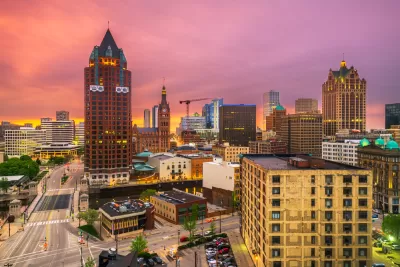
An article by Chuck Quirmbach for WUWM looks at the progress Milwaukee is making on its Vision Zero goals, which purport to eliminate traffic deaths by 2037. “Officials say the city is on a path for a lower number of transportation-related deaths this year — the projection is 77, compared to the 87 deaths of 2022.”
Quirmbach outlines the efforts the city is making to implement traffic calming and improve infrastructure for pedestrians and cyclists on some of the city’s roads, but some of the changes are met with the usual backlash. Challenges to road safety include larger vehicles, speeding—and road design that encourages speeding—and a lack of urgency on the part of the city to make improvements on the most dangerous streets.
“Direct federal grants and federal money steered to Milwaukee by state government are providing several million dollars to make the changes.”
FULL STORY: Vision Zero starts to change Milwaukee streets, but will it change drivers' behavior?

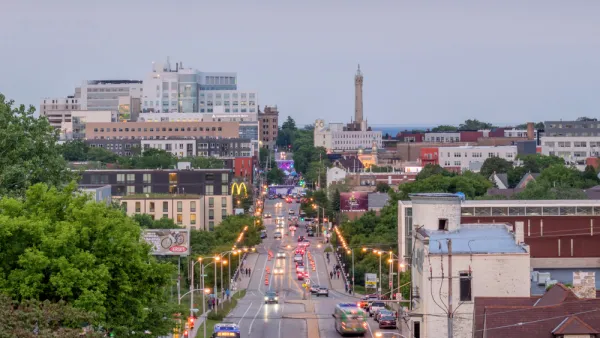
Milwaukee Launches Vision Zero Plan
Seven years after the city signed its Complete Streets Policy, the city is doubling down on its efforts to eliminate traffic deaths.
Milwaukee Announces 60 Traffic Calming Projects for 2025
The city has successfully reduced traffic deaths and aims to eliminate them completely within the next decade.
Traffic Safety Efforts Chug Ahead — Too Slowly for Some
Around the United States, traffic deaths are growing or plateauing, yet efforts to make roads safer still face political opposition.

Planetizen Federal Action Tracker
A weekly monitor of how Trump’s orders and actions are impacting planners and planning in America.

The state-sanctioned urbicide of Austin
People don’t kill cities. Freeways do.

US to reduce Colorado River water deliveries to Mexico
A new Colorado Treaty amendment reduces Mexico’s Colorado River water allocation by 250,000 acre feet.

5 New England states march closer to 800 megawatt wind energy project
Securing federal approval for the project may be complicated under the Trump administration, which has historically been hostile towards domestic wind power.

Baltimore to break ground on $50 million Transit Priority Project
The project will bring faster bus trips, safer streets and better bike connections to Baltimore.

Airbnb launches $250 million 'last-dollar financing' housing accelerator, makes first investment in Austin
The company will put $6.4 million towards affordable housing development in Texas’ capital.

FREE Course: Walkable City 1: Why Walkability?
After describing his path towards focusing on walkability as the essence of good planning, Jeff Speck marches through his five principal reasons for making more walkable places.
Reinventing Malls: Planning Alchemy—Turning Gray Fields Into Gold
The course focuses on the opportunities and imperatives that shape reinvention of mall sites.

Eagle County Government
Harvard University Graduate School of Design
Nashville Planning Department
The Architects Foundation
University of Cincinnati Online
The Pocatello Development Authority
The Urban Renewal Agency of the City of Pocatello
Journal of the American Planning Association