Climate change is coming for the state of Florida, and it’s already showing up in the insurance market.


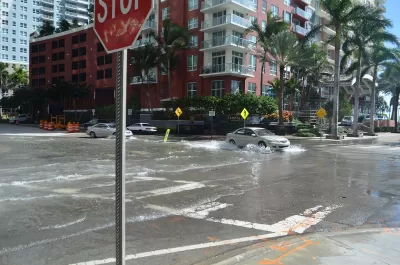
“As Florida’s property insurance market continues to buckle, thousands of homeowners across the state are increasingly choosing to forgo insurance, sell their homes or even leave Florida,” reports Mary Ellen Klas for the Miami Herald.
Tasha Carter, Florida’s insurance consumer advocate, is cited in the article issuing the warning about the increasing costs of climate change mitigation for Florida residents—and its increasing likelihood to drive out-migration from risky locations around the state.
Carter issued the warning as the state’s legislators gathered for a special session likely to increase insurance rates to stabilize the market.
“Florida’s property insurance market has seen double-digit percentage increases for the past few years,” according to the article. Rep. Tom Leek, an Ormond Beach Republican who is sponsoring the House insurance proposal, is quoted in the article explaining the intended goal of the special session.
“He said the package of proposals — to reduce the financial incentives for attorneys to file lawsuits against insurers, give homeowners less time to file a claim and create a $1 billion taxpayer-funded program to provide backup insurance for struggling insurers — will eventually lead to lower property insurance premiums,” writes Klas.
Meanwhile, the state’s governor remains committed to subsidizing behaviors that emit the most greenhouse gases.
Another Miami Herald article by Nicolas Rivero, published a few days later, also reveals the increasing demand for another form of protection—water pumps.
“[P]umps are an integral part of plans to help save South Florida from flooding. Thanks to climate change, stormwater systems here — and around the world — are coming under growing strain. In some cases, they’re starting to fail,” according to Rivero.
Despite Carter’s warning about residents leaving the state and the increasing cost of home insurance and mitigation measures in the state, Florida’s population growth led the nation in 2022.
FULL STORY: https://www.miamiherald.com/news/politics-government/state-politics/article269954162.html#storylink=cpy

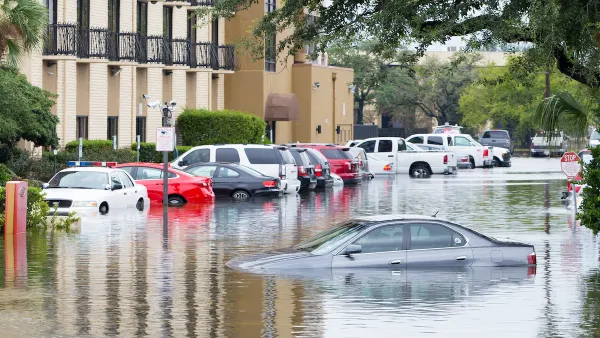
Migration to Disaster-Prone Areas Persists
Regions at high risk for flooding, wildfires, and other climate-fueled disasters continue to see rapid population growth.
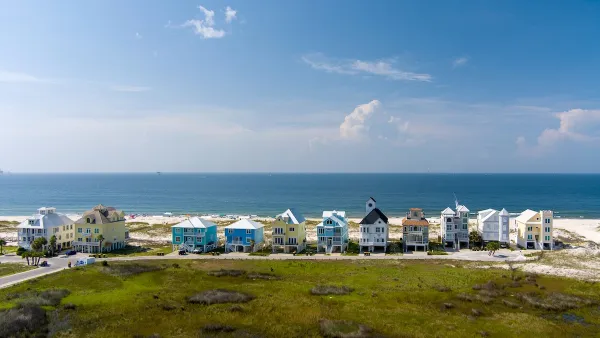
Alabama Funds Roof Replacements to Stave off Insurance Crisis
The Fortified roof program is helping tens of thousands of homeowners make their homes more resilient against hurricane damage.
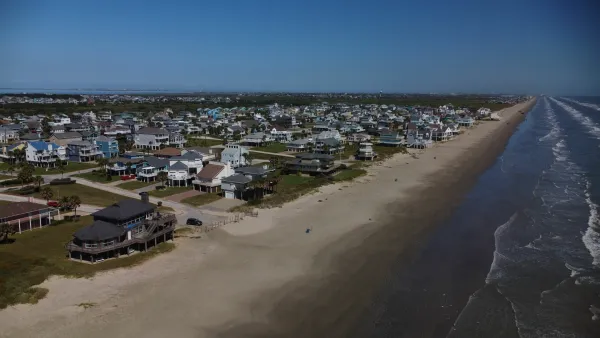
Looking for a Beach House? Check Your Risk First.
A new report from the insurance industry names the historic town of Galveston, Texas as the riskiest place to buy a beach house in the United States.

The state-sanctioned urbicide of Austin
People don’t kill cities. Freeways do.

US to reduce Colorado River water deliveries to Mexico
A new Colorado Treaty amendment reduces Mexico’s Colorado River water allocation by 250,000 acre feet.

New Jersey’s second-largest city bans standalone data centers
Jersey City will continue to allow co-location facilities, such as those meant for research institutions that store their own data.

Amtrak not solely to blame for New Jersey commuter rail's unreliability, report finds
A new study from the Garden State Initiative found that NJ Transit’s budget grew 20% across a 4 year period, but reliability declined significantly over the same period.

EPA erases limits on planet-warming pollution from power plants
Under Monday’s plan, power plants would still have some limits on how much mercury, arsenic and other contaminants they can emit.

Phoenix announces new on-demand transit service, more frequent RAPID buses
Both new services will launch in October, and are part of Phoenix's Project Effective Access Solutions for Easing Congestion.

FREE Course: Walkable City 1: Why Walkability?
After describing his path towards focusing on walkability as the essence of good planning, Jeff Speck marches through his five principal reasons for making more walkable places.
Reinventing Malls: Planning Alchemy—Turning Gray Fields Into Gold
The course focuses on the opportunities and imperatives that shape reinvention of mall sites.


Eagle County Government
Harvard University Graduate School of Design
Nashville Planning Department
The Architects Foundation
University of Cincinnati Online
The Pocatello Development Authority
The Urban Renewal Agency of the City of Pocatello
Journal of the American Planning Association