U.S. traffic fatalities hit a twenty-year peak in the first quarter of 2022.


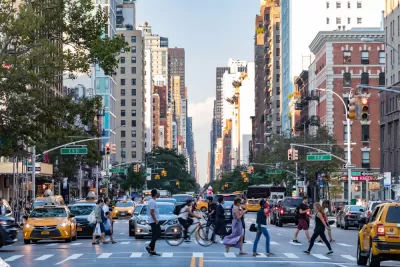
The first quarter of 2022 saw the highest number of traffic deaths in two decades, reports Daniel C. Vock for Route Fifty. Dashing hopes that the trend of rising fatalities would slow as the risky behaviors exacerbated by the pandemic subsided, data show that 9,540 people died on U.S. roads between January and March of 2022.
The trend isn’t uniform across the country. “The highest increases came in the mid-Atlantic region, which saw a 52% jump in deaths,” while road deaths in the far western states, the only region to see a decrease, declined by 11 percent.
According to Vock, “Safety advocates are growing increasingly frustrated that the issue has not sparked more concern – or at least a new approach – among policymakers at the federal, state and local levels.” Critics of the National Highway Traffic Safety Administration (NHTSA) say the federal agency could do more by regulating vehicle design to avoid blind spots, reining in Tesla and other carmakers who disingenuously promote autonomous features that lead to unsafe driving, and adjusting vehicle safety tests to include pedestrians and other people outside the car.
While many safety efforts focus on driver behavior, some advocates say the government should take a stronger role in regulating the vehicles and infrastructure that can help keep people safe by applying a ‘safe systems’ approach. As Jessie Singer points out in her book of the same name, “there are no accidents.” To protect citizens, the government can, as Singer puts it, “Apply a harm-reduction model to every corner of the built environment.”
FULL STORY: US Road Fatalities Soared in Early 2022

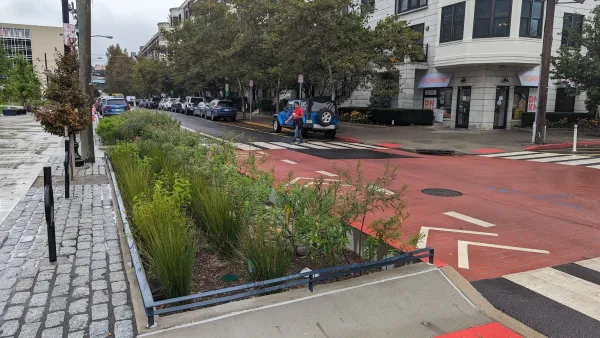
Hoboken's $20 Vision Zero fix
The New Jersey city eliminated traffic deaths for the last nine years in a row.
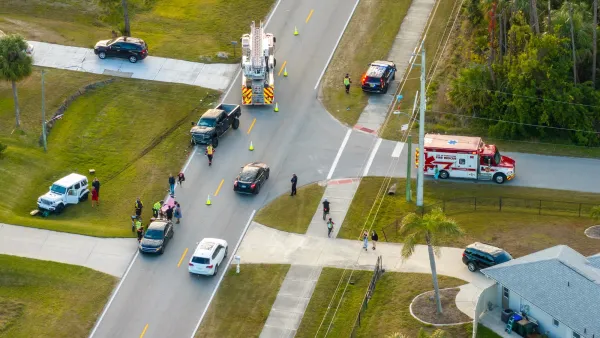
Pedestrian Deaths Fell by Largest Percentage in 15 Years, but Remain Above Pre-Pandemic Levels
After a spike in deaths during the Covid-19 years, road deaths fell to 3,024 in the first half of 2025.
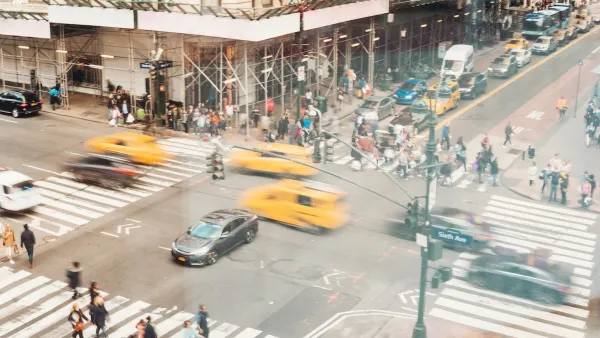
NYC Pedestrian Deaths Rose in 2024
The city’s Vision Zero efforts seem to have stalled.

Planetizen Federal Action Tracker
A weekly monitor of how Trump’s orders and actions are impacting planners and planning in America.

The state-sanctioned urbicide of Austin
People don’t kill cities. Freeways do.

US to reduce Colorado River water deliveries to Mexico
A new Colorado Treaty amendment reduces Mexico’s Colorado River water allocation by 250,000 acre feet.

Mamdani overhauls NYC's Vision Zero plan with 100 new policy goals
The overhaul aims to reduce traffic deaths and make streets safer for pedestrians, cyclists and drivers through lower speed limits, new safety infrastructure and more.

Amtrak not solely to blame for New Jersey commuter rail's unreliability, report finds
A new study from the Garden State Initiative found that NJ Transit’s budget grew 20% across a 4 year period, but reliability declined significantly over the same period.

EPA erases limits on planet-warming pollution from power plants
Under Monday’s plan, power plants would still have some limits on how much mercury, arsenic and other contaminants they can emit.

FREE Course: Walkable City 1: Why Walkability?
After describing his path towards focusing on walkability as the essence of good planning, Jeff Speck marches through his five principal reasons for making more walkable places.
Reinventing Malls: Planning Alchemy—Turning Gray Fields Into Gold
The course focuses on the opportunities and imperatives that shape reinvention of mall sites.

Eagle County Government
Harvard University Graduate School of Design
Nashville Planning Department
The Architects Foundation
University of Cincinnati Online
The Pocatello Development Authority
The Urban Renewal Agency of the City of Pocatello
Journal of the American Planning Association