Experts from the National Association of City Transportation Officials (NACTO) present four steps for reducing the number of pedestrians killed by drivers.


As a supplement to the “Dangerous by Design 2022” report, published in July by Smart Growth America, Alex Engel and Kate Fillin-Yeh provide a playbook for reducing the unnecessary levels of carnage on U.S. streets and roads.
The four steps recommended by Engel, senior manager of communications for NACTO, and Fillin-Yeh, director of strategy for NACTO, include the following, with a lot more specifics and examples provided in the source article, published by Smart Growth America:
- Analyze where the worst streets are and who needs to be in the room for change.
- Reset speed limits to be compatible with human life.
- Use proven street designs that save lives and make places more vibrant.
- Document results, iterate, and share them out.
As documented by the report, and noted at the outset of the article, “More than 6,500 people were struck and killed while walking in 2020, a 4.7 percent increase over 2019, even as driving decreased overall because of the pandemic’s unprecedented disruptions to travel behavior.”
FULL STORY: How to redesign your city’s most dangerous streets to save the most lives

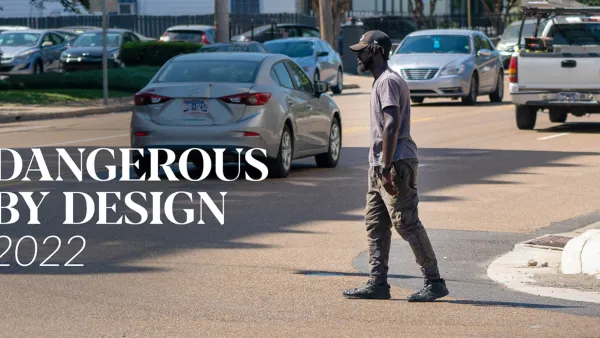
Dangerous By Design: 2022 Report Analyzes Rising Pedestrian Deaths
The report ranks the most dangerous states and metro areas for pedestrians, who died at higher rates during the pandemic despite reduced driving.
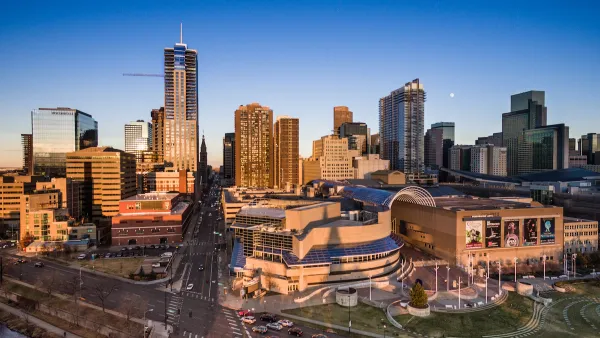
Denver Road Fatalities at Record High in 2023
The city says it is accelerating its Vision Zero initiative to improve road safety for pedestrians and vulnerable road users.
For Transportation Justice, Auto Safety Must Protect People Outside the Car
Light trucks are killing more pedestrians than ever while keeping their drivers and passengers safer. Is it time to reframe safety regulations?

The state-sanctioned urbicide of Austin
People don’t kill cities. Freeways do.

US to reduce Colorado River water deliveries to Mexico
A new Colorado Treaty amendment reduces Mexico’s Colorado River water allocation by 250,000 acre feet.

New Jersey’s second-largest city bans standalone data centers
Jersey City will continue to allow co-location facilities, such as those meant for research institutions that store their own data.

Amtrak not solely to blame for New Jersey commuter rail's unreliability, report finds
A new study from the Garden State Initiative found that NJ Transit’s budget grew 20% across a 4 year period, but reliability declined significantly over the same period.

EPA erases limits on planet-warming pollution from power plants
Under Monday’s plan, power plants would still have some limits on how much mercury, arsenic and other contaminants they can emit.

Phoenix announces new on-demand transit service, more frequent RAPID buses
Both new services will launch in October, and are part of Phoenix's Project Effective Access Solutions for Easing Congestion.

FREE Course: Walkable City 1: Why Walkability?
After describing his path towards focusing on walkability as the essence of good planning, Jeff Speck marches through his five principal reasons for making more walkable places.
Reinventing Malls: Planning Alchemy—Turning Gray Fields Into Gold
The course focuses on the opportunities and imperatives that shape reinvention of mall sites.

Eagle County Government
Harvard University Graduate School of Design
Nashville Planning Department
The Architects Foundation
University of Cincinnati Online
The Pocatello Development Authority
The Urban Renewal Agency of the City of Pocatello
Journal of the American Planning Association