State and local agencies would be tasked with evaluating and offsetting the carbon emissions caused by new transportation projects.


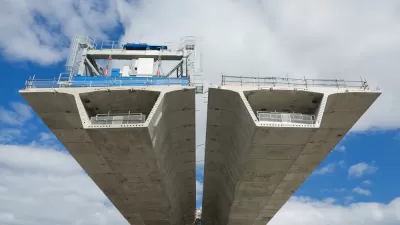
Under a draft rule proposed by Colorado's Department of Transportation, "state and local governments would need to consider, measure and potentially offset the climate-warming effects of transportation projects," reports Nathaniel Minor. "If the total emissions do not fit within a set budget, the releases would have to be offset through cleaner projects like new transit service, bicycle and pedestrian infrastructure, and local zoning decisions that result in more density."
In response, "[t]wo environmental groups cautiously lauded the proposed rule and said it comes at a crucial time for the state transportation agency." But the rule "could cause some friction between local governments that want certain projects built and the state, which would be in the position of enforcing the emissions budgets." Some critics worry that delaying road expansion projects "just keeps more cars on the road," but research consistently suggests that expanded roads encourage more drivers to use them.
"The state Transportation Commission will consider public comments on the proposed rule through Oct. 15 before voting at its November meeting."
FULL STORY: A Proposed Rule Would Target Colorado’s Polluting Road Projects

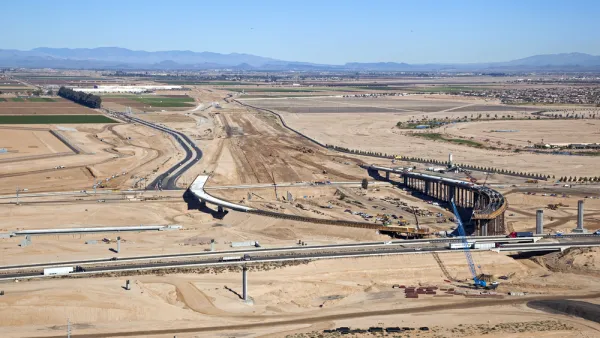
Infrastructure Funding Could Lead to Higher Carbon Emissions
Billions in federal infrastructure funding slated to go to states with few strings attached could fund roadway construction and widening projects that will raise greenhouse gas emissions and worsen climate change.
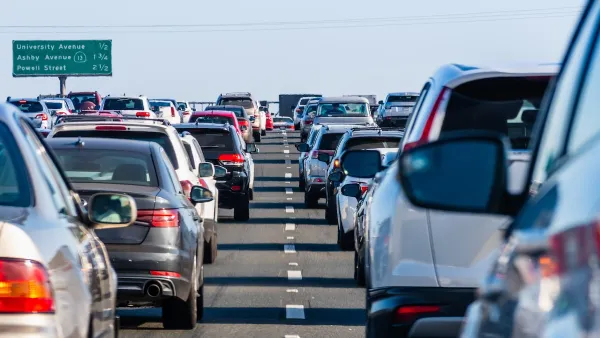
States Claim Highway Expansions Reduce Emissions
The argument is being used to channel climate funding to projects that expand automobile infrastructure, according to an analysis from Transportation for America.
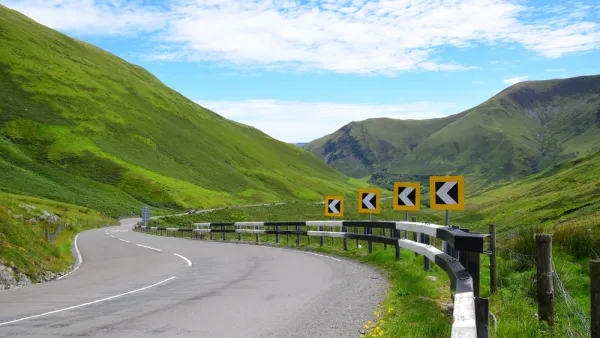
Wales Cancels Major Road Building Projects
All road building and expansion projects are halted until they can pass strict new environmental requirements.

The state-sanctioned urbicide of Austin
People don’t kill cities. Freeways do.

US to reduce Colorado River water deliveries to Mexico
A new Colorado Treaty amendment reduces Mexico’s Colorado River water allocation by 250,000 acre feet.

New Jersey’s second-largest city bans standalone data centers
Jersey City will continue to allow co-location facilities, such as those meant for research institutions that store their own data.

Amtrak not solely to blame for New Jersey commuter rail's unreliability, report finds
A new study from the Garden State Initiative found that NJ Transit’s budget grew 20% across a 4 year period, but reliability declined significantly over the same period.

EPA erases limits on planet-warming pollution from power plants
Under Monday’s plan, power plants would still have some limits on how much mercury, arsenic and other contaminants they can emit.

Phoenix announces new on-demand transit service, more frequent RAPID buses
Both new services will launch in October, and are part of Phoenix's Project Effective Access Solutions for Easing Congestion.

FREE Course: Walkable City 1: Why Walkability?
After describing his path towards focusing on walkability as the essence of good planning, Jeff Speck marches through his five principal reasons for making more walkable places.
Reinventing Malls: Planning Alchemy—Turning Gray Fields Into Gold
The course focuses on the opportunities and imperatives that shape reinvention of mall sites.

Eagle County Government
Harvard University Graduate School of Design
Nashville Planning Department
The Architects Foundation
University of Cincinnati Online
The Pocatello Development Authority
The Urban Renewal Agency of the City of Pocatello
Journal of the American Planning Association