The plan calls for safer streets, more equitable distribution of resources, and expanded community engagement.


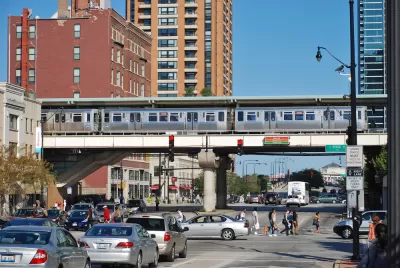
Chicago officials revealed the city's new Strategic Plan for Transportation, which they say "will help promote social equity and public safety," reports John Greenfield. According to Mayor Lori Lightfoot, the plan "will help lower the economic and environmental burden of transportation on our residents and prioritize investments in underserved communities."
Janette Sadik-Khan, former New York City transportation chief and part of the Bloomberg Associates team that assisted with the CDOT plan, said "[t]here are detailed strategies with benchmarks," calling the document "more than just a promise; it’s a detailed blueprint for getting it done."
The strategic plan includes "84 strategies and hundreds of one-to-three-year targets that CDOT says will help build safer streets; prioritize improving transportation options for residents in low-income communities; expand transit access; and provide bus lanes, bikeways, and bike-share across the entire city." City officials say "CDOT and CNT are working on a process to identify communities with the greatest economic and mobility challenges, so that these neighborhoods can be prioritized for transportation upgrades."
CDOT commissioner Gia Biagi "promised that the plan will lead to transportation projects that 'center equity,' with 'more transparency and and accountability,' and which will help to 'break the cycle of intergenerational poverty in underserved communities by connecting residents with educational and job opportunities."
FULL STORY: CDOT promises new strategic plan will center equity, help fight intergenerational poverty

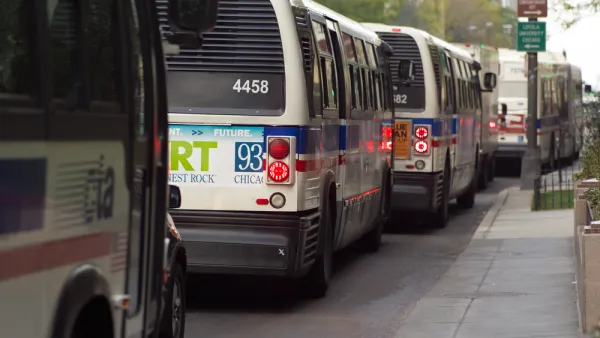
Pop-Up Bus Lanes Coming to Chicago
New pop-up bus lanes on two of the most heavily traveled bus routes in Chicago will help move essential workers more efficiently during the pandemic.
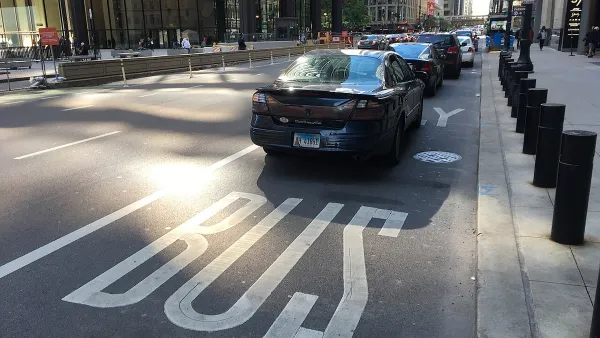
New Chicago Cameras Will Automatically Ticket Drivers Parked in Bus and Bike Lanes
The city is adding cameras to transit buses as part of a pilot program aimed at stopping drivers from blocking bus lanes.
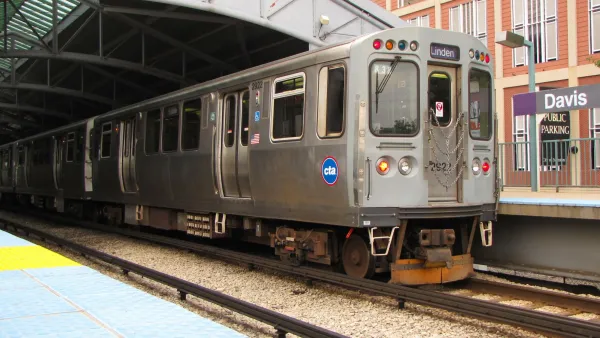
Chicago Transit Recovery Trails Behind Other Major US Cities
Sluggish ridership rates and staffing shortages are dampening recovery. Looming budget gaps could make things even worse.

Planetizen Federal Action Tracker
A weekly monitor of how Trump’s orders and actions are impacting planners and planning in America.

The state-sanctioned urbicide of Austin
People don’t kill cities. Freeways do.

US to reduce Colorado River water deliveries to Mexico
A new Colorado Treaty amendment reduces Mexico’s Colorado River water allocation by 250,000 acre feet.

Mamdani overhauls NYC's Vision Zero plan with 100 new policy goals
The overhaul aims to reduce traffic deaths and make streets safer for pedestrians, cyclists and drivers through lower speed limits, new safety infrastructure and more.

Amtrak not solely to blame for New Jersey commuter rail's unreliability, report finds
A new study from the Garden State Initiative found that NJ Transit’s budget grew 20% across a 4 year period, but reliability declined significantly over the same period.

EPA erases limits on planet-warming pollution from power plants
Under Monday’s plan, power plants would still have some limits on how much mercury, arsenic and other contaminants they can emit.

FREE Course: Walkable City 1: Why Walkability?
After describing his path towards focusing on walkability as the essence of good planning, Jeff Speck marches through his five principal reasons for making more walkable places.
Reinventing Malls: Planning Alchemy—Turning Gray Fields Into Gold
The course focuses on the opportunities and imperatives that shape reinvention of mall sites.

Eagle County Government
Harvard University Graduate School of Design
Nashville Planning Department
The Architects Foundation
University of Cincinnati Online
The Pocatello Development Authority
The Urban Renewal Agency of the City of Pocatello
Journal of the American Planning Association