The city is adding cameras to transit buses as part of a pilot program aimed at stopping drivers from blocking bus lanes.


The Chicago Transit Authority is adding traffic enforcement cameras to six of its buses as part of a pilot program using traffic cameras to prevent drivers from parking or stopping in bus lanes, reports Kade Heather in the Chicago Sun-Times.
“Drivers will be issued a warning for the first violation, then will receive a ticket in the mail for any subsequent offenses. A 30-day warning period began Wednesday, meaning all drivers hit with a violation will receive a warning notice until Nov. 14, when any subsequent violators will begin receiving fines.” The city is using technology from Hayden AI to identify bus lane violations, which are then reviewed by city employees before warnings or citations are issued.
According to CTA, the program is aimed at improving road safety rather than raising revenue. “By keeping bus and bike lanes clear of illegally parked vehicles, the Smart Streets pilot helps us protect our most vulnerable road users while improving the daily commute for riders across the city,” said Mayor Brandon Johnson in a statement.
FULL STORY: Behind the scenes at Metro’s Lost & Found: The Department that handles 15,000 forgotten items a year


Study: Chicago Speed Cameras More Equitable Than Police
The city’s automated traffic enforcement cameras are issuing tickets at rates more aligned with the community’s racial makeup — unlike human police officers, according to a new analysis.
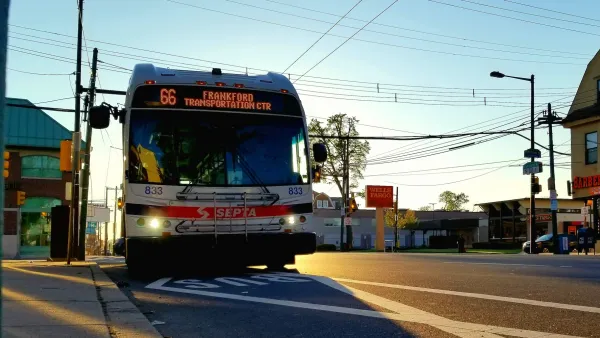
SEPTA's bus-mounted lane enforcement cameras cut travel times by up to 6%
The AI-assisted cameras have issued nearly 200,000 citations to drivers blocking bus lanes.
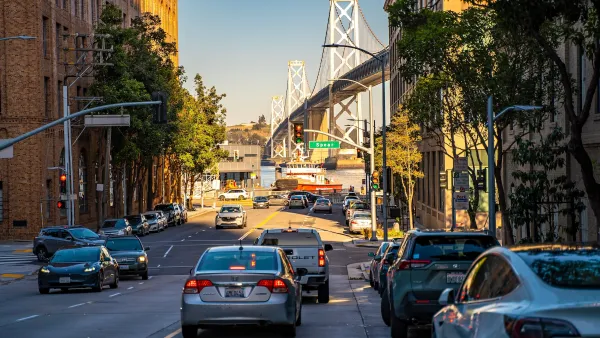
After San Francisco installed traffic cameras, speeding dropped by 80%
The city was allowed to install speed cameras as part of a five-year pilot program approved by California in 2023.

Planetizen Federal Action Tracker
A weekly monitor of how Trump’s orders and actions are impacting planners and planning in America.

The state-sanctioned urbicide of Austin
People don’t kill cities. Freeways do.

US to reduce Colorado River water deliveries to Mexico
A new Colorado Treaty amendment reduces Mexico’s Colorado River water allocation by 250,000 acre feet.

Baltimore to break ground on $50 million Transit Priority Project
The project will bring faster bus trips, safer streets and better bike connections to Baltimore.

Airbnb launches $250 million 'last-dollar financing' housing accelerator, makes first investment in Austin
The company will put $6.4 million towards affordable housing development in Texas’ capital.

Guerilla urbanists are building DIY bus stop benches in Chicago
A before-and-after of one of the bus stops with a new bench. The new benches are not officially sanctioned or permitted, but the residents who placed them hope they will be the start of a network of DIY benches across the city.

FREE Course: Walkable City 1: Why Walkability?
After describing his path towards focusing on walkability as the essence of good planning, Jeff Speck marches through his five principal reasons for making more walkable places.
Reinventing Malls: Planning Alchemy—Turning Gray Fields Into Gold
The course focuses on the opportunities and imperatives that shape reinvention of mall sites.


Eagle County Government
Harvard University Graduate School of Design
Nashville Planning Department
The Architects Foundation
University of Cincinnati Online
The Pocatello Development Authority
The Urban Renewal Agency of the City of Pocatello
Journal of the American Planning Association