The extreme weather events and sea-level rise of the relatively near future will overwhelm storm and flood infrastructure with startling regularity, according to new research.


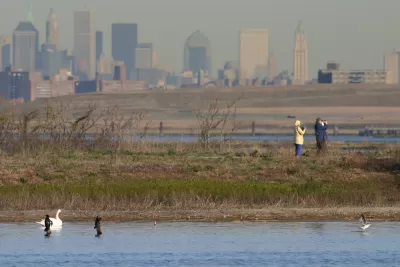
A new report by researchers from the Stevens Institute of Technology in New Jersey raises alarms about how climate change might change traditional perspectives on extreme weather and overwhelm the infrastructure built to protect property and lives from the worst disasters.
"In particular, the researchers found that by the end of this century, 100-year and 500-year floods will be regular threats to thousands of homes surrounding Jamaica Bay, New York. Hurricane Sandy devastated communities in this region with flood kennels that had not been experienced for generations," according to an article by Chrissy Sexton sharing the news of the new report.
Study lead author Reza Marsooli, an assistant professor of Civil, Environmental and Ocean Engineering at Stevens, is quoted in the article offering insight into the report's findings, and tying the data's focus on Jamaica Bay to relevance to other locations around the country and the world. The study can be replicated to model flooding in other regions, according to Professor Marsooli.
FULL STORY: 100-year floods could occur every year by the end of this century

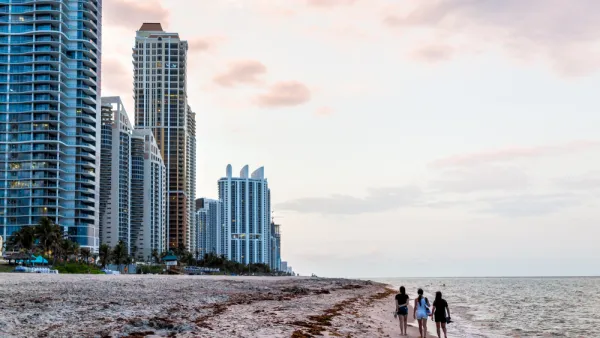
Miami Has the Most to Lose From Climate Change, Study Says
A new report by Resources for the Future, a nonpartisan economic think tank, claims that Miami is the most vulnerable coastal city in the world.
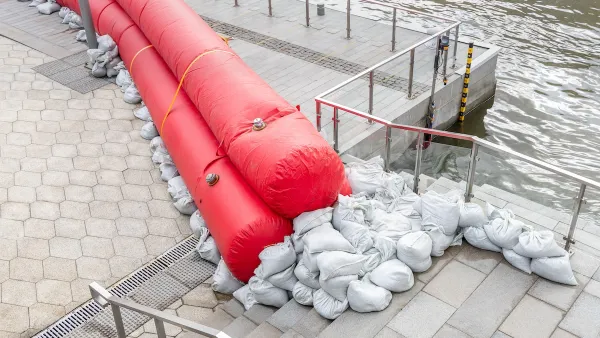
Planning for Future Floods
New climate and flood models are needed to understand growing flood risks.
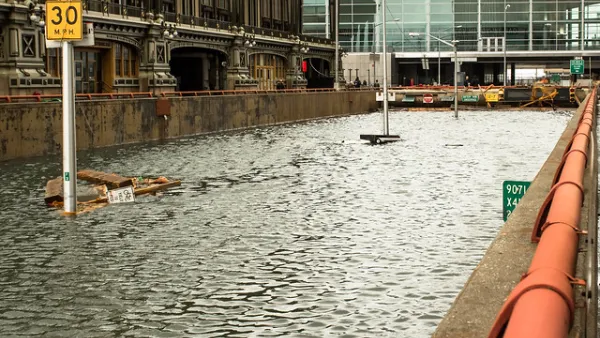
How New York City Can Prepare for the Next Catastrophic Floods–Now
The city must take urgent action to mitigate the effects of increasingly damaging rainstorms.

The state-sanctioned urbicide of Austin
People don’t kill cities. Freeways do.

US to reduce Colorado River water deliveries to Mexico
A new Colorado Treaty amendment reduces Mexico’s Colorado River water allocation by 250,000 acre feet.

New Jersey’s second-largest city bans standalone data centers
Jersey City will continue to allow co-location facilities, such as those meant for research institutions that store their own data.

Amtrak not solely to blame for New Jersey commuter rail's unreliability, report finds
A new study from the Garden State Initiative found that NJ Transit’s budget grew 20% across a 4 year period, but reliability declined significantly over the same period.

EPA erases limits on planet-warming pollution from power plants
Under Monday’s plan, power plants would still have some limits on how much mercury, arsenic and other contaminants they can emit.

Phoenix announces new on-demand transit service, more frequent RAPID buses
Both new services will launch in October, and are part of Phoenix's Project Effective Access Solutions for Easing Congestion.

FREE Course: Walkable City 1: Why Walkability?
After describing his path towards focusing on walkability as the essence of good planning, Jeff Speck marches through his five principal reasons for making more walkable places.
Reinventing Malls: Planning Alchemy—Turning Gray Fields Into Gold
The course focuses on the opportunities and imperatives that shape reinvention of mall sites.

Eagle County Government
Harvard University Graduate School of Design
Nashville Planning Department
The Architects Foundation
University of Cincinnati Online
The Pocatello Development Authority
The Urban Renewal Agency of the City of Pocatello
Journal of the American Planning Association