Faulted for lack of attention to pedestrian and bike advocates, the Oregon Department of Transportation will soon have opportunities to redeem itself.


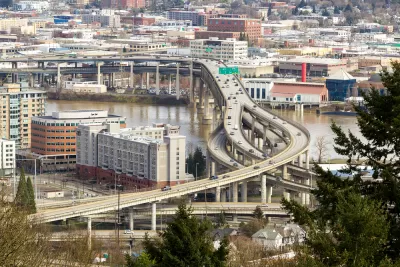
Andrew Theen reports on the findings of a recent audit of Oregon Department of Transportation (ODOT) planning processes for highways over the past three years. The audit, performed by the Oregon Secretary of State's office, faulted ODOT for not doing enough outreach to bike and pedestrian advocates.
The report comes as the state is expecting to enter some of the busiest construction years in decades, buoyed by the 2017 statewide transportation package, which calls for several large-scale projects in the Portland area. Those may include the contentious Rose Quarter freeway project, which is expected to cost more than $715 million, and others on key roads in the Portland area.
The Rose Quarter freeway project lost critical local support earlier this year when the citizen group Albina Vision Trust withdrew support for the plan.
ODOT will also have a chance to improve its focus on safety and engagement if voters approve a $7 billion transportation plan this November, as proposed by the Metro Council, the metropolitan planning organization for the Oregon portion of the Portland area.
FULL STORY: Oregon could better reach out to bike, pedestrian groups before construction projects, audit finds

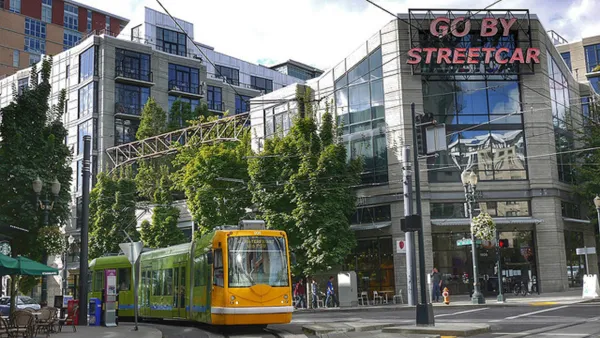
New Details for Portland's Transit Plan as Voters Head to the Polls
Voters in Portland-area voters will decide on a transportation funding measure for the "Get Moving 2020" plan, with details of four bus rapid transit project targeted for funding announced within weeks of the election.
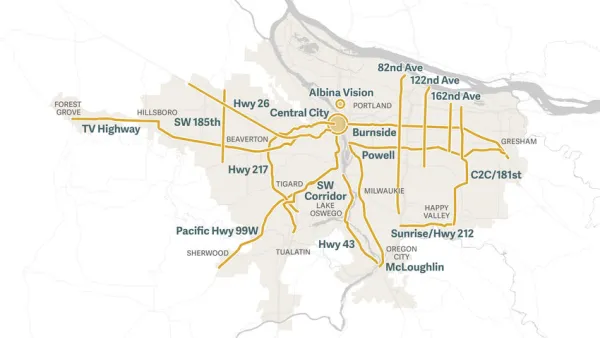
Portland Voters to Consider Largest Ever Transportation Investment in November
The Get Moving 2020 transportation plan will face voters in thee Portland, Oregon region in November.
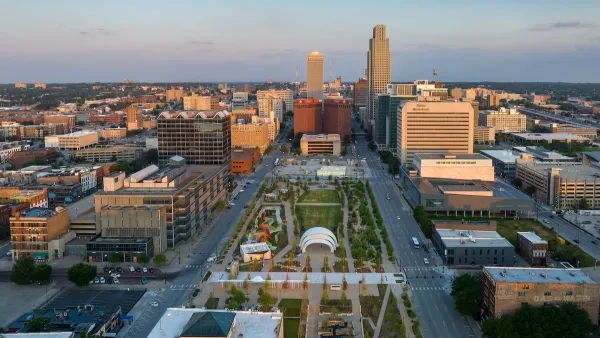
Downtown Omaha Planning for its Post-One-Way-Streets Era
The Omaha City Council has decided to reverse the transportation model adopted in the city in the 1950s, for the benefit of traffic safety and local retail activity.

The state-sanctioned urbicide of Austin
People don’t kill cities. Freeways do.

US to reduce Colorado River water deliveries to Mexico
A new Colorado Treaty amendment reduces Mexico’s Colorado River water allocation by 250,000 acre feet.

New Jersey’s second-largest city bans standalone data centers
Jersey City will continue to allow co-location facilities, such as those meant for research institutions that store their own data.

Amtrak not solely to blame for New Jersey commuter rail's unreliability, report finds
A new study from the Garden State Initiative found that NJ Transit’s budget grew 20% across a 4 year period, but reliability declined significantly over the same period.

EPA erases limits on planet-warming pollution from power plants
Under Monday’s plan, power plants would still have some limits on how much mercury, arsenic and other contaminants they can emit.

Phoenix announces new on-demand transit service, more frequent RAPID buses
Both new services will launch in October, and are part of Phoenix's Project Effective Access Solutions for Easing Congestion.

FREE Course: Walkable City 1: Why Walkability?
After describing his path towards focusing on walkability as the essence of good planning, Jeff Speck marches through his five principal reasons for making more walkable places.
Reinventing Malls: Planning Alchemy—Turning Gray Fields Into Gold
The course focuses on the opportunities and imperatives that shape reinvention of mall sites.

Eagle County Government
Harvard University Graduate School of Design
Nashville Planning Department
The Architects Foundation
University of Cincinnati Online
The Pocatello Development Authority
The Urban Renewal Agency of the City of Pocatello
Journal of the American Planning Association