The Richmond-San Rafael Bridge, connecting the East Bay and the North Bay near San Francisco, is 63 years old, but a local elected official is thinking about how to replace it.


Will Houston reports from the San Francisco Bay Area:
What should a new Richmond-San Rafael Bridge look like? Should it only carry cars or should bikes, walkers and even trains be able to cross it?
These are the questions state Assemblyman Marc Levine is posing to Bay Area residents and commuters as part of a new website and social media campaign he launched centered on replacing the 63-year-old bridge.
Levine has created the TheRichmondBridge.com website to collect opinions about the potential replacement for the bridge, justifying the need as thinking long term about the needs of commuters, and saying "nothing lasts forever."
The Bay Area Toll Authority and Caltrans are conducting a study, expected for completion in March 2020, of the future of the bridge. Estimates about the expected price of maintenance for the bridge over the course of the next decade have reached $900 million. A new bridge could cost in the neighborhood of $8.2 billion, according to a recent Caltrans proposal [pdf] to the Metropolitan Transportation Commission.
FULL STORY: State assemblyman solicits public’s ideas for replacement of 63-year-old Richmond Bridge

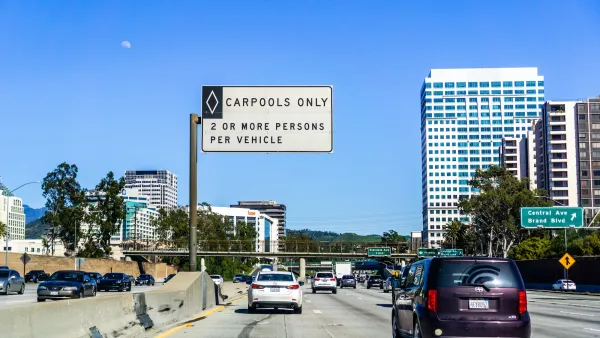
Another Reminder of the Futility of Carpool Lanes
What's the great 'fix' for the flawed Highway 101 carpool lanes in Marin and Sonoma counties in the Bay Area? Reduce the HOV time by two and a half hours during the peak commutes to enable solo drivers greater access to 52 miles of widened freeway.

Superyachts Calling the Shots for How Light Rail Gets Built in Seattle
Determinations made by the Coast Guard to accommodate superyachts will affect the price of light rail and other bridge projects in Seattle and environs.
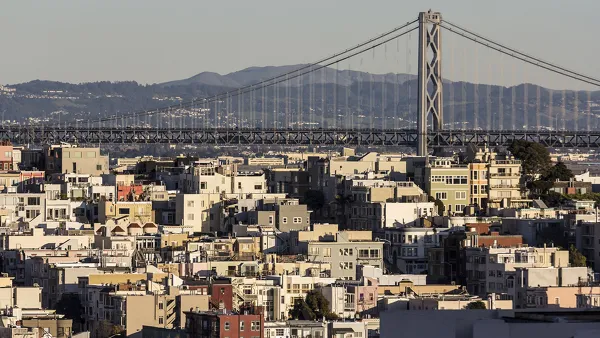
Plan Bay Area 2050 Draft Released
A regional plan for the nine-county San Francisco Bay Area is available for public comment.

Planetizen Federal Action Tracker
A weekly monitor of how Trump’s orders and actions are impacting planners and planning in America.

The state-sanctioned urbicide of Austin
People don’t kill cities. Freeways do.

US to reduce Colorado River water deliveries to Mexico
A new Colorado Treaty amendment reduces Mexico’s Colorado River water allocation by 250,000 acre feet.

Mamdani overhauls NYC's Vision Zero plan with 100 new policy goals
The overhaul aims to reduce traffic deaths and make streets safer for pedestrians, cyclists and drivers through lower speed limits, new safety infrastructure and more.

Amtrak not solely to blame for New Jersey commuter rail's unreliability, report finds
A new study from the Garden State Initiative found that NJ Transit’s budget grew 20% across a 4 year period, but reliability declined significantly over the same period.

EPA erases limits on planet-warming pollution from power plants
Under Monday’s plan, power plants would still have some limits on how much mercury, arsenic and other contaminants they can emit.

FREE Course: Walkable City 1: Why Walkability?
After describing his path towards focusing on walkability as the essence of good planning, Jeff Speck marches through his five principal reasons for making more walkable places.
Reinventing Malls: Planning Alchemy—Turning Gray Fields Into Gold
The course focuses on the opportunities and imperatives that shape reinvention of mall sites.

Eagle County Government
Harvard University Graduate School of Design
Nashville Planning Department
The Architects Foundation
University of Cincinnati Online
The Pocatello Development Authority
The Urban Renewal Agency of the City of Pocatello
Journal of the American Planning Association