Last spring, voters resoundingly quashed Let's Move Nashville, a $5.4 billion plan to build out the city's transit options. The plan paid too little attention to current riders, advocates say, and they aim to do things differently.


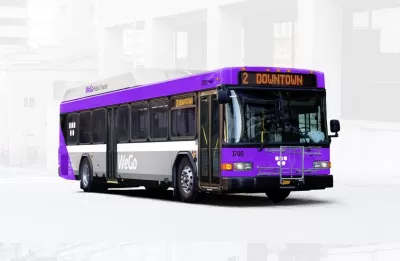
Former Nashville Mayor Megan Barry resigned amidst scandal last year, and with her went Let's Move Nashville, a transportation package that voters rejected by a 64% to 34% margin. TransitCenter calls the vote "a stunning defeat for a plan that consistently polled well and enjoyed support from the Chamber of Commerce and dozens of business and civic organizations." But as critics tell it, Let's Move Nashville suffered from major flaws besides its association with the former mayor.
For one thing, TransitCenter reports, "with 80 percent of the funds earmarked for building five light rail corridors and a tunnel through downtown, a relatively small percentage was left over for bus and pedestrian improvements"—the kinds of projects current transit riders actually want. Some associated the plan with an overeager appetite for transit-oriented development, stoking gentrification fears.
In the year since, "transit supporters regrouped, determined to grapple with what went wrong and learn from past mistakes. A year after the vote, a new coalition is reviving the transit conversation in Nashville." They include the advocacy groups behind the Nashville Community Transportation Platform and a broad coalition including business groups called Connect Mid TN.
The new coalition wants to place greater emphasis on community engagement, which they say was definitively lacking last time. But they may have to contend with lackluster backing from city leaders like Mayor David Briley, "whose support for transit is lukewarm at best."
FULL STORY: Nashville Emerges From the Transit Ashes

Nashville Transit Tax Headed for May Ballot
An historic transit referendum will be on the ballot for Nashville residents in May after some final political maneuvering over the matter of the plan's cost.
Nashville Loses Out on Federal Transit Grant, Adding to Agency's Budget Woes
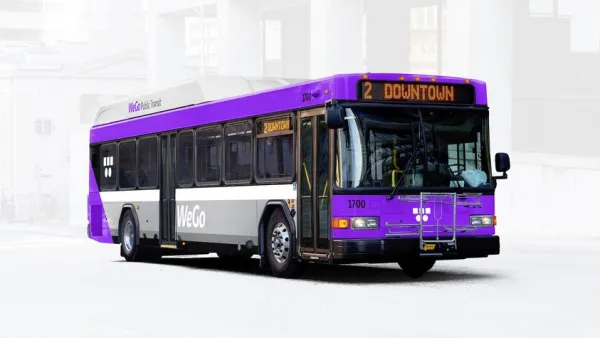
WeGo Public Transit did not receive a grant to build a transit center, and transit advocates say it’s a sobering setback in light of the agency’s other budget challenges.
A New Transit Hub Pitched in Nashville
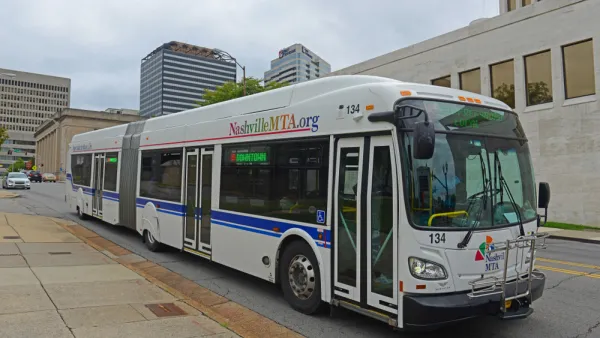
The city of Nashville is trying to get back on track with some of the projects proposed in the 2016 nMotion plan—even without the massive pot of transit tax money it could have won at the ballot box.

Planetizen Federal Action Tracker
A weekly monitor of how Trump’s orders and actions are impacting planners and planning in America.

The state-sanctioned urbicide of Austin
People don’t kill cities. Freeways do.

US to reduce Colorado River water deliveries to Mexico
A new Colorado Treaty amendment reduces Mexico’s Colorado River water allocation by 250,000 acre feet.

Mamdani overhauls NYC's Vision Zero plan with 100 new policy goals
The overhaul aims to reduce traffic deaths and make streets safer for pedestrians, cyclists and drivers through lower speed limits, new safety infrastructure and more.

Amtrak not solely to blame for New Jersey commuter rail's unreliability, report finds
A new study from the Garden State Initiative found that NJ Transit’s budget grew 20% across a 4 year period, but reliability declined significantly over the same period.

EPA erases limits on planet-warming pollution from power plants
Under Monday’s plan, power plants would still have some limits on how much mercury, arsenic and other contaminants they can emit.

FREE Course: Walkable City 1: Why Walkability?
After describing his path towards focusing on walkability as the essence of good planning, Jeff Speck marches through his five principal reasons for making more walkable places.
Reinventing Malls: Planning Alchemy—Turning Gray Fields Into Gold
The course focuses on the opportunities and imperatives that shape reinvention of mall sites.

Eagle County Government
Harvard University Graduate School of Design
Nashville Planning Department
The Architects Foundation
University of Cincinnati Online
The Pocatello Development Authority
The Urban Renewal Agency of the City of Pocatello
Journal of the American Planning Association