An historic transit referendum will be on the ballot for Nashville residents in May after some final political maneuvering over the matter of the plan's cost.


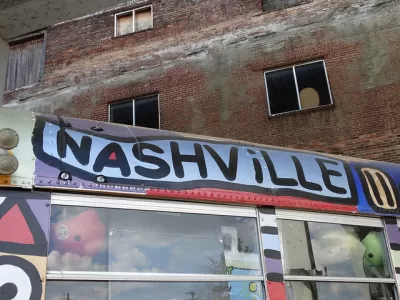
"Following action Tuesday by the Metro Council, Nashville voters will decide May 1 whether to raise four taxes, including the sales tax, to pay for a sweeping mass transit plan, anchored by light rail and a massive downtown tunnel," reports Joey Garrison.
The transit program proposed by the ballot vote "is headlined by a combination of 26 miles of new light rail, more robust bus service, and a 1.8-mile tunnel below downtown," explains Garrison.
The City Council made some 11th hour changes to the transit referendum proposed by Nashville Mayor Megan Barry, by deciding "to list both the transit proposal's present-day cost of $5.4 billion as well as the estimated amount of long-term revenue needed for the project, $8.95 billion." Mayor Barry wanted only to list the lower total. The article details the current political dynamics of the vote—which political leaders and advocacy groups have coalesced around the pending vote.
Read the full story: Nashville council votes to add transit referendum with two dollar amounts to May ballot

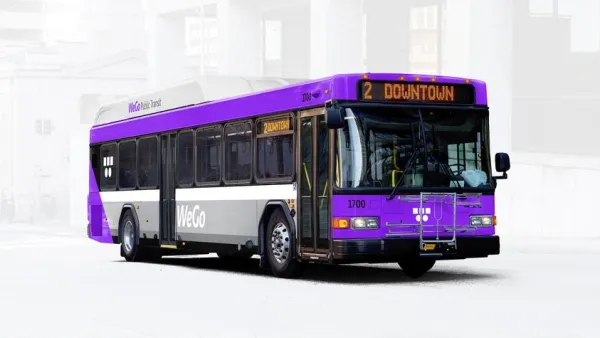
Following a Failed Referendum, Nashville Transit Advocates Regroup
Last spring, voters resoundingly quashed Let's Move Nashville, a $5.4 billion plan to build out the city's transit options. The plan paid too little attention to current riders, advocates say, and they aim to do things differently.

Nashville Transit Referendum Soundly Beaten at the Ballot Box
Transit advocates suffered a resounding defeat in Nashville yesterday. The Let's Move Nashville plan does not have the funding to build-out its ambitiously pro-transit agenda.
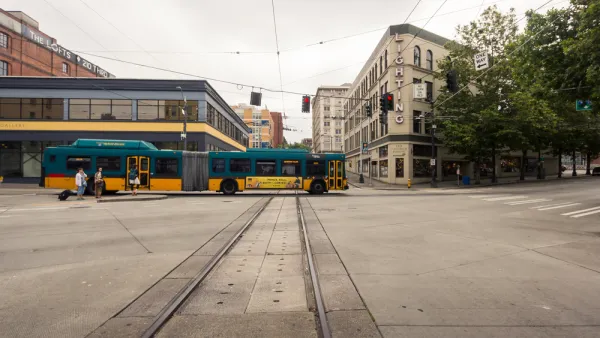
Transit Spending on the Ballot in Seattle and Washington
Voters in the city of Seattle will consider a sales tax to fund bus transit service, while voters around the state of Washington will have a chance to send new leaders to Congress.

Planetizen Federal Action Tracker
A weekly monitor of how Trump’s orders and actions are impacting planners and planning in America.

California plans to bury El Niño’s downpour
If the state plays its cards right, it may be able to store a billion acre-feet of El Niño’s water in aquifers.

Chicago breaks ground on $3 billion megadevelopment
The new neighborhood, titled Foundry Park, will one day host 3,700 residences.

Satanic Place Names
From streams and lakes to valleys and canyons, I mapped more than 1,000 places named after the Devil.

California High-Speed Rail Authority CEO resigns after $600,000 scandal
Under Ian Choudri, the authority used taxpayer dollars to fund first class flights and trips to nightclubs.

Want to study the Missouri River? Soon, you may need unanimous approval from 10 states
Legislation would require 10 governors’ permission to study or build projects moving water outside the basin.

FREE Course: Walkable City 1: Why Walkability?
After describing his path towards focusing on walkability as the essence of good planning, Jeff Speck marches through his five principal reasons for making more walkable places.
Reinventing Malls: Planning Alchemy—Turning Gray Fields Into Gold
The course focuses on the opportunities and imperatives that shape reinvention of mall sites.

City of Rosemead
Rutgers University, Edward J. Bloustein School of Planning and Public Policy
One Hundred Miles
Hunter College, City University of New York (CUNY)
The Architects Foundation
University of Cincinnati Online
City of Cambridge
Montrose County
The Pocatello Development Authority