A bike lane on Roland Avenue in Baltimore had been separated from vehicle traffic by vehicle parking, but no longer.


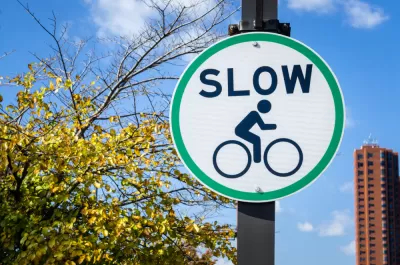
"A crew began removing the protected bicycle lane on Roland Avenue in Baltimore on Wednesday, despite protests from bike advocates," reports Colin Campbell.
"The bike lane, installed as part of a road resurfacing project in 2015, has been the subject of controversy for years," according to Campbell. Planetizen picked up the news about bikelash against the Roland Avenue bike lane in 2018.
As Campbell explains, the bike lane had been configured to position parked cars between the bike lane and moving vehicles. In March, Mayor Catherine Pugh, currently on a leave of absence, ordered the city to move the bike lane to the outside of the parking lane and paint the bike lane green.
The advocacy group Bikemore has been protesting the reconfiguration, and pushing the city to test a road diet on Roland Avenue. As reported in an article by Alison Knezevish from March, Mayor Pugh nixed that idea in addition to ordering the reconfigured bike lane.
FULL STORY: Baltimore crews begin removing Roland Park bike lane, despite protests

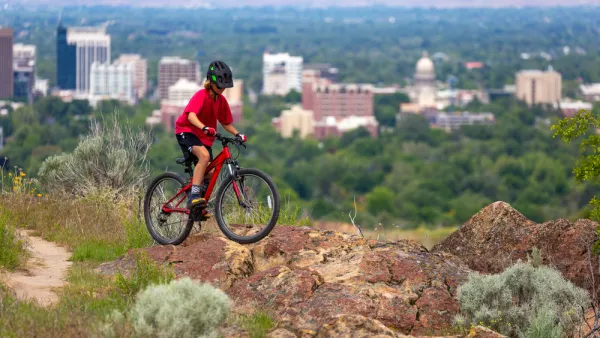
Bikelash in Boise
Parents don’t want bike lanes to interfere with the pick up and drop off zone near two churches and schools in Boise.
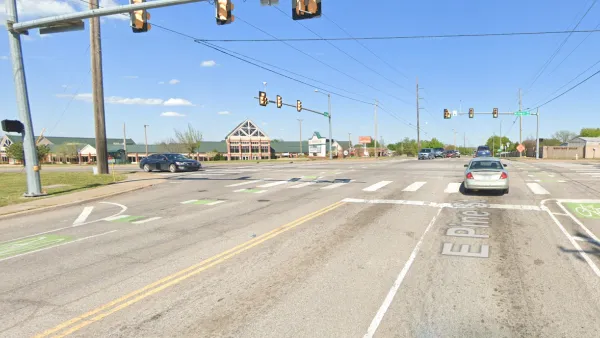
Business Owners Force Removal of New Tulsa Bike Lanes
Local politics is still an obstacle for street reconfigurations that make space for people on bikes.
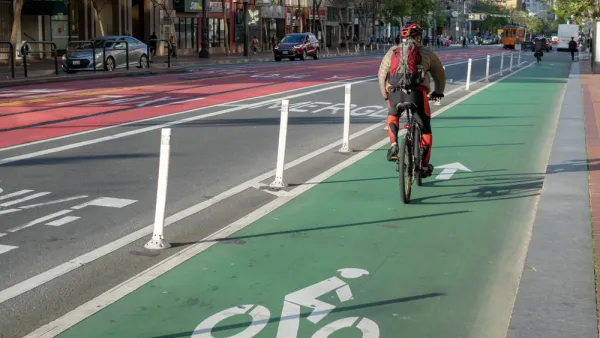
San Francisco's New Bike Lane Experience
The city of San Francisco has been overhauling its bike infrastructure during the pandemic. The results are especially apparent in the city's downtown.

Planetizen Federal Action Tracker
A weekly monitor of how Trump’s orders and actions are impacting planners and planning in America.

The state-sanctioned urbicide of Austin
People don’t kill cities. Freeways do.

US to reduce Colorado River water deliveries to Mexico
A new Colorado Treaty amendment reduces Mexico’s Colorado River water allocation by 250,000 acre feet.

5 New England states march closer to 800 megawatt wind energy project
Securing federal approval for the project may be complicated under the Trump administration, which has historically been hostile towards domestic wind power.

Baltimore to break ground on $50 million Transit Priority Project
The project will bring faster bus trips, safer streets and better bike connections to Baltimore.

Airbnb launches $250 million 'last-dollar financing' housing accelerator, makes first investment in Austin
The company will put $6.4 million towards affordable housing development in Texas’ capital.

FREE Course: Walkable City 1: Why Walkability?
After describing his path towards focusing on walkability as the essence of good planning, Jeff Speck marches through his five principal reasons for making more walkable places.
Reinventing Malls: Planning Alchemy—Turning Gray Fields Into Gold
The course focuses on the opportunities and imperatives that shape reinvention of mall sites.

Eagle County Government
Harvard University Graduate School of Design
Nashville Planning Department
The Architects Foundation
University of Cincinnati Online
The Pocatello Development Authority
The Urban Renewal Agency of the City of Pocatello
Journal of the American Planning Association