Brooklyn N and R trains can now move at faster top speeds, but only when there aren’t stopped trains ahead.


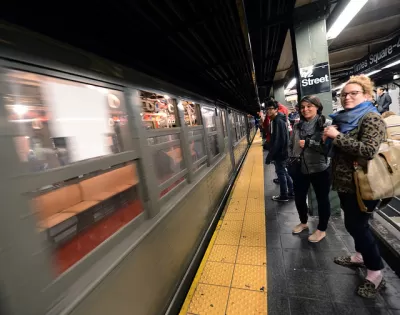
New York’s Subway trains are among the slowest in the county, but that may be changing. “Over the weekend, the speed limit was raised on parts of two lines in Brooklyn — the N and R trains — from 15 miles per hour to as much as 30 miles per hour. Other lines will be sped up in coming months,” Emma G. Fitzsimmons reports for The New York Times. MTA CEO Andy Byford is changing the limits on certain stretches of New York subway lines in the hopes of improving service. These limits had been put in place after a series of crashes in the '90s, but now officials are confident they can speed up trains safely, by doing it strategically.
Beyond changing regulations, Byford is also improving some of the equipment. “Workers have also started to replace faulty signals that trigger a train’s emergency brakes at low speeds, a problem investigated by The New York Times and The Village Voice that has also led to slower service,” Fitzsimmons writes.
Still, observers point out, these speed gains will only be realized when trains are running smoothly. Breakdowns or stopped trains ahead will still bring N and R trains to a halt.
FULL STORY: Why Your Subway Train Might Start Moving Faster

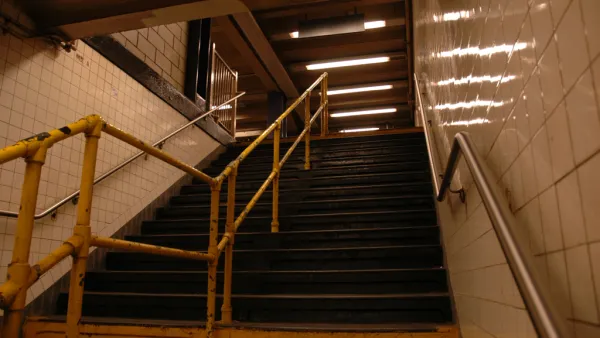
$5.5 Billion Plan for More Elevators in the N.Y.C. Subway
The city’s subway system is lagging in station accessibility, but the MTA has a plan to add elevators to 70 stations.
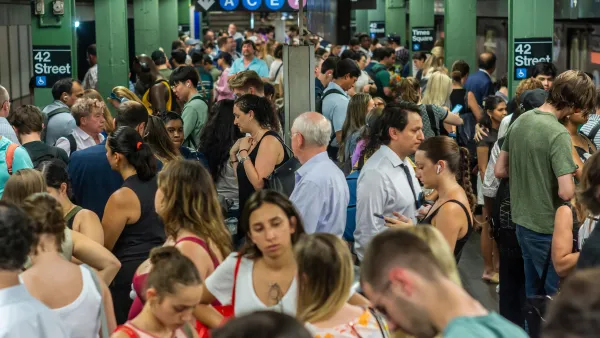
NYC's sweltering subway tunnels might soon provide heat to nearby buildings
The MTA is studying how a Thermal Energy Network could capture extreme excess heat from subway platforms to warm nearby municipal buildings.
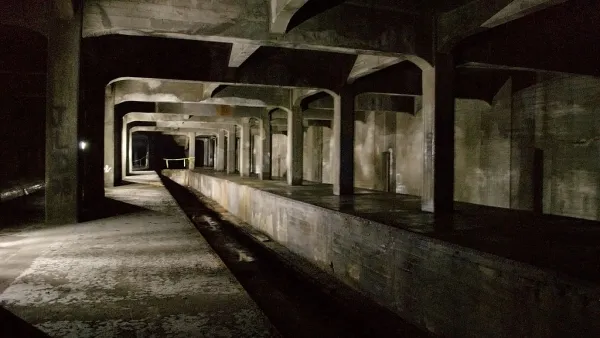
Cincinnati Seeks to Repurpose Its Unused Subway Tunnel
City officials are looking for proposals to use Cincinnati's long-abandoned subway tunnels, but not for transit; they already tried that.

Planetizen Federal Action Tracker
A weekly monitor of how Trump’s orders and actions are impacting planners and planning in America.

The state-sanctioned urbicide of Austin
People don’t kill cities. Freeways do.

US to reduce Colorado River water deliveries to Mexico
A new Colorado Treaty amendment reduces Mexico’s Colorado River water allocation by 250,000 acre feet.

Mamdani overhauls NYC's Vision Zero plan with 100 new policy goals
The overhaul aims to reduce traffic deaths and make streets safer for pedestrians, cyclists and drivers through lower speed limits, new safety infrastructure and more.

Amtrak not solely to blame for New Jersey commuter rail's unreliability, report finds
A new study from the Garden State Initiative found that NJ Transit’s budget grew 20% across a 4 year period, but reliability declined significantly over the same period.

EPA erases limits on planet-warming pollution from power plants
Under Monday’s plan, power plants would still have some limits on how much mercury, arsenic and other contaminants they can emit.

FREE Course: Walkable City 1: Why Walkability?
After describing his path towards focusing on walkability as the essence of good planning, Jeff Speck marches through his five principal reasons for making more walkable places.
Reinventing Malls: Planning Alchemy—Turning Gray Fields Into Gold
The course focuses on the opportunities and imperatives that shape reinvention of mall sites.

Eagle County Government
Harvard University Graduate School of Design
Nashville Planning Department
The Architects Foundation
University of Cincinnati Online
The Pocatello Development Authority
The Urban Renewal Agency of the City of Pocatello
Journal of the American Planning Association