City officials are looking for proposals to use Cincinnati's long-abandoned subway tunnels, but not for transit; they already tried that.


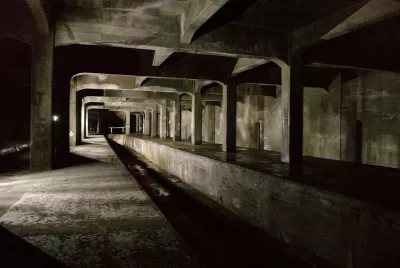
In the 1920s, the city of Cincinnati abandoned construction of its subway with only 2 miles of twin tracks laid. Today, nearly a century years later, “the subway tunnel not only sits empty but costs city taxpayers money to maintain,” writes Sharon Coolidge in a recent article for the Cincinnati Enquirer. Now the city has issued a request for proposals for ways to repurpose the tunnel, for commercial or other purposes, reports Coolidge.
The city manager called the tunnel a “unique, underutilized, asset” and told the Enquirer they’re looking for “creative, fresh ideas on what could be done with the space, if anything.” When news hit social media, user after user on X — formerly Twitter — jokingly suggested the city use the tunnel, which sits below Central Parkway in downtown Cincinnati, for its original, much-needed purpose: a subway. But according to another Cincinnati Enquirer article from a few years ago, the city proposed using the tunnels for a light-rail system in 2002, but it was rejected by voters.
FULL STORY: Cincinnati exploring options to use never-completed subway tunnel

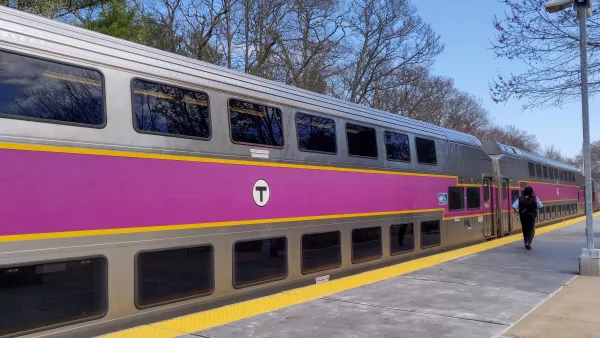
Boston Transit Ridership Grows Steadily
Ridership on the region’s commuter rail reached 80 percent of pre-pandemic levels in March.
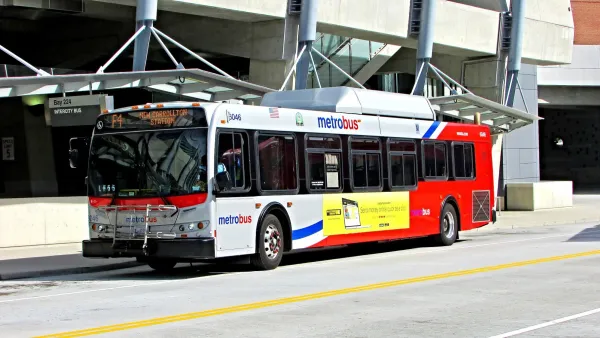
D.C.-Area Residents Want Bus Lanes and Free Transfers, Survey Shows
New survey findings identify transit priorities among residents in D.C. and surrounding areas, and indicate broad support for public investments.
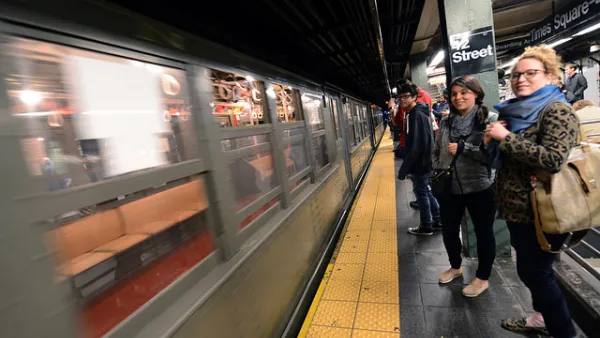
Speed Limits Increase for New York Trains
Brooklyn N and R trains can now move at faster top speeds, but only when there aren’t stopped trains ahead.

Planetizen Federal Action Tracker
A weekly monitor of how Trump’s orders and actions are impacting planners and planning in America.

The state-sanctioned urbicide of Austin
People don’t kill cities. Freeways do.

US to reduce Colorado River water deliveries to Mexico
A new Colorado Treaty amendment reduces Mexico’s Colorado River water allocation by 250,000 acre feet.

5 New England states march closer to 800 megawatt wind energy project
Securing federal approval for the project may be complicated under the Trump administration, which has historically been hostile towards domestic wind power.

Baltimore to break ground on $50 million Transit Priority Project
The project will bring faster bus trips, safer streets and better bike connections to Baltimore.

Airbnb launches $250 million 'last-dollar financing' housing accelerator, makes first investment in Austin
The company will put $6.4 million towards affordable housing development in Texas’ capital.

FREE Course: Walkable City 1: Why Walkability?
After describing his path towards focusing on walkability as the essence of good planning, Jeff Speck marches through his five principal reasons for making more walkable places.
Reinventing Malls: Planning Alchemy—Turning Gray Fields Into Gold
The course focuses on the opportunities and imperatives that shape reinvention of mall sites.


Eagle County Government
Harvard University Graduate School of Design
Nashville Planning Department
The Architects Foundation
University of Cincinnati Online
The Pocatello Development Authority
The Urban Renewal Agency of the City of Pocatello
Journal of the American Planning Association