Bus-mounted cameras will identify vehicles that block designated bus lanes to help prevent delays and maintain reliable transit operations.


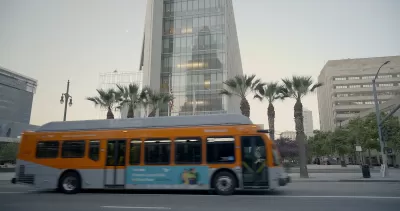
Los Angeles drivers who block bus lanes will soon receive citations from bus-mounted enforcement cameras, reports Travis Schlepp for KTLA.
Like in other cities, “The camera-based technology will be deployed on LA Metro buses in hopes of cracking down on those who block dedicated bus lanes and bus stops with their vehicles, causing service disruptions and increasing transit times.”
The cameras will monitor obstructions and scan license plates, sending the info to the Los Angeles Department of Transportation (LADOT). The citations will be verified by a human before being issued. “Fines would range from $293 for a first-time offender to $406 for second-timers; fines will also come with possible additional fees for late payments.”
The program will begin with a 60-day grace period. LADOT expects to issue over 100,000 such tickets annually, based on a previous pilot study. “LADOT said dedicated bus lanes improve service reliability and reduce travel times for riders, but compliance is needed for these benefits to be realized.”
FULL STORY: Metro buses will soon begin automatically ticketing parking violators on these routes


Philadelphia Bus Cameras Document Over 30,000 Violations
A pilot program tested AI-powered cameras that monitored bus-only lanes for parked vehicles.
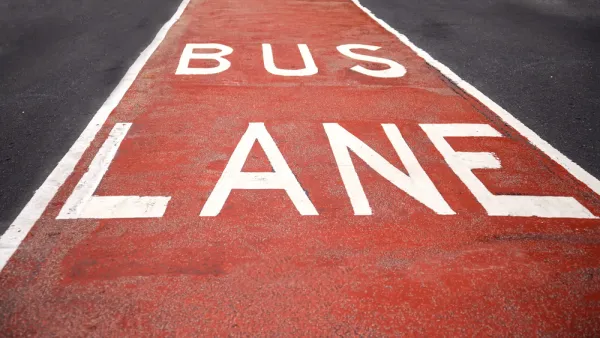
Moment of Zen: Watch L.A.'s New Bus Lane Outperform Car Traffic in Real Time
A pilot bus-only lane, originally intended to replace temporarily closed light rail service, has produced some big wins for transit advocates on social media.
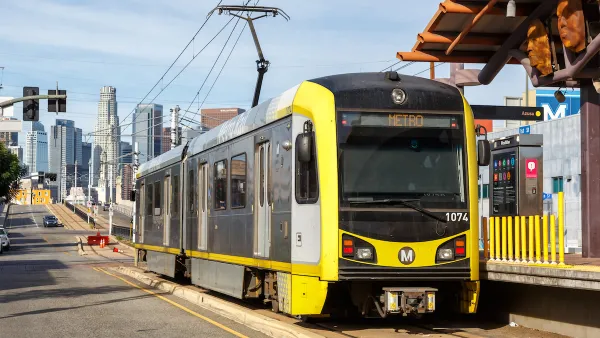
Los Angeles Transit Ridership Grew in 2023
Metro attributes the growth to new destinations, added security, and a streamlined train system.

Planetizen Federal Action Tracker
A weekly monitor of how Trump’s orders and actions are impacting planners and planning in America.

The state-sanctioned urbicide of Austin
People don’t kill cities. Freeways do.

US to reduce Colorado River water deliveries to Mexico
A new Colorado Treaty amendment reduces Mexico’s Colorado River water allocation by 250,000 acre feet.

Guerilla urbanists are building DIY bus stop benches in Chicago
A before-and-after of one of the bus stops with a new bench. The new benches are not officially sanctioned or permitted, but the residents who placed them hope they will be the start of a network of DIY benches across the city.

Mamdani overhauls NYC's Vision Zero plan with 100 new policy goals
The overhaul aims to reduce traffic deaths and make streets safer for pedestrians, cyclists and drivers through lower speed limits, new safety infrastructure and more.

Amtrak not solely to blame for New Jersey commuter rail's unreliability, report finds
A new study from the Garden State Initiative found that NJ Transit’s budget grew 20% across a 4 year period, but reliability declined significantly over the same period.

FREE Course: Walkable City 1: Why Walkability?
After describing his path towards focusing on walkability as the essence of good planning, Jeff Speck marches through his five principal reasons for making more walkable places.
Reinventing Malls: Planning Alchemy—Turning Gray Fields Into Gold
The course focuses on the opportunities and imperatives that shape reinvention of mall sites.

Eagle County Government
Harvard University Graduate School of Design
Nashville Planning Department
The Architects Foundation
University of Cincinnati Online
The Pocatello Development Authority
The Urban Renewal Agency of the City of Pocatello
Journal of the American Planning Association