The public is weighing in on a suite of options for repairing, replacing, or removing Interstate 794 in downtown Milwaukee.


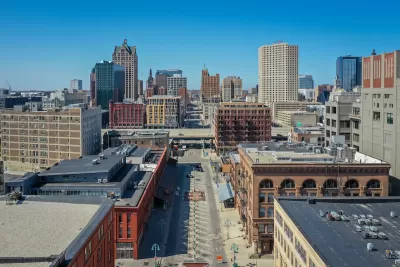
The Wisconsin Department of Transportation is collecting feedback on a plan to repair, replace, or remove Interstate 794 in downtown Milwaukee during a series of public open houses.
“The open houses presented several conceptual alternatives from the Wisconsin Department of Transportation on either repairing the elevated freeway, or replacing it with at-grade streets between roughly the Hoan Bridge's northern approach and a few blocks west of the Milwaukee River,” reports Tom Daykin for the Milwaukee Journal Sentinel.
The article includes overviews each of the alternatives, including two options for removing the freeway; one plan to replace the freeway in kind; four plans to “rebuild freeway bridges within I-794's current alignment that keeps a wider separation of the eastbound and westbound lanes − while using updated design standards to improve safety”; and two plans to “rebuild freeway bridges with a tightened alignment between eastbound and westbound lanes that uses updated design standards.”
“Freeway removal supporters say the streets can handle the change, which would open several blocks for commercial development − and tear down a barrier between downtown, the lakefront and the Historic Third Ward,” reports Daykin. “Opponents fear removing the freeway would shift tens of thousands of cars daily to surface streets − clogging traffic and lengthening commutes.”
Milwaukee Journal Sentinel columnist Dan Slapczynski is firmly in the opposition camp, writing an opinion piece that suggests the project will solely benefit real estate developers and hurt neighborhoods around the interstate. The column finds fault with supporters’ claims that I-794 worsens pedestrian safety and contributes to the city’s population decline, but doesn’t offer any specific reasoning for those claims.
Supporters of the freeway removal option have published a website called Rethink 794.
The city’s new downtown comprehensive plan supports the freeway removal, as detailed in an article shared by Planetizen in April 2023. The Wisconsin Department of Transportation did in 2022 decide to expand Interstate 94 in Milwaukee despite the opposition of local groups.
FULL STORY: Here's what we know about two plans to remove I-794, and seven plans to repair the freeway

Opinion: Proposed I-94 Expansion a 'Fiasco' for Milwaukee
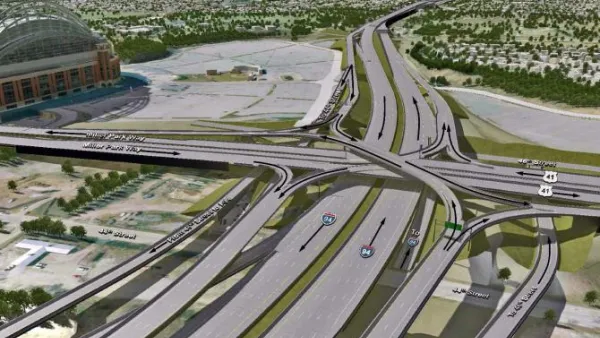
An opinion piece published by Urban Milwaukee argues against a proposed expansion of three miles of Interstate 94 in Milwaukee.
New Governor, Same Billion Dollar Freeway Expansion Plan
Wisconsin Gov. Tony Evers is picking up a plan previously championed and abandoned by former Gov. Scott Walker: The North-South expansion of I-94 west of Milwaukee.
Milwaukee mayor abandons highway removal plan
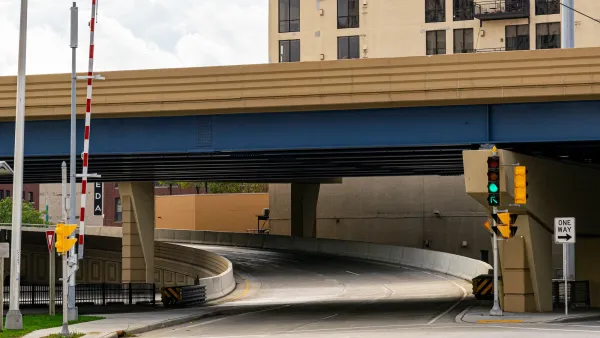
Mayor Johnson spoke in opposition to a proposed plan to turn part of I-794 into an at-grade boulevard, expressing concerns about traffic.

Planetizen Federal Action Tracker
A weekly monitor of how Trump’s orders and actions are impacting planners and planning in America.

The state-sanctioned urbicide of Austin
People don’t kill cities. Freeways do.

US to reduce Colorado River water deliveries to Mexico
A new Colorado Treaty amendment reduces Mexico’s Colorado River water allocation by 250,000 acre feet.

LA Metro’s ultimatum: no extra buses for LA28 if federal funding isn’t imminently secured
If Metro does not provide additional buses, LA28 organizers will have to find a new way to manage Olympic traffic. LA28’s budget does not include a line item for transit.

Colorado’s Largest Data Center Could Rise Next to Homes — Without a Public Hearing
The proposed campus would consume 11 times the power of Denver International Airport; as it has across the country, opposition mounts.

5 New England states march closer to 800 megawatt wind energy project
Securing federal approval for the project may be complicated under the Trump administration, which has historically been hostile towards domestic wind power.

FREE Course: Walkable City 1: Why Walkability?
After describing his path towards focusing on walkability as the essence of good planning, Jeff Speck marches through his five principal reasons for making more walkable places.
Reinventing Malls: Planning Alchemy—Turning Gray Fields Into Gold
The course focuses on the opportunities and imperatives that shape reinvention of mall sites.

Eagle County Government
Harvard University Graduate School of Design
Nashville Planning Department
The Architects Foundation
University of Cincinnati Online
The Pocatello Development Authority
The Urban Renewal Agency of the City of Pocatello
Journal of the American Planning Association