States like Colorado and water suppliers in parts of Southern California are expanding the use of recycled wastewater to protect dwindling drinking water supplies.



To address ongoing water shortages created by climate change and increasing populations in the Western United States, more states and cities that rely on the Colorado River are turning to recycled wastewater to keep the taps flowing.
Colorado water quality regulators recently gave preliminary clearance for potable reuse—treating and recycling waste water for human consumption. Southern California cities are also expanding potable reuse, following the lead of water suppliers in Orange County.
According to the coverage of the expanding use of recycled wastewater in Colorado, most states don't prohibit the use of recycled wastewater, but Colorado hopes that setting new standards can help increase the scale of facilities and output in the future.
FULL STORY: Colorado to reuse wastewater for drinking, creating new supply

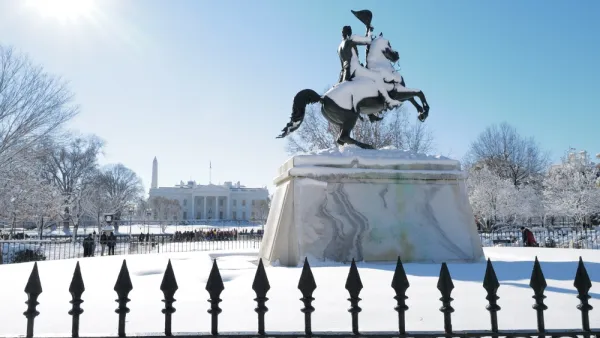
Winter Storm Knocks Out Drinking Water Systems in the South, Including in Jackson
Jackson, Mississippi made headlines and incurred a civil rights investigation earlier this year when flooding knocked out the city’s drinking water supply. This week’s winter storm had the same effect on Jackson as well as other Southern cities.
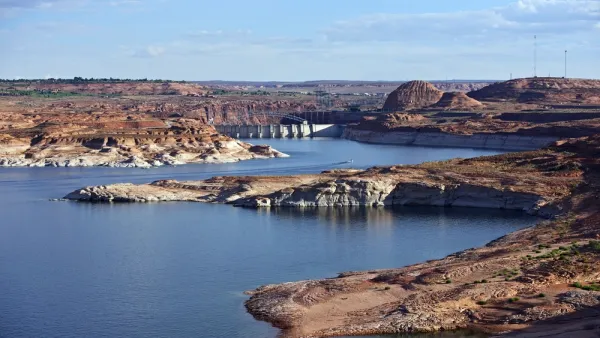
New Drought Contingencies Triggered for Upper Colorado River States
The latest Bureau of Reclamation report on water levels in Lake Powell and Lake Mead trigger new drought contingencies in Colorado, New Mexico, Utah, and Wyoming.
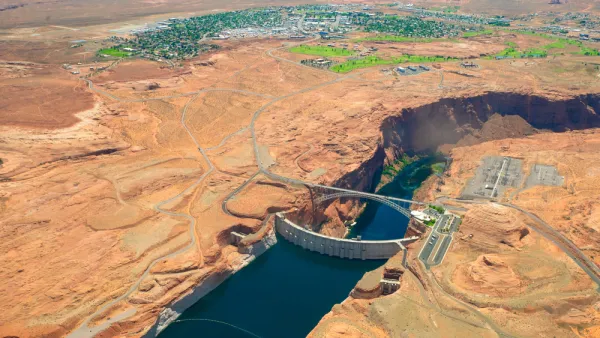
Drought Contingency Plan Triggered for the Colorado River
Signs of worsening drought conditions in the American West are triggering early actions for states that depend on water from the Colorado River.

Planetizen Federal Action Tracker
A weekly monitor of how Trump’s orders and actions are impacting planners and planning in America.

The state-sanctioned urbicide of Austin
People don’t kill cities. Freeways do.

US to reduce Colorado River water deliveries to Mexico
A new Colorado Treaty amendment reduces Mexico’s Colorado River water allocation by 250,000 acre feet.

Colorado’s Largest Data Center Could Rise Next to Homes — Without a Public Hearing
The proposed campus would consume 11 times the power of Denver International Airport; as it has across the country, opposition mounts.

5 New England states march closer to 800 megawatt wind energy project
Securing federal approval for the project may be complicated under the Trump administration, which has historically been hostile towards domestic wind power.

Baltimore to break ground on $50 million Transit Priority Project
The project will bring faster bus trips, safer streets and better bike connections to Baltimore.

FREE Course: Walkable City 1: Why Walkability?
After describing his path towards focusing on walkability as the essence of good planning, Jeff Speck marches through his five principal reasons for making more walkable places.
Reinventing Malls: Planning Alchemy—Turning Gray Fields Into Gold
The course focuses on the opportunities and imperatives that shape reinvention of mall sites.

Eagle County Government
Harvard University Graduate School of Design
Nashville Planning Department
The Architects Foundation
University of Cincinnati Online
The Pocatello Development Authority
The Urban Renewal Agency of the City of Pocatello
Journal of the American Planning Association