A lawsuit claims a company's 75-year contract to manage the city of Chicago's parking meters amounts to an "unreasonable" monopoly.



A lawsuit filed on behalf of three Chicago motorists alleges that "Chicago Parking Meters’ lengthy deal with the city has resulted in increased parking rates and restrictions on other forms of travel, like bicycles and ride-hailing," reports Tom Schuba for the Chicago Sun-Times. The suit claims that the exclusive contract the company holds with the city essentially gives them "unreasonable 75-year monopoly" over the city's 36,000 parking meters.
"In 2008, the City Council approved former Mayor Richard M. Daley’s proposal to lease the meter system to CPM for 75 years." Since then, the lawsuit argues, "rapidly changing consumer needs and preferences for different types of transportation" as well as advances in transportation technology have been ignored as parking rates more than doubled. "The suit claims the deal with the city violates both federal antitrust laws and the Illinois Consumer Fraud and Deceptive Business Practices Act. The initial filing seeks class action status, unspecified monetary damages, the payment of legal fees and other relief."
The lawsuit comes as cities begin to assess the true value of curbside space and implement new programs to manage it wisely. Once an overlooked piece of public space, the curb zone has become a valuable asset for drivers, bicyclists, delivery services, and local businesses alike.
FULL STORY: Chicago Parking Meters hit with potential class-action suit for ‘unreasonable 75-year monopoly’

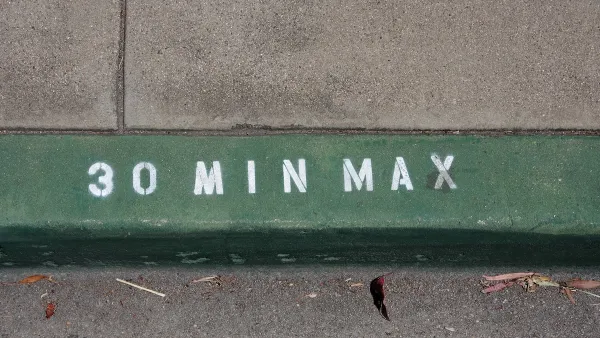
How Cities Use Tech for Curb Management
Curb monitoring technology is helping cities build a growing understanding of the shifting demand for this valuable urban space.
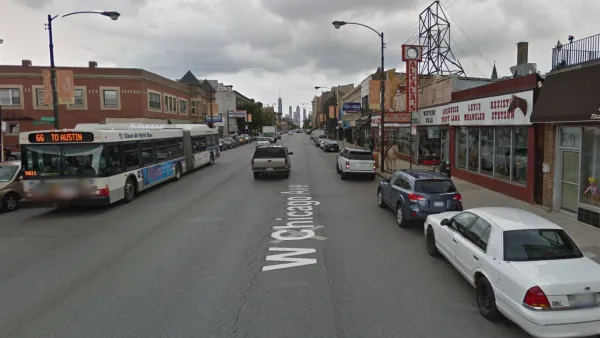
Opinion: Chicago Needs an Office of Parking Management
The city of Chicago needs a local agency empowered to planning, studying, or managing parking, according to a recent opinion piece published by Streetsblog Chicago.
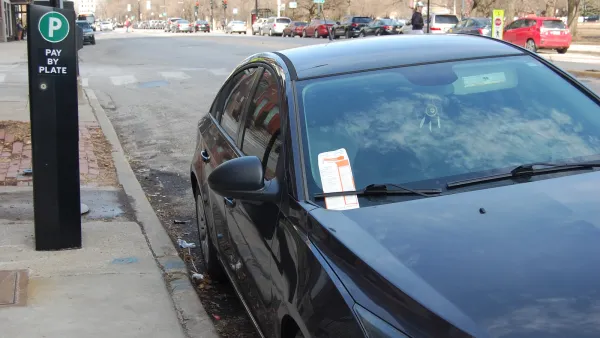
Chicago mayor secretly bid over $3B to buy back city's parking meters
Mayor Brandon Johnson revoked an offer to pay more than $800 million above the next-highest bidder to regain control of the city's parking meters.

The state-sanctioned urbicide of Austin
People don’t kill cities. Freeways do.

US to reduce Colorado River water deliveries to Mexico
A new Colorado Treaty amendment reduces Mexico’s Colorado River water allocation by 250,000 acre feet.

New Jersey’s second-largest city bans standalone data centers
Jersey City will continue to allow co-location facilities, such as those meant for research institutions that store their own data.

Amtrak not solely to blame for New Jersey commuter rail's unreliability, report finds
A new study from the Garden State Initiative found that NJ Transit’s budget grew 20% across a 4 year period, but reliability declined significantly over the same period.

EPA erases limits on planet-warming pollution from power plants
Under Monday’s plan, power plants would still have some limits on how much mercury, arsenic and other contaminants they can emit.

Phoenix announces new on-demand transit service, more frequent RAPID buses
Both new services will launch in October, and are part of Phoenix's Project Effective Access Solutions for Easing Congestion.

FREE Course: Walkable City 1: Why Walkability?
After describing his path towards focusing on walkability as the essence of good planning, Jeff Speck marches through his five principal reasons for making more walkable places.
Reinventing Malls: Planning Alchemy—Turning Gray Fields Into Gold
The course focuses on the opportunities and imperatives that shape reinvention of mall sites.

Eagle County Government
Harvard University Graduate School of Design
Nashville Planning Department
The Architects Foundation
University of Cincinnati Online
The Pocatello Development Authority
The Urban Renewal Agency of the City of Pocatello
Journal of the American Planning Association