Cities are beginning to recognize that effective curb management is an important part of reducing congestion and ensuring equitable use of public space.


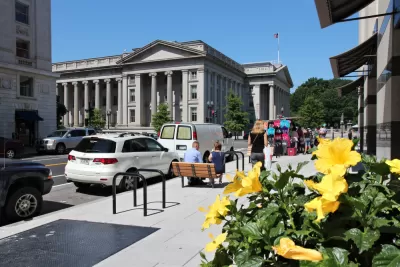
The humble curb is becoming a hot commodity as cities scramble to regulate curbside parking and curb usage in the wake of new services and technologies that have made on-demand pickups, deliveries, and micro-mobility options more popular than ever. Writing for Governing, Skip Descant reports on nationwide efforts to regulate curb use and manage congestion.
The city of Aspen, Colorado has established "smart zones" that drivers can book for quick deliveries, creating "a smoother orchestration of goods coming into the city’s small downtown." A Las Vegas project monitors curbside parking and alerts drivers and the city when a vehicle exceeds parking limits. "As these types of projects become more common, data sharing and data standards — like Mobility Data Specifications (MDS) — are needed to better manage public right-of-way spaces, said Regina Clewlow, CEO and founder of Populus."
Curb management initiatives and the "adoption of new digital tools" can help cities keep up with new mobility technologies and manage public space effectively and sustainably, said Clewlow. "Without data, many cities were essentially blind to how their streets, curbs and sidewalks were being used by new fleet services. With data, they’re now empowered to create policies, and more quickly establish new infrastructure that’s cleaner, that’s safer, and that’s more equitable."
FULL STORY: Cities Focus on Urban Curbs and How to Manage Them

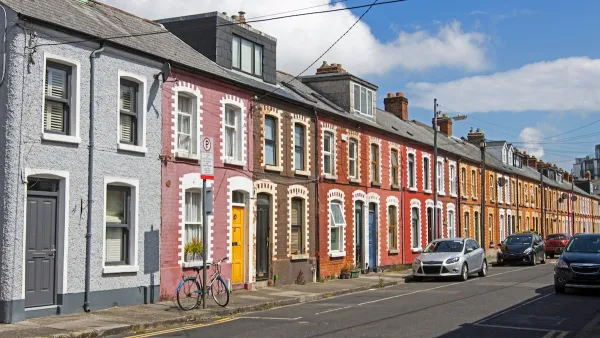
Reimagining the Curb: How Smart Curb Management is Transforming Urban Mobility
Modern demands for curbside space call for new ways to manage and allocate it.
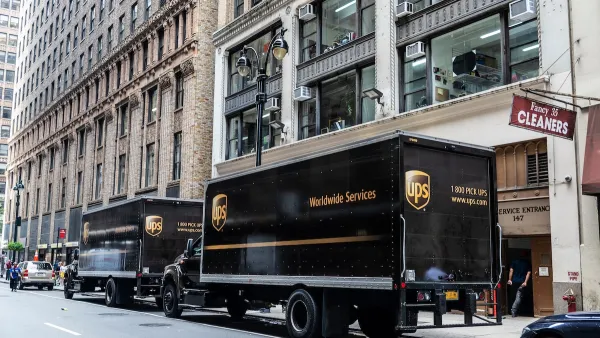
State of Curbs & Parking Report Reveals Glut of Data
As the uses of curb space become more diverse, city officials are working to understand how to best manage this increasingly important urban amenity.
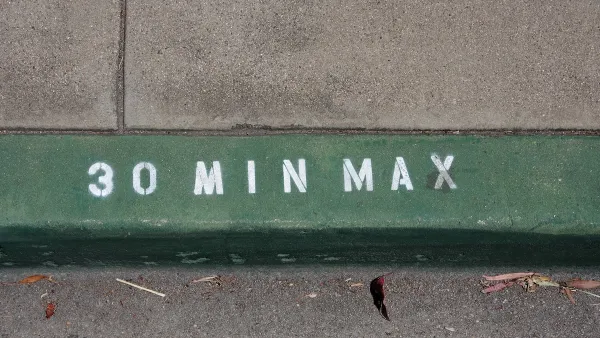
How Cities Use Tech for Curb Management
Curb monitoring technology is helping cities build a growing understanding of the shifting demand for this valuable urban space.

The state-sanctioned urbicide of Austin
People don’t kill cities. Freeways do.

US to reduce Colorado River water deliveries to Mexico
A new Colorado Treaty amendment reduces Mexico’s Colorado River water allocation by 250,000 acre feet.

New Jersey’s second-largest city bans standalone data centers
Jersey City will continue to allow co-location facilities, such as those meant for research institutions that store their own data.

Amtrak not solely to blame for New Jersey commuter rail's unreliability, report finds
A new study from the Garden State Initiative found that NJ Transit’s budget grew 20% across a 4 year period, but reliability declined significantly over the same period.

EPA erases limits on planet-warming pollution from power plants
Under Monday’s plan, power plants would still have some limits on how much mercury, arsenic and other contaminants they can emit.

Phoenix announces new on-demand transit service, more frequent RAPID buses
Both new services will launch in October, and are part of Phoenix's Project Effective Access Solutions for Easing Congestion.

FREE Course: Walkable City 1: Why Walkability?
After describing his path towards focusing on walkability as the essence of good planning, Jeff Speck marches through his five principal reasons for making more walkable places.
Reinventing Malls: Planning Alchemy—Turning Gray Fields Into Gold
The course focuses on the opportunities and imperatives that shape reinvention of mall sites.

Eagle County Government
Harvard University Graduate School of Design
Nashville Planning Department
The Architects Foundation
University of Cincinnati Online
The Pocatello Development Authority
The Urban Renewal Agency of the City of Pocatello
Journal of the American Planning Association