Five historic projects encapsulate a transit-oriented version of Southeastern Michigan that almost could have been.


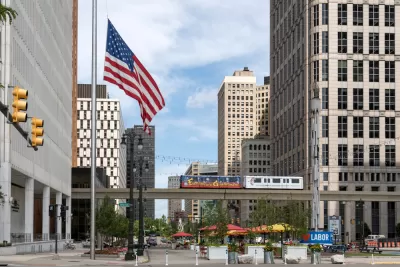
"Detroit went from having one of the largest public transit systems in the world to a fragmented one composed of several independently operated transit agencies: DDOT, SMART, the Detroit People Mover, and the QLine."
David Gifford writes about what Detroit sacrificed over the years as a result of "disease, labor issues, political agendas, franchise disputes, competition from automobiles and buses, maintenance issues, lack of funding, lack of regional cooperation, and urban sprawl."
The list of historical evidence cited by Gifford includes both never built plans, like the 1919 Detroit Subway Plan and the 2016 RTA Plan, as well as systems and organizations that are no longer around, like the PCC Streetcar System and the Southeastern Michigan Transportation Authority.
FULL STORY: Detroit’s 5 biggest transit misses

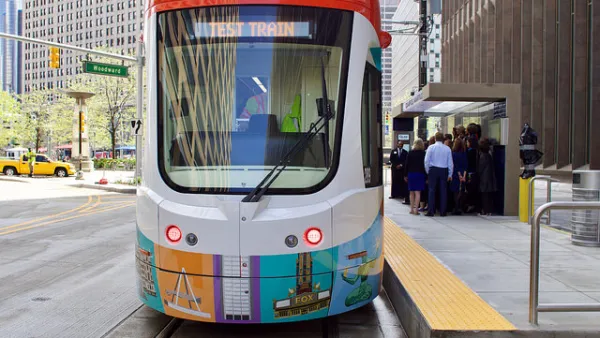
Op-Ed: Detroit's QLINE Is 'At Times an Embarrassment'
Randy Essex details why it is that "rely" isn't a word that comes to mind for many Detroiters when they think about downtown's QLINE streetcar system.
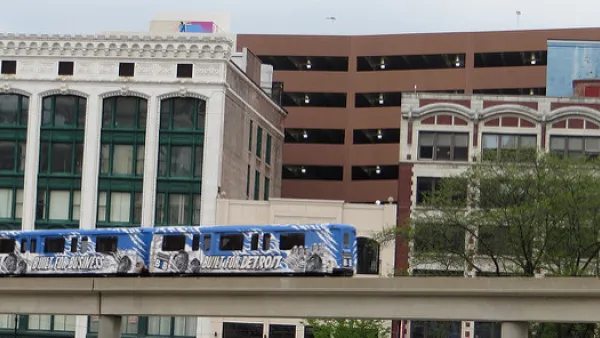
Cultivating a Culture of Transit
How Detroit, historical home of the U.S. automotive industry, can create a culture of transit and the equitable transportation system its residents need.
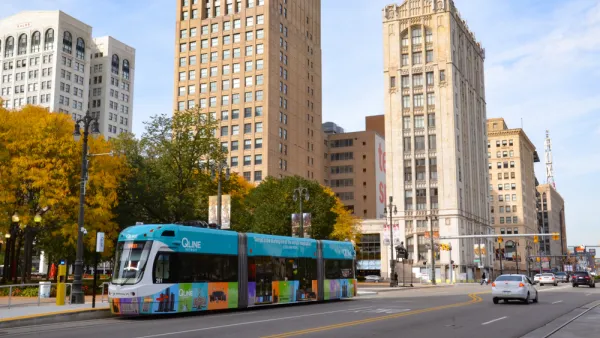
Unified Fare Payment in Detroit
The QLine streetcar joins the fare payment system of DDOT and SMART buses in the Motor City.

The state-sanctioned urbicide of Austin
People don’t kill cities. Freeways do.

US to reduce Colorado River water deliveries to Mexico
A new Colorado Treaty amendment reduces Mexico’s Colorado River water allocation by 250,000 acre feet.

New Jersey’s second-largest city bans standalone data centers
Jersey City will continue to allow co-location facilities, such as those meant for research institutions that store their own data.

Amtrak not solely to blame for New Jersey commuter rail's unreliability, report finds
A new study from the Garden State Initiative found that NJ Transit’s budget grew 20% across a 4 year period, but reliability declined significantly over the same period.

EPA erases limits on planet-warming pollution from power plants
Under Monday’s plan, power plants would still have some limits on how much mercury, arsenic and other contaminants they can emit.

Phoenix announces new on-demand transit service, more frequent RAPID buses
Both new services will launch in October, and are part of Phoenix's Project Effective Access Solutions for Easing Congestion.

FREE Course: Walkable City 1: Why Walkability?
After describing his path towards focusing on walkability as the essence of good planning, Jeff Speck marches through his five principal reasons for making more walkable places.
Reinventing Malls: Planning Alchemy—Turning Gray Fields Into Gold
The course focuses on the opportunities and imperatives that shape reinvention of mall sites.

Eagle County Government
Harvard University Graduate School of Design
Nashville Planning Department
The Architects Foundation
University of Cincinnati Online
The Pocatello Development Authority
The Urban Renewal Agency of the City of Pocatello
Journal of the American Planning Association