Maps of planned, never built, and defunct transit systems in cities from Cleveland to Atlanta and Phoenix back to Cincinnati are for sale.


Nick Swartsell shares the work of artist and transit enthusiast Jake Merman, who creates maps of "lost" subways and streetcar systems. These maps include systems that have been ripped out, and many that were planned and never built.
"He's drawn maps of Detroit's streetcar system circa 1950, a 1997 monorail proposal in Seattle, Cleveland's Electric Interurban Railway circa 1898 and a number of others," writes Swartsell.
Swartsell's specific interest in Merman's work stems from two maps of Cincinnati. "One shows Cincinnati's ill-fated subway system, color-coded by sections of the proposed 16-mile loop that still exist today, those that were built but later demolished and those that never left the drawing board, along with proposed connections to streetcars," explains Swartsell. "Berman's other Cincinnati-centric map features the 2002 Metro Moves initiative, a vast multi-modal transit system that would have been financed with a half-cent Hamilton County sales tax increase."
Read the full story: Check Out These Cincinnati Transit Maps That Could Have Been

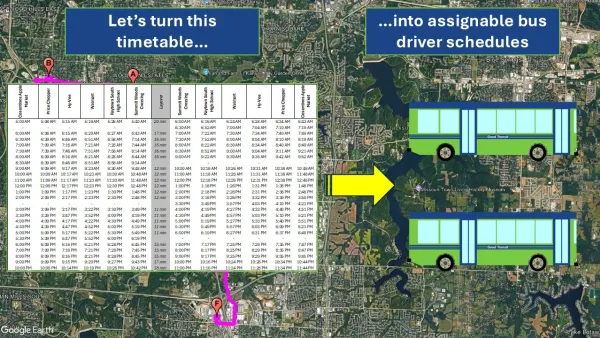
Transit Scheduling 101: Building the operator schedule
A transit operator’s work goes beyond just driving the bus.
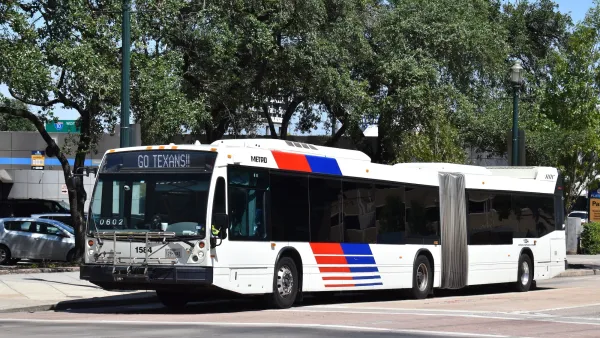
A Love Letter to the Articulated Bus
An ode to the bendy boys, by far the wackiest of the specialized vehicles you might find at a transit authority.
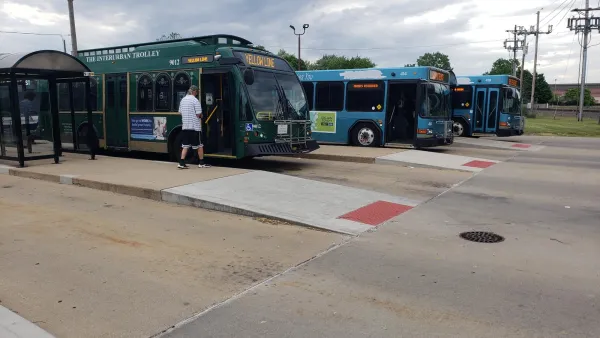
Transit Scheduling 101: Never Cheat the Layover!
Letting drivers take their bathroom break keeps buses running on time, prevents burnout, and might even save the world from tech-fueled social entropy. Why risk it?!

Planetizen Federal Action Tracker
A weekly monitor of how Trump’s orders and actions are impacting planners and planning in America.

California plans to bury El Niño’s downpour
If the state plays its cards right, it may be able to store a billion acre-feet of El Niño’s water in aquifers.

Desperate measures: Advocates weigh draining Lake Powell to fill Colorado River
Draining the reservoir could reduce evaporation losses by a couple hundred thousand acre-feet.

California city breaks ground on transit connector
The project includes three mobility hubs and a pedestrian bridge.

After public outcry, Massachusetts city releases housing development tracker
Cambridge’s tracker currently shows 250 housing projects in various stages of development.

40 years after approval, Chicago breaks ground on new park
The park honors Jean Baptiste Point du Sable, the city’s first permanent non-native settler.

FREE Course: Walkable City 1: Why Walkability?
After describing his path towards focusing on walkability as the essence of good planning, Jeff Speck marches through his five principal reasons for making more walkable places.
Reinventing Malls: Planning Alchemy—Turning Gray Fields Into Gold
The course focuses on the opportunities and imperatives that shape reinvention of mall sites.


City of Rosemead
Rutgers University, Edward J. Bloustein School of Planning and Public Policy
One Hundred Miles
Hunter College, City University of New York (CUNY)
The Architects Foundation
University of Cincinnati Online
City of Cambridge
Montrose County
The Pocatello Development Authority