A carpooling feature in the Waze app, tested in the San Francisco Bay Area and Israel, will soon be available around the country.


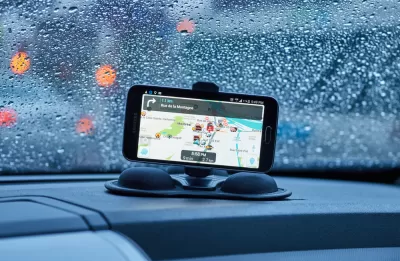
"Google-owned Waze announced [last week] that it plans to expand its carpool service to all 50 states, directly competing with ride-sharing services like Lyft and Uber," reports Kif Leswing.
According to Leswing, "the Waze Carpool app will enable users to find rides from Waze drivers that are headed in the same direction, not unlike Lyft Line and Uber Pool, the startups' respective carpooling features."
There are a few key differences between Waze's new feature and the model provided by Uber and Lyft: namely that Waze "are regular people with day jobs," not professional drivers (nevermind that all Uber and Lyft drivers are regular people and many also have day jobs). Waze carpoolers, however, will have to verify their workplace.
A blog post by Waze CEO Noam Bardin explains more about the company's thinking behind the app.

Lyft, Uber Suspend Shared Rides
Ride-hailing companies are responding to the coronavirus pandemic with actions that can protect both drivers and riders.
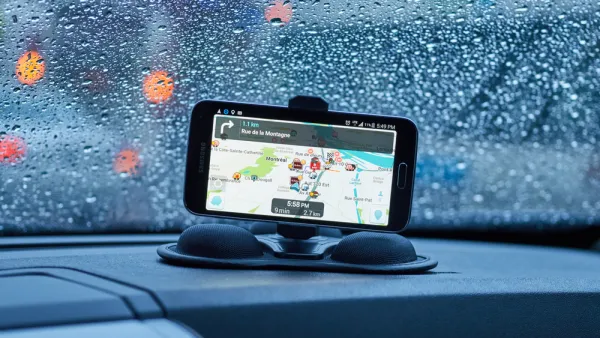
Waze Wants To Be a Carpooling Matchmaker
The Google-owned company has the data to connect commuters to possible carpool buddies, Whether Waze can stem the long-term decline in carpooling remains to be seen.
Social Media Apps Put Ride Sharing on the Map
Ride share websites and mobile apps take the guesswork out of finding a ride and move social networking offline and onto the open road, fueling a revival of car-pooling, reports Mickey Meece.

Planetizen Federal Action Tracker
A weekly monitor of how Trump’s orders and actions are impacting planners and planning in America.

The state-sanctioned urbicide of Austin
People don’t kill cities. Freeways do.

US to reduce Colorado River water deliveries to Mexico
A new Colorado Treaty amendment reduces Mexico’s Colorado River water allocation by 250,000 acre feet.

5 New England states march closer to 800 megawatt wind energy project
Securing federal approval for the project may be complicated under the Trump administration, which has historically been hostile towards domestic wind power.

Baltimore to break ground on $50 million Transit Priority Project
The project will bring faster bus trips, safer streets and better bike connections to Baltimore.

Airbnb launches $250 million 'last-dollar financing' housing accelerator, makes first investment in Austin
The company will put $6.4 million towards affordable housing development in Texas’ capital.

FREE Course: Walkable City 1: Why Walkability?
After describing his path towards focusing on walkability as the essence of good planning, Jeff Speck marches through his five principal reasons for making more walkable places.
Reinventing Malls: Planning Alchemy—Turning Gray Fields Into Gold
The course focuses on the opportunities and imperatives that shape reinvention of mall sites.

Eagle County Government
Harvard University Graduate School of Design
Nashville Planning Department
The Architects Foundation
University of Cincinnati Online
The Pocatello Development Authority
The Urban Renewal Agency of the City of Pocatello
Journal of the American Planning Association