Ride-hailing companies are responding to the coronavirus pandemic with actions that can protect both drivers and riders.


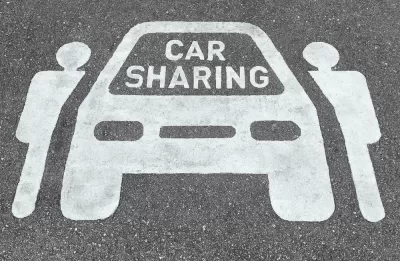
"Lyft and Uber both suspended their shared pooled ride services — Lyft Line and UberPool, respectively — effective Tuesday in the United States and Canada in a bid to help curb the spread of the new coronavirus (COVID-19)," reports Chris Teale.
While so far, many of the mobility effects of the coronavirus pandemic have been visible on reduced car congestion, declining transit ridership, and increasing numbers of people on bikes, now the world of transportation network companies is also showing signs of change.
For now, single rides and the Uber Eats food delivery service are still available. The Independent Drivers Guild, which advocates for drivers in New York City, is advocating for additional protections for drivers, including a moratorium on shared rides and a paid sick leave policy.
Read the full story: Lyft, Uber suspend pool services due to coronavirus fears


Ride-Hailing Prices Skyrocket as the U.S. Emerges From the Pandemic
A shortage of drivers and spiking demand are driving Uber and Lyft prices higher than ever as the companies struggle to achieve profitability.

Report: Ride-Hailing Drastically Increases Vehicle Miles Traveled
New research published in Transport Policy finds that ride-hailing companies increase vehicle miles traveled of users by 97 percent in Chicago, 114 percent in New York City, and 118 percent in San Francisco.

New Research Connects Land Use to Ride-Hailing Trips
Many of the places in Chicago generating the most ride-hailing trips with services like Uber and Lyft are accessible by transit, according to new research.

Planetizen Federal Action Tracker
A weekly monitor of how Trump’s orders and actions are impacting planners and planning in America.

Amtrak, CN end decades-long dispute with eight-year agreement
The new operating agreement establishes an updated framework for the companies to work together, including processes to resolve disputes.

Nation's most wind-powered state turns to coal as data centers increase energy demand
For the first time in decades, Iowa has increased its generation of coal power.

Alabama scores up to $2.5 billion federal loan for largest infrastructure project in state’s history
The Mobile River Bridge and Bayway Project aims to ease congestion at Alabama’s worst bottleneck.

Trump is considering data centers on 6 states' public land — some state officials say they had no idea
If the administration approves the proposed projects, data center and data center-related developments will cover 17,600 acres of public land.

Despite court ruling, Trump is keeping nearly all wind projects in the US on hold
At least 110 wind energy projects have not heard from the government since a federal judge ruled that the Trump administration's freeze on wind turbine clearances was likely illegal.

FREE Course: Walkable City 1: Why Walkability?
After describing his path towards focusing on walkability as the essence of good planning, Jeff Speck marches through his five principal reasons for making more walkable places.
Reinventing Malls: Planning Alchemy—Turning Gray Fields Into Gold
The course focuses on the opportunities and imperatives that shape reinvention of mall sites.

KFH Group Inc.
Greater Baltimore Committee
Eagle County Government
The Architects Foundation
University of Cincinnati Online
The Pocatello Development Authority
The Urban Renewal Agency of the City of Pocatello