Climate change denier Scott Pruitt, head of the U.S. Environmental Protection Agency, submitted his resignation on Thursday, to take effect July 6. On Monday, EPA Deputy Administrator Andrew R. Wheeler becomes the acting administrator.


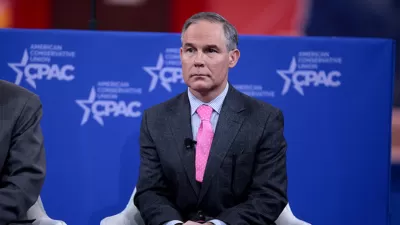
"The resignation appeared to happen quickly," report Coral Davenport, Lisa Friedman and Maggie Haberman for The New York Times on July 5.
An individual close to Mr. Pruitt said the president acted after he found one particular story in recent days embarrassing: a report that Mr. Pruitt had asked Mr. Trump to fire Jeff Sessions, the attorney general, so that Mr. Pruitt could run the Justice Department.
Fresh allegations that Mr. Pruitt had retroactively altered his public schedule, potentially committing a federal crime, had also escalated concerns about him at the White House, according to a White House aide.
On Thursday afternoon, around 1:30, Mr. Trump’s chief of staff, John F. Kelly, reached out to Mr. Pruitt to tell him the time had come.
Pruitt, who was nominated by Trump on Dec. 7, 2016, is facing 13 federal investigations into his spending and management practices as EPA administrator, submitted a letter of resignation effective July 6.
On Monday, EPA Deputy Administrator Andrew R. Wheeler, a former coal industry lobbyist who was confirmed on a 53-45 vote by Senate on April 12, becomes the acting administrator "until President Trump nominates a new agency chief, who must then be confirmed by the Senate," reports Coral Davenport in a separate article. "That process could take months and potentially stretch past the November midterm elections."
While many, particularly in the environmental community, may celebrate Pruitt's departure due greatly to his role in implementing the Trump administration policy of regulatory rollbacks, they may have more to fear from his immediate successor, adds Davenport.
Mr. Wheeler is viewed as a consummate Washington insider who avoids the limelight and has spent years effectively navigating the rules. For that reason, Mr. Wheeler’s friends and critics alike say, he could ultimately prove to be more adept than his controversial former boss in the job.
“Many worry Wheeler will be more effective at implementing Trump’s anti-environmental agenda than Pruitt was,” said Paul Bledsoe, a former Clinton White House climate adviser, in the wake of the departure.
Davenport goes on to describes Wheeler's background and reputation. What was interesting to read was the important role played by Sen. Jim Inhofe (R-Okla.), a well-known climate change skeptic, in the appointments of both Pruitt, a former Oklahoma attorney general and Wheeler, who served as Inhofe's former chief of staff.
Like both his former bosses, Wheeler appears to be a climate skeptic, based on his questioning the findings of the United Nations Intergovernmental Panel on Climate Change, the world’s leading scientific authority on global warming.
FULL STORY: E.P.A. Chief Scott Pruitt Resigns Under a Cloud of Ethics Scandals

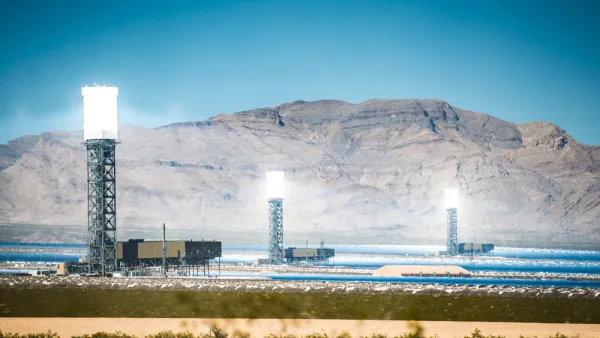
'Affordable Clean Energy Rule' Proposed to Replace Clean Power Plan
On Tuesday, EPA released its new rule to regulate emissions from existing power plants, essentially leaving it to the states to determine appropriate emissions levels rather than setting actual standards each state has to meet like the current rule.

Big Oil Not Happy With Methane Regulation Rollback
The Trump administration's rollback on August 29 of an Obama-era regulation to reduce methane emissions in the production and distribution of oil and natural gas did not sit well with large oil and gas companies who see value in reducing emissions.
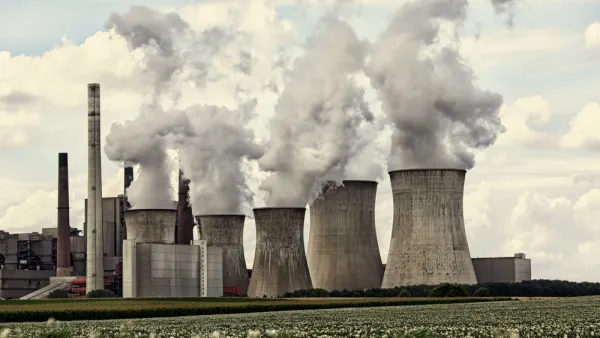
It's Official: Obama's Clean Power Plan Has Been Replaced by the Trump Administration
It took less than a year for the EPA to finalize the Affordable Clean Energy rule, which will allow older coal-burning plants to continue operating, in the Trump administration's most consequential environmental rollback accomplished to date.

The state-sanctioned urbicide of Austin
People don’t kill cities. Freeways do.

US to reduce Colorado River water deliveries to Mexico
A new Colorado Treaty amendment reduces Mexico’s Colorado River water allocation by 250,000 acre feet.

New Jersey’s second-largest city bans standalone data centers
Jersey City will continue to allow co-location facilities, such as those meant for research institutions that store their own data.

Amtrak not solely to blame for New Jersey commuter rail's unreliability, report finds
A new study from the Garden State Initiative found that NJ Transit’s budget grew 20% across a 4 year period, but reliability declined significantly over the same period.

EPA erases limits on planet-warming pollution from power plants
Under Monday’s plan, power plants would still have some limits on how much mercury, arsenic and other contaminants they can emit.

Phoenix announces new on-demand transit service, more frequent RAPID buses
Both new services will launch in October, and are part of Phoenix's Project Effective Access Solutions for Easing Congestion.

FREE Course: Walkable City 1: Why Walkability?
After describing his path towards focusing on walkability as the essence of good planning, Jeff Speck marches through his five principal reasons for making more walkable places.
Reinventing Malls: Planning Alchemy—Turning Gray Fields Into Gold
The course focuses on the opportunities and imperatives that shape reinvention of mall sites.

Eagle County Government
Harvard University Graduate School of Design
Nashville Planning Department
The Architects Foundation
University of Cincinnati Online
The Pocatello Development Authority
The Urban Renewal Agency of the City of Pocatello
Journal of the American Planning Association