Though he’s opened land all over the U.S. to industry, the Interior Secretary is actually pushing to conserve even more of his home state.



Since his first day as secretary of the Department of the Interior, Ryan Zinke has been instrumental in executing the Trump Administration's pro-development, anti-regulatory agenda, which has included reducing national monuments in Utah and making it easier to drill for oil and gas in California (among other states).
But as a state senator and congressman in Montana, Zinke was not so wildly opposed to environmental regulation, even earning high marks from at least one conservation organization. And now, reports The New York Times, he seems to be treating his home state as an exception:
“In the past year, Mr. Zinke has halted the sale of oil and gas leases near Yellowstone National Park, opposed gold mining in that area, and urged the president to protect one national monument, Montana’s Upper Missouri River Breaks, while creating another, the Badger-Two Medicine, just miles from his childhood home.”
He has also pledged to commit “whatever it takes” to rebuild “a cherished century-old backcountry chalet.”
It’s not the first time Zinke has been accused of favoring one state over another for the purpose of advancing a political agenda; after opening up almost all offshore areas under his purview to oil and gas drilling, he then traveled to Florida, where Trump’s favored senate candidate will be challenging a Democrat, and reversed himself.
FULL STORY: Ryan Zinke Is Opening Up Public Lands. Just Not at Home.

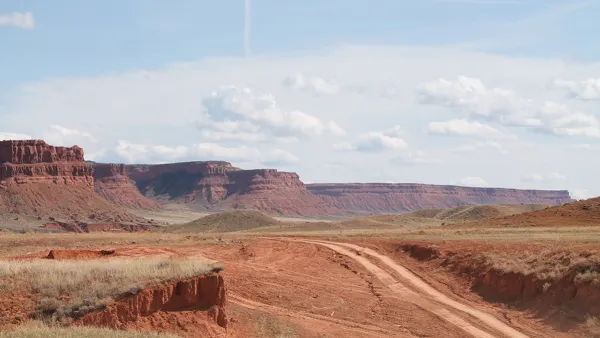
'Unprecedented' Sale of Public Land Concerns 'Even Some Republicans'
As the Department of the Interior auctions off 'vast swaths' of American wilderness to oil and gas companies, fiscal conservatives and conservationists alike wonder if it’s the right thing at the right time.
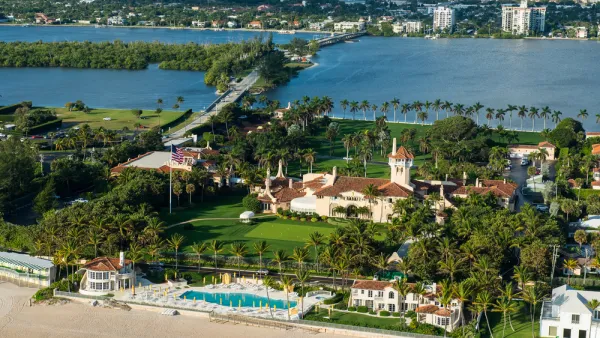
Why Zinke Gave Florida a Break on Drilling
After announcing the coast of almost all states would be open for oil and gas production, the Secretary of the Interior changed his mind on one after meeting with Trump’s favored candidate for Senate.
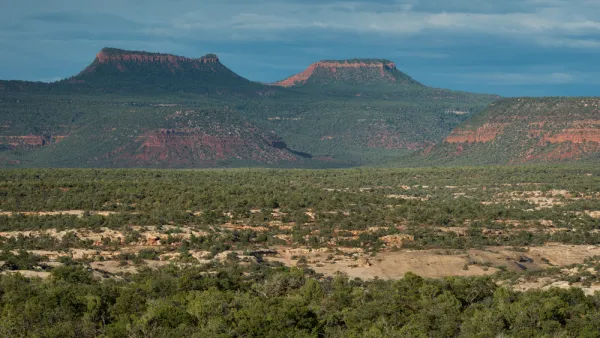
Interior Secretary Wants to Reduce Bears Ears National Monument
Interior Secretary Ryan Zinke, in an early decision to come of a nationwide review of national monument designations, recommends that President Trump reduce the size of Bears Ears National Monument.

The state-sanctioned urbicide of Austin
People don’t kill cities. Freeways do.

US to reduce Colorado River water deliveries to Mexico
A new Colorado Treaty amendment reduces Mexico’s Colorado River water allocation by 250,000 acre feet.

New Jersey’s second-largest city bans standalone data centers
Jersey City will continue to allow co-location facilities, such as those meant for research institutions that store their own data.

Amtrak not solely to blame for New Jersey commuter rail's unreliability, report finds
A new study from the Garden State Initiative found that NJ Transit’s budget grew 20% across a 4 year period, but reliability declined significantly over the same period.

EPA erases limits on planet-warming pollution from power plants
Under Monday’s plan, power plants would still have some limits on how much mercury, arsenic and other contaminants they can emit.

Phoenix announces new on-demand transit service, more frequent RAPID buses
Both new services will launch in October, and are part of Phoenix's Project Effective Access Solutions for Easing Congestion.

FREE Course: Walkable City 1: Why Walkability?
After describing his path towards focusing on walkability as the essence of good planning, Jeff Speck marches through his five principal reasons for making more walkable places.
Reinventing Malls: Planning Alchemy—Turning Gray Fields Into Gold
The course focuses on the opportunities and imperatives that shape reinvention of mall sites.

Eagle County Government
Harvard University Graduate School of Design
Nashville Planning Department
The Architects Foundation
University of Cincinnati Online
The Pocatello Development Authority
The Urban Renewal Agency of the City of Pocatello
Journal of the American Planning Association