Interior Secretary Ryan Zinke, in an early decision to come of a nationwide review of national monument designations, recommends that President Trump reduce the size of Bears Ears National Monument.


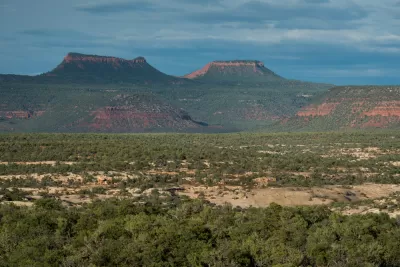
Jim Carlton reports: "Interior Secretary Ryan Zinke is recommending shrinking the size of Utah’s Bears Ears National Monument, in a move that could foreshadow the fate of other protected space under review by the new administration."
Secretary Zinke's recommendations will be sure to add fuel to the fire of "a long-running national debate over the appropriate use of vast public lands," according to Carlton. "Ranchers, miners and loggers have argued that land should be more open to industry and put under local control to help stimulate the economy. Others argue the land should be preserved for wildlife and as open space for future generations." Former President Obama designated Bears Ears a National Monument at the end of his second term, in December 2016. President Trump ordered a review of 26 national monuments, including Bears Ears, early in his new term
"The interior secretary said at a press conference Monday announcing his decision that he believes the monument should only include areas around objects of the most archaeological importance such as ancient cliff dwellings and rock drawings," according to Carlton. "Mr. Zinke is asking that the president handle the actual reduction, and called for a bill that would give the Navajo, the Ute and a coalition of other tribes that have ancestral and cultural ties to the Bears Ears land the same co-management role they had under the existing monument."
[The Wall Street Journal article might be behind a paywall for some readers.]
Read the full story: Interior Secretary Recommends Shrinking Utah Monument

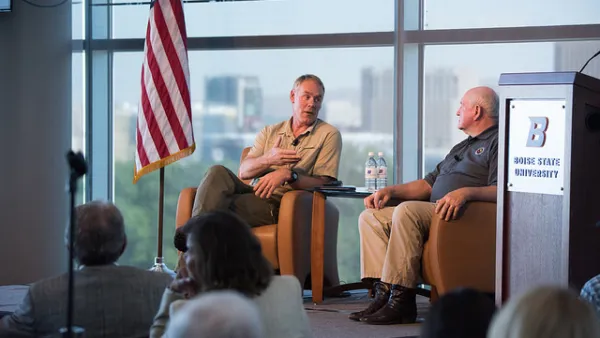
Under Zinke, Land in Montana Is Still Somehow Protected
Though he’s opened land all over the U.S. to industry, the Interior Secretary is actually pushing to conserve even more of his home state.
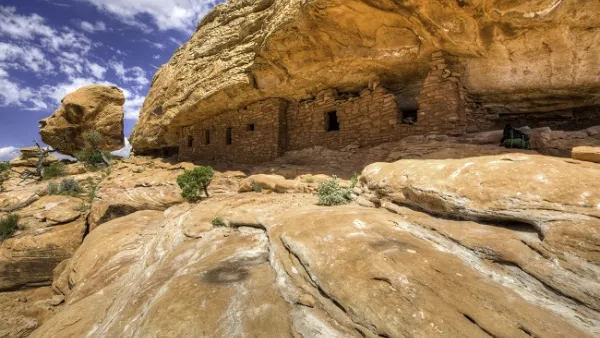
Trump to Drastically Reduce Two National Monuments in Utah
The controversy regarding the federal protection of public lands in the American west is heading into new territory as President Trump tests the limits of presidential powers.
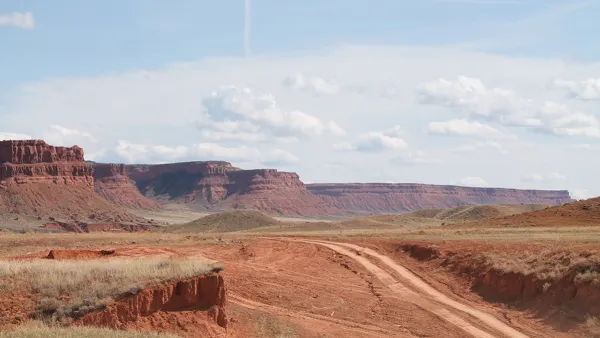
'Unprecedented' Sale of Public Land Concerns 'Even Some Republicans'
As the Department of the Interior auctions off 'vast swaths' of American wilderness to oil and gas companies, fiscal conservatives and conservationists alike wonder if it’s the right thing at the right time.

Planetizen Federal Action Tracker
A weekly monitor of how Trump’s orders and actions are impacting planners and planning in America.

Amtrak, CN end decades-long dispute with eight-year agreement
The new operating agreement establishes an updated framework for the companies to work together, including processes to resolve disputes.
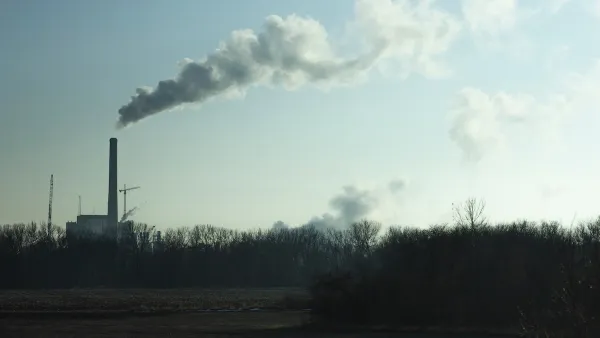
Nation's most wind-powered state turns to coal as data centers increase energy demand
For the first time in decades, Iowa has increased its generation of coal power.

Alabama scores up to $2.5 billion federal loan for largest infrastructure project in state’s history
The Mobile River Bridge and Bayway Project aims to ease congestion at Alabama’s worst bottleneck.

Trump is considering data centers on 6 states' public land — some state officials say they had no idea
If the administration approves the proposed projects, data center and data center-related developments will cover 17,600 acres of public land.

Despite court ruling, Trump is keeping nearly all wind projects in the US on hold
At least 110 wind energy projects have not heard from the government since a federal judge ruled that the Trump administration's freeze on wind turbine clearances was likely illegal.

FREE Course: Walkable City 1: Why Walkability?
After describing his path towards focusing on walkability as the essence of good planning, Jeff Speck marches through his five principal reasons for making more walkable places.
Reinventing Malls: Planning Alchemy—Turning Gray Fields Into Gold
The course focuses on the opportunities and imperatives that shape reinvention of mall sites.

KFH Group Inc.
Greater Baltimore Committee
Eagle County Government
The Architects Foundation
University of Cincinnati Online
The Pocatello Development Authority
The Urban Renewal Agency of the City of Pocatello