Infrastructure
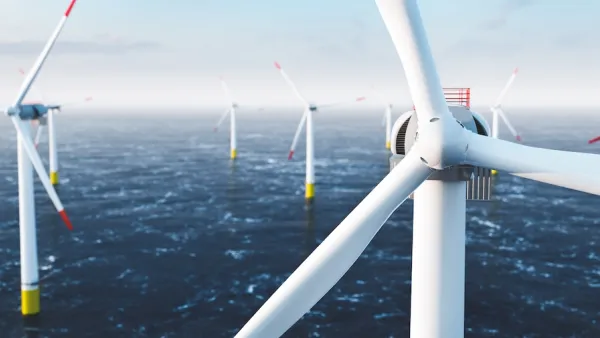
New York Offshore Wind Farm Offers Hope for Nascent Industry
The first commercial-scale offshore wind installation in the United States is powering roughly 70,000 homes in Long Island, New York.
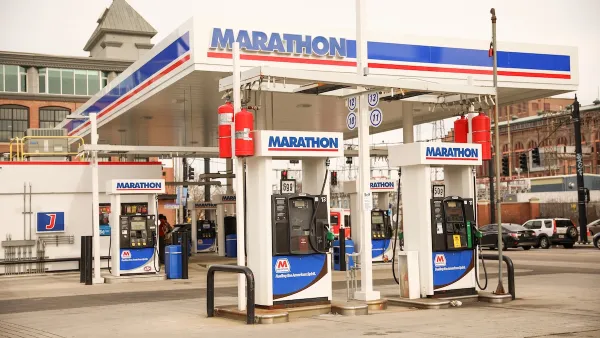
Providence Could Ban New Gas Stations
The city could prohibit the construction of new fueling stations within city limits to discourage driving and pave the way for more renewable transportation infrastructure.
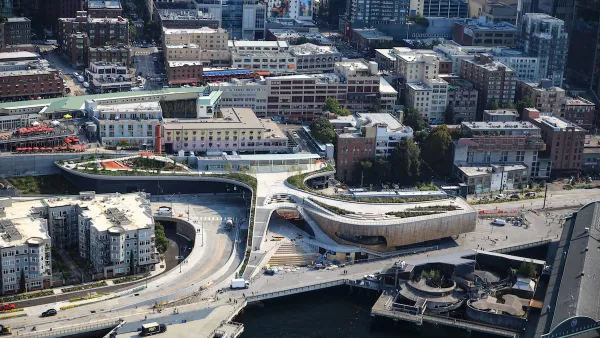
Seattle’s New Overlook Walk Offers Ample Park Space Near Pike Place Market
The elevated park and event space replaces part of the demolished Alaskan Way Viaduct, connecting the city’s famous Pike Place Market to the waterfront.
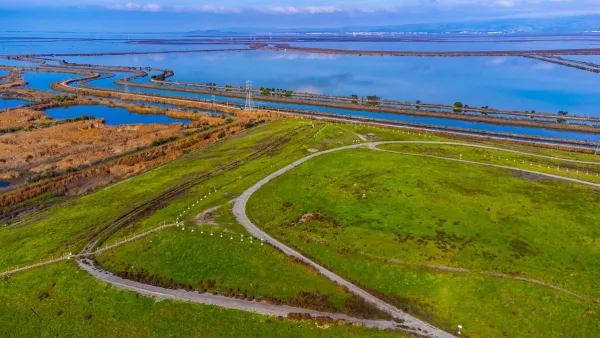
Insights and Innovations from the California Land Recycling Conference
The 2024 CLRC showcased innovative strategies for transforming brownfields into sustainable, equitable community assets, emphasizing environmental, social, and economic empowerment through land reuse.
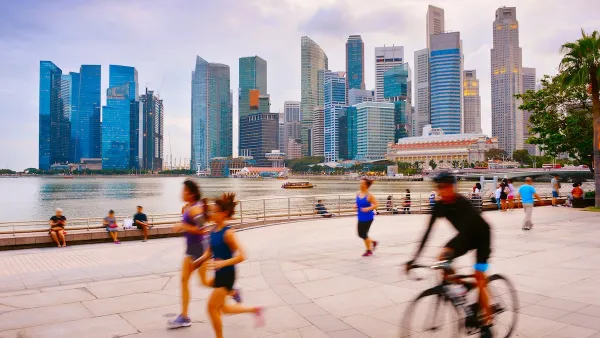
Singapore: A Model for Longevity and Quality of Life
Singapore's remarkable rise in life expectancy, driven by government policies on health, green spaces, and social cohesion, has earned it the distinction of being named the world's sixth “Blue Zone.”
How Much Does the President Influence Transportation Funding?
Whether it’s a preference for highway expansion, passenger rail, or bike infrastructure, different administrations can shift grantmaking priorities at the federal level.
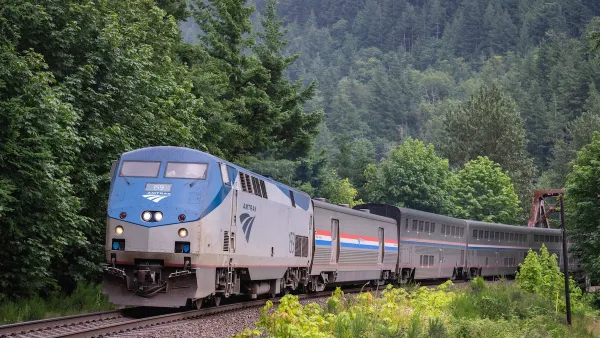
Feds Open $1B Grant Round for Intercity Rail
The Federal Railroad Administration will award funding to projects aimed at improving and building new intercity rail connections.
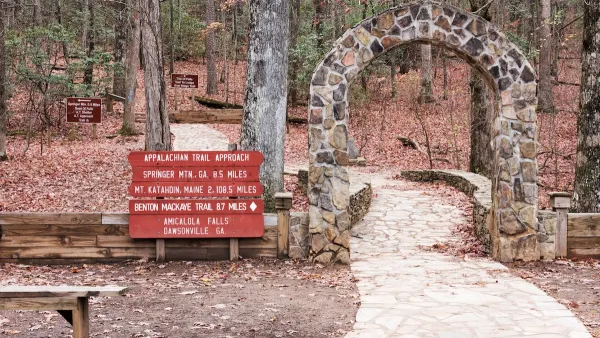
Hikers Take Solace: The Appalachian Trail Will Survive Hurricane Helene
Despite concerns and closures in the wake of Hurricane Helene, most of the trail appears to have suffered minor damage.
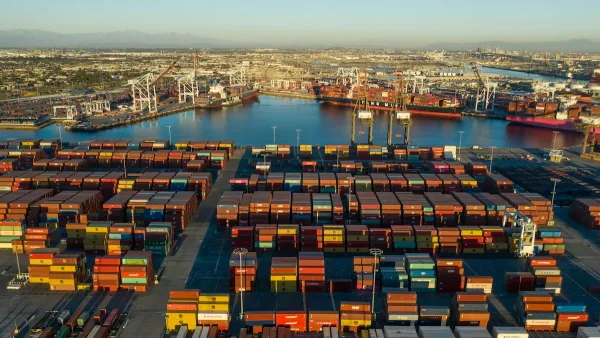
AI and 5G Could Advance Port Automation
A vision for the future of automated ports with AI and 5G: harnessing technology for enhanced efficiency, reliability, and safety.
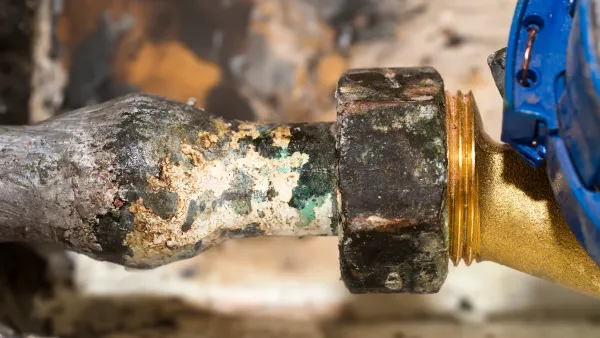
President Sets New Deadline for Replacing Lead Pipes
U.S. cities are charged with replacing dangerous lead pipes and improving drinking water quality within the next 13 years.
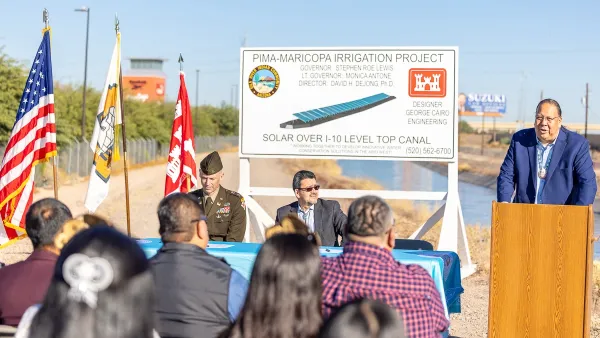
Arizona Native Community Launches First Solar-Over-Canal Project
Covering an irrigation canal with solar panels doubles its utility, producing renewable energy while protecting canal infrastructure and reducing water evaporation.
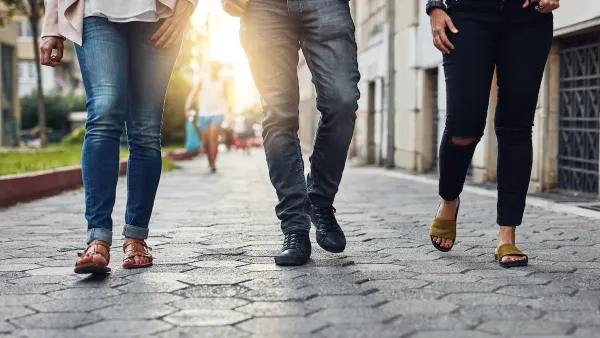
How “Walking Audits” Can Improve Neighborhood Mobility
A simple walk through your community can reveal infrastructure gaps and highlight where cities can make streets safer for pedestrians.
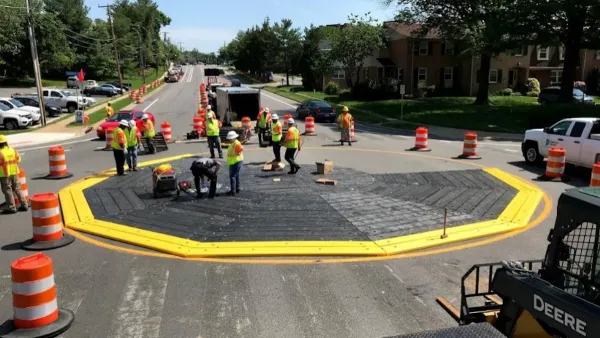
‘Modular Roundabouts’ Offer Quick-Build Traffic Safety Solution
The prefabricated roundabouts can be installed more quickly and at a much lower cost than traditional concrete traffic circles.
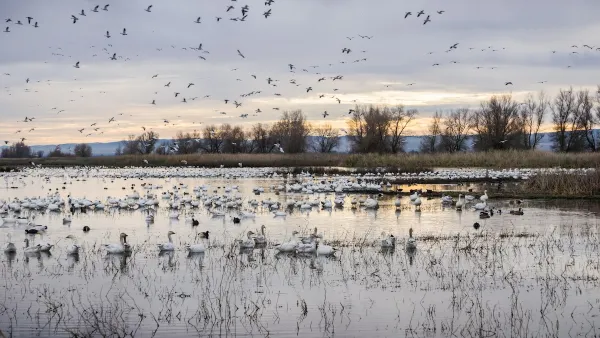
California Secures $360 Million in Federal Funding for Parks, Habitat Restoration, and Clean Transportation
This funding will drive transformative projects across the state, improving access to green spaces, protecting natural ecosystems, and advancing sustainable transportation initiatives.
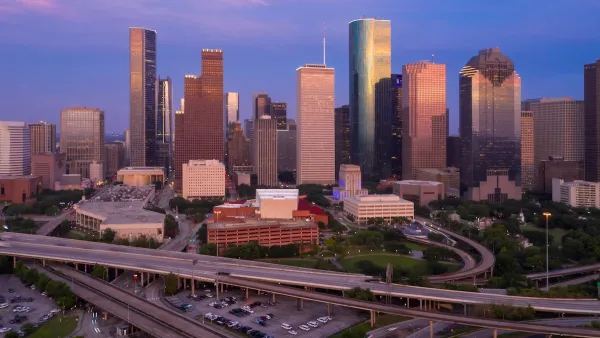
Reimagining the Space Beneath Houston’s Freeways
Opportunities abound for Houston to capitalize on otherwise unused space beneath its wide network of freeways.
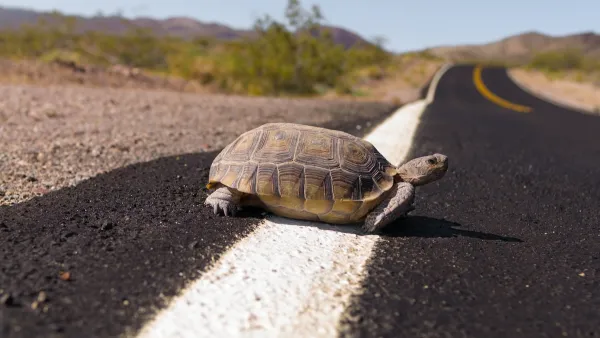
California Room to Roam Act Prioritizes Wildlife Connectivity
A new state law requires new development and infrastructure to minimize disruption to local wildlife habitats and migration patterns.
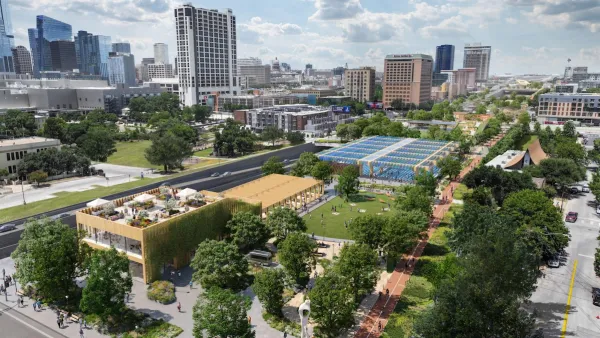
Austin’s Vision for I-35 Cap Parks Takes Final Shape
The city’s plan includes parks, entertainment pavilions, commercial space, sports fields, and other facilities over 30 acres of deck parks spanning a sunken Interstate 35.
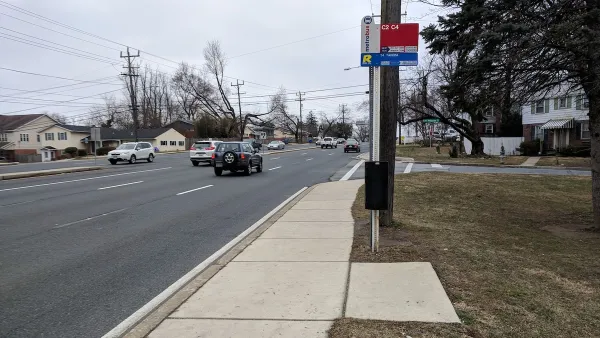
DC’s Hottest Neighborhoods Have the Least Shade
Areas most exposed to extreme heat also tend to lack bus shelters and benches at bus stops.
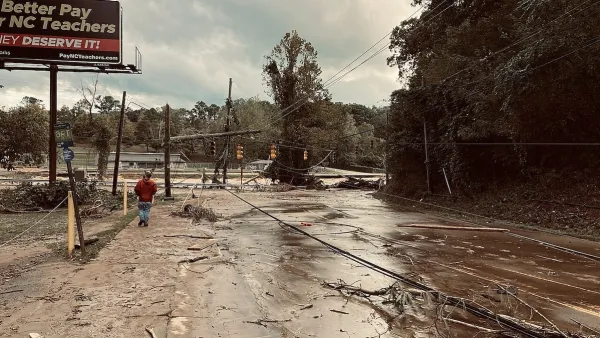
‘Climate Havens’ Not Safe From Hurricane Helene’s Destruction
Parts of North Carolina previously considered immune to the impact of hurricanes experienced historic flooding in the aftermath of the storm.
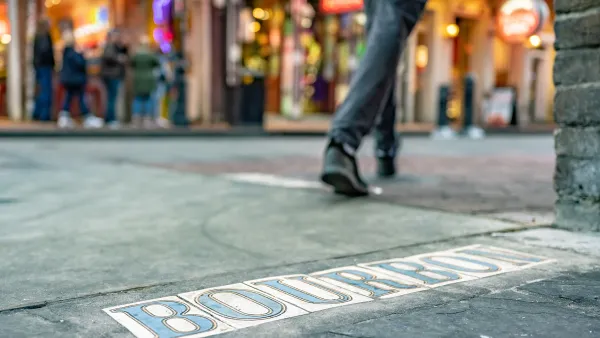
New Orleans Makes Push for Accessibility Improvements Ahead of Super Bowl
Major sporting events like the Olympics and the Super Bowl can serve as catalysts for major changes in transportation infrastructure and accessibility.

FREE Course: Walkable City 1: Why Walkability?
After describing his path towards focusing on walkability as the essence of good planning, Jeff Speck marches through his five principal reasons for making more walkable places.
Reinventing Malls: Planning Alchemy—Turning Gray Fields Into Gold
The course focuses on the opportunities and imperatives that shape reinvention of mall sites.

City of Charlotte
City of Rosemead
Rutgers University, Edward J. Bloustein School of Planning and Public Policy
University of Michigan School for Environment and Sustainability (SEAS)
Hunter College, City University of New York (CUNY)
The Architects Foundation
University District Partnership
City of Cambridge
The Pocatello Development Authority









