The plan establishes a ‘toolkit’ of improvements to make the bus riding experience more reliable, comfortable, and accessible.


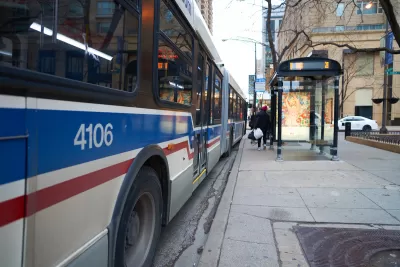
The Chicago Transit Authority (CTA) and Chicago Department of Transportation (CDOT) released a framework for improving bus service through better infrastructure such as bus stops and sidewalks, more accessible and comfortable shelters, and signal timing to improve bus reliability and speeds.
According to a press release from the city, “This plan supports key transportation goals of Mayor Brandon Johnson’s administration, including improving bus reliability and coordination of infrastructure investments to improve transit.” The plan includes 19 options for street improvements to make the right-of-way and bus stops safer, more accessible, and more comfortable for bus riders.
“Getting to the bus, the wait at the bus stop, and the ride on the bus are all impacted by various aspects of streetscape design and signal systems and this plan will help us better plan and redesign these elements to meet today’s transit needs and ensure that public transit bus services remain the most equitable, affordable and accessible means of transit in all neighborhoods throughout the City,” said CTA President Dorval R. Carter Jr.
FULL STORY: CTA and CDOT Release First-Ever “Better Streets for Buses Plan”

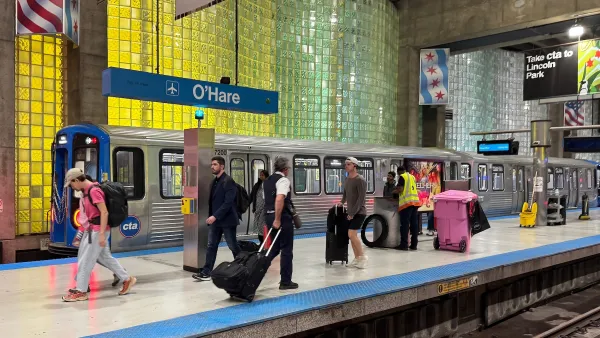
Costumed Chicagoans try to 'Catch That Train' in new viral trend
Residents are donning costumes and running to board CTA trains in a whimsical nod to the age-old problem of missing your train.
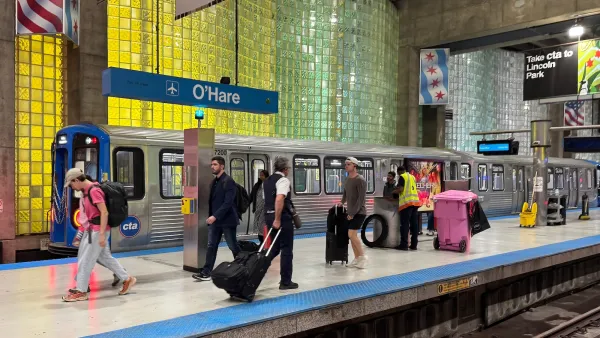
CTA underestimated Chicago transit ridership by 19 million trips
The agency is moving from using farebox data and manual video reviews to automatic counters that more accurately measure the total number of riders, whether or not they pay full fares.
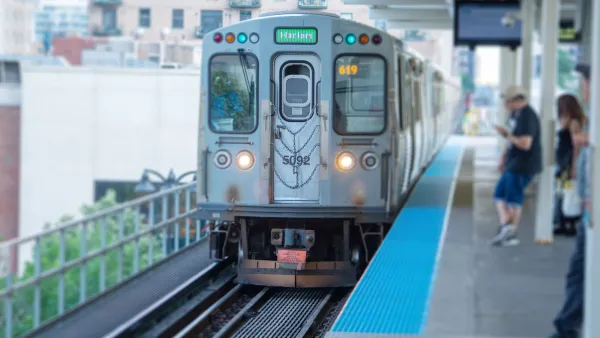
Chicago Transit Authority to Boost Policing Hours by 75%
In December, federal officials tasked the CTA to develop an enhanced security plan or risk losing federal funding.

The state-sanctioned urbicide of Austin
People don’t kill cities. Freeways do.

US to reduce Colorado River water deliveries to Mexico
A new Colorado Treaty amendment reduces Mexico’s Colorado River water allocation by 250,000 acre feet.

New Jersey’s second-largest city bans standalone data centers
Jersey City will continue to allow co-location facilities, such as those meant for research institutions that store their own data.

Amtrak not solely to blame for New Jersey commuter rail's unreliability, report finds
A new study from the Garden State Initiative found that NJ Transit’s budget grew 20% across a 4 year period, but reliability declined significantly over the same period.

EPA erases limits on planet-warming pollution from power plants
Under Monday’s plan, power plants would still have some limits on how much mercury, arsenic and other contaminants they can emit.

Phoenix announces new on-demand transit service, more frequent RAPID buses
Both new services will launch in October, and are part of Phoenix's Project Effective Access Solutions for Easing Congestion.

FREE Course: Walkable City 1: Why Walkability?
After describing his path towards focusing on walkability as the essence of good planning, Jeff Speck marches through his five principal reasons for making more walkable places.
Reinventing Malls: Planning Alchemy—Turning Gray Fields Into Gold
The course focuses on the opportunities and imperatives that shape reinvention of mall sites.

Eagle County Government
Harvard University Graduate School of Design
Nashville Planning Department
The Architects Foundation
University of Cincinnati Online
The Pocatello Development Authority
The Urban Renewal Agency of the City of Pocatello
Journal of the American Planning Association