Many states and cities around the country voted on November 5, 2019 to decide matters related to the future of the built environment.



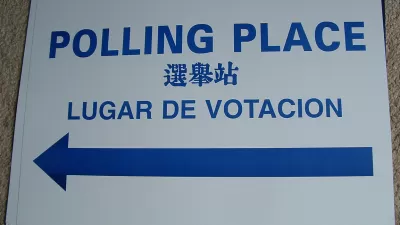
While the big, sweeping hot takes in the wake of yesterday's election have focused on the implications to next year's presidential election, there were a lot of votes flying under the radar with significant implications for states and municipalities. Planetizen has rounded up election results, and we'll keep updating these stories throughout he week as more results come in.
Albuquerque General Obligation Bond (Homeless Shelter Funding)
Voters in Albuquerque approved a $128.5 million general obligation bond that includes $14 million in funding for the city to construct a 24/7 homeless shelter.
Albuquerque Transit Funding Gross Receipts Tax
Voters in Albuquerque approved the extension of a .25 percent gross receipts tax that funds transportation (roads, transit, and trails) in the city. According to an article by Mischa Wanek-Libam, at least 38 percent of that revenue must be dedicated to public transit.
Cincinnati Issue 22 (Bus System Tax)
Voters in Hamilton County approved Issue 22 with more than two-thirds of the vote. Issue 22 both indicates support for repealing a .3 percent earnings tax and clears the way for another vote on a countywide sales tax increase to fund transit. That election would take place in 2020.
Colorado Water Supply
Proposition DD would legalize sports gambling in Colorado and tax the new industry to generate revenue for water infrastructure projects in the state. Proposition DD is running slightly ahead in a vote that is too close to call as of this writing.
Durham Affordable Housing Bond
Voters in Durham, North Carolina overwhelmingly approved a $95 million bond to fund affordable housing projects and programs in the city.
Houston MetroNext
Houston looks like it approved a $3.5 billion bond to fund the MetroNext transit plan, with more than two-thirds of voters supporting he bond referendum with a few ballots left to count. For context, see Planetizen coverage of the bond referendum from earlier this week.(Update: Houston Public Media is reporting that the bond referendum did, in fact, pass.)
Jersey City Airbnb Regulations
Jersey City voters approved stricter regulations for short-term rental companies like Airbnb. The New York Times provides in-depth reporting on the dynamics behind that vote.
Lake County, Ohio Transit Funding Sales Tax
Voters in lake County, Ohio approved a .25 percent sales tax increase to raise revenue to fund Laketran public transit services—mostly dial-a-ride services but new corridors designed to improve access to jobs.
San Francisco Proposition A (Affordable Housing Bond)
San Francisco voters narrowly approved Proposition A with the two-thirds vote necessary to approve the bond referendum. The $600 million bond will fund affordable housing projects in the city.
San Francisco Proposition D (Ride-Hailing Tax)
San Francisco voters narrowly approved Proposition D, which will implement a new tax on ride-hailing trips on apps like Lyft and Uber. The tax revenue will fund public transit in the city and county of San Francisco.
San Francisco Proposition E (Zoning Approval for Affordable and Workforce Housing)
San Francisco voters overwhelmingly approved Proposition E, which eases the approvals process for affordable housing projects and projects designed to house educators.
Seattle City Council
The Seattle City Council election was characterized as a battle for the "soul of the city," with public transit, Amazon, and rapid growth very much the subtext for the choices made by voters among the available candidates for a historic number of vacant City Council seats.
Washington State Initiative 976
Washington voters appear to have approved Initiative 976, which will cap car tab fees used to fund transportation in the state at a flat rate of $30.
November 2018 Results
For a little historical context on planning-related elections, see also the Planetizen roundup of election results from the November 2018 election.

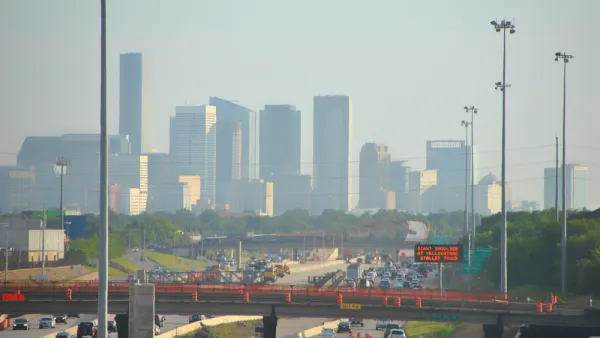
Opinion: Houston Should Vote Yes for MetroNext to Build Transit and Clean the Air
The executive director of Environment Texas makes the case for public transit as a key tool in improving air pollution in and around Houston. Houston voters will vote on the MetroNext bond referendum today.
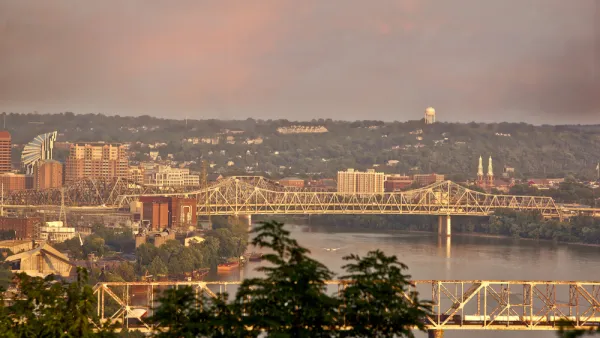
More of the Same From Ohio's Post-Gas Tax Funding Decisions
Just days after the state approved a significant increase on its gas tax, and the state legislature is focusing much more on road projects than public transit.
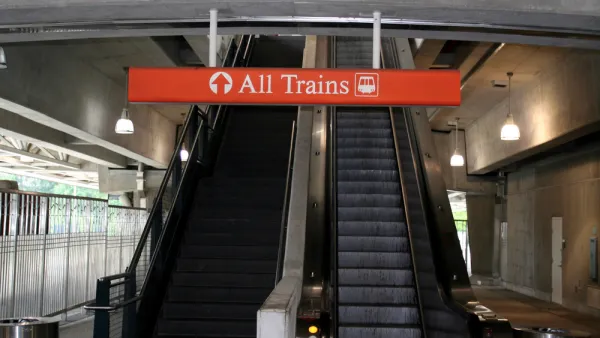
Atlanta Has Big Transit Plans
Atlanta needs federal funding to make its light rail and bus service dreams a reality, but it already has $2.5 billion in sales tax revenue to work with.

The state-sanctioned urbicide of Austin
People don’t kill cities. Freeways do.

US to reduce Colorado River water deliveries to Mexico
A new Colorado Treaty amendment reduces Mexico’s Colorado River water allocation by 250,000 acre feet.

New Jersey’s second-largest city bans standalone data centers
Jersey City will continue to allow co-location facilities, such as those meant for research institutions that store their own data.

Amtrak not solely to blame for New Jersey commuter rail's unreliability, report finds
A new study from the Garden State Initiative found that NJ Transit’s budget grew 20% across a 4 year period, but reliability declined significantly over the same period.

EPA erases limits on planet-warming pollution from power plants
Under Monday’s plan, power plants would still have some limits on how much mercury, arsenic and other contaminants they can emit.

Phoenix announces new on-demand transit service, more frequent RAPID buses
Both new services will launch in October, and are part of Phoenix's Project Effective Access Solutions for Easing Congestion.

FREE Course: Walkable City 1: Why Walkability?
After describing his path towards focusing on walkability as the essence of good planning, Jeff Speck marches through his five principal reasons for making more walkable places.
Reinventing Malls: Planning Alchemy—Turning Gray Fields Into Gold
The course focuses on the opportunities and imperatives that shape reinvention of mall sites.

Eagle County Government
Harvard University Graduate School of Design
Nashville Planning Department
The Architects Foundation
University of Cincinnati Online
The Pocatello Development Authority
The Urban Renewal Agency of the City of Pocatello
Journal of the American Planning Association

