Virginia
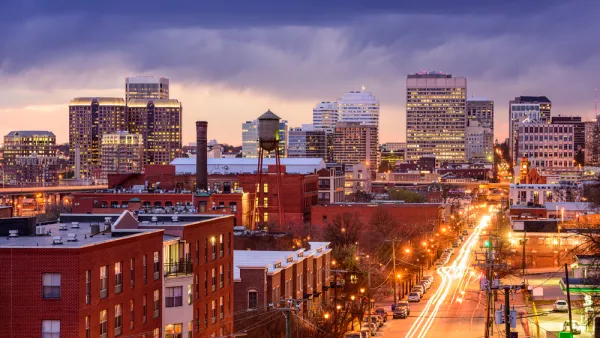
Richmond Weighing How to End Parking Requirements
A series of town hall meetings will allow the public a chance to give feedback about zoning changes in Richmond, Virginia that would include the end of parking requirements.
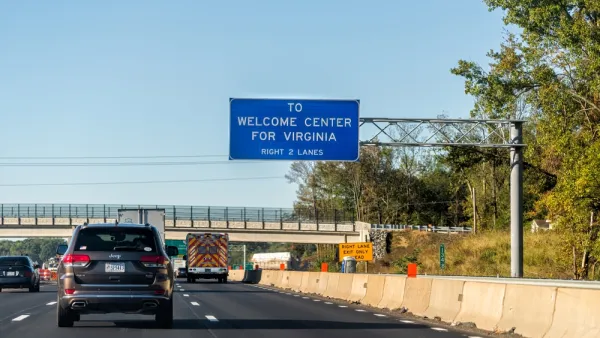
Virginia Using Variable Speed Limits To Reduce Congestion
Experts say reducing speed limits based on traffic volumes can relieve congestion and improve the flow of traffic.
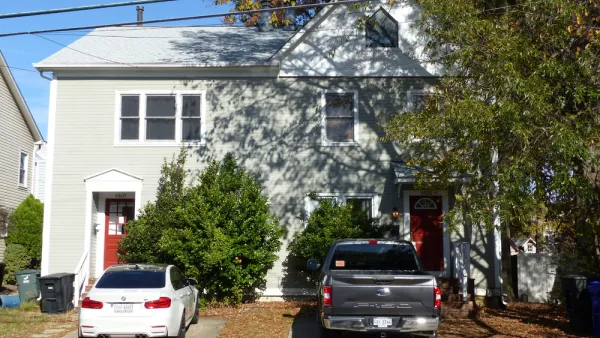
Missing Middle Housing as an Antidote to Redlining
New research suggests that missing middle housing could help make more affordable housing available to Arlington residents, particularly Black households historically blocked from homeownership in many neighborhoods.
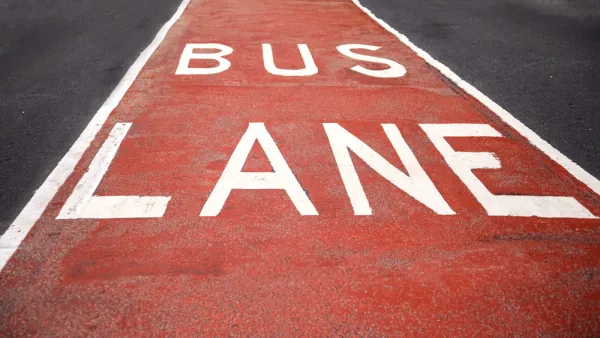
The Benefits of Bright Red Bus-Only Lanes, Explained
Richmond, Virginia is adding red paint to 2.5 miles of bus-only lanes. An article in the local newspaper explains why the change is more than an aesthetic consideration.
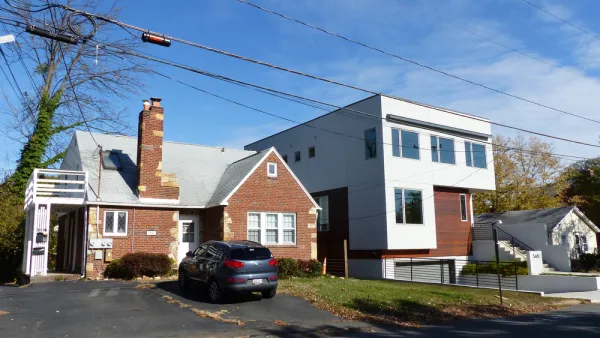
Arlington County Struggles To Meet Affordable Housing Goals
As the region’s population swells and demand for housing grows, Arlington County considers zoning reform to boost its affordable housing stock.
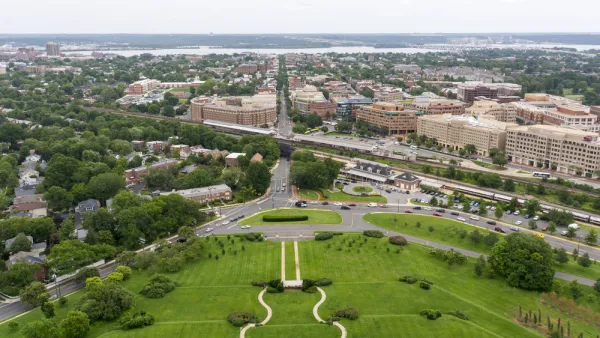
Alexandria To Consider New Density Bonus
City leaders hope the proposed change will boost the city’s supply of affordable housing.
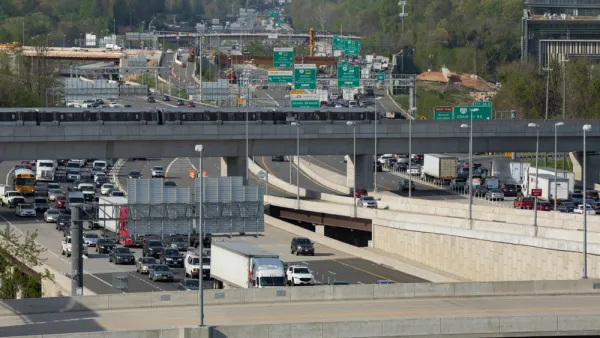
D.C. Region Sets Goal to Reduce GHG Emissions From Transportation 50% by 2030
Transportation is the largest source of greenhouse gas emissions in the D.C. region—and the rest of the country. The D.C. region is committing to drastic actions to change their ways, however.
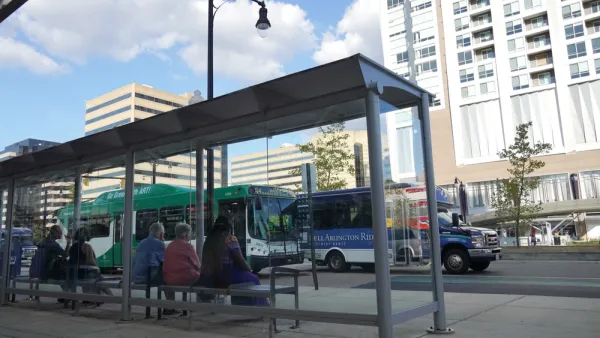
The Success Story of Alexandria’s Free Buses
Thanks to state and regional funding, the city eliminated fares while making service improvements.
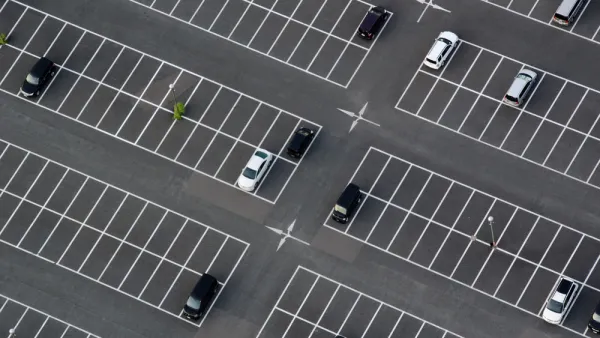
Depave Paradise: Reclaiming Parking Lots for Park Space
The promoters of a new park hope to provide a model for how replacing surface parking lots with green space can mitigate urban heat and boost urban biodiversity.
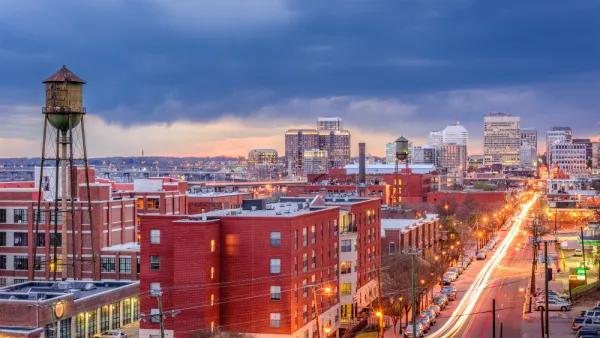
Mapping Richmond’s Displaced Communities
A new project catalogs the city’s history of displacement and its impact on communities of color.
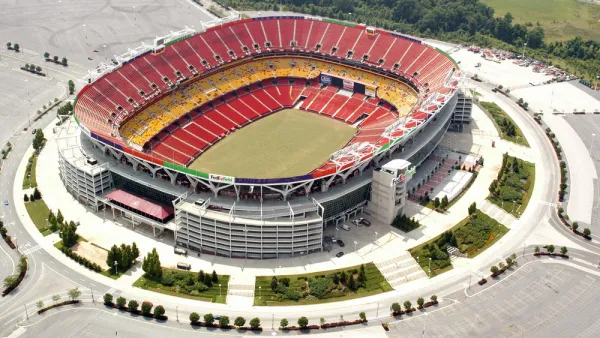
Washington Commanders Looking to the Periphery for a New Place to Play
The suburbanization of the National Football League continues.
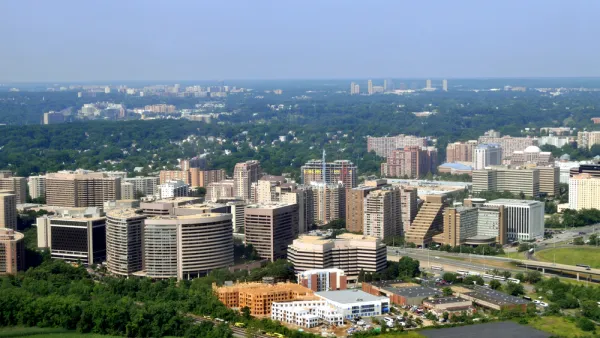
Zoning Reform Gains Momentum in Northern Virginia
Arlington County and Alexandria are moving forward with actions that could potentially launch a new era of planning and development in their respective communities.
Fairfax County, Virginia Releases Climate Adaptation Plan
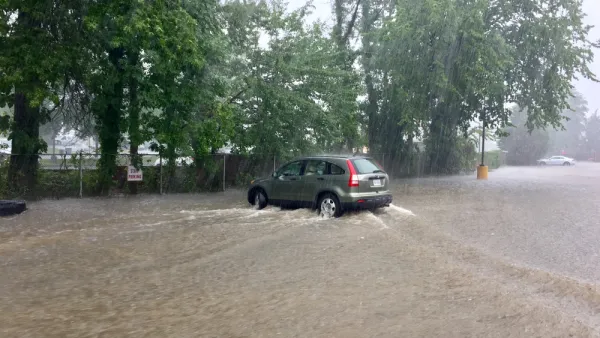
Fairfax County, Virginia estimates that climate change caused $25 million in damages from 2010 to 2019. A new plan is meant to prevent worse losses in the years and decades to come.

How a Staircase Requirement Can Impact Housing Affordability
Critics of the double-staircase mandate for multi-story buildings argue that it does little to improve fire safety while raising the costs of housing construction and limiting community interaction.
The New Normal: Less Transit, More Congestion
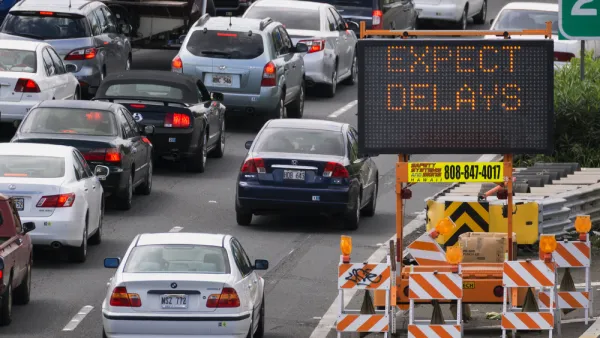
With transit systems still far below historic levels, and congestion not budging, the worst effects of an automobile dependent nation fall on the environment and low-income households.

States Have the Power To Regulate Autonomous Vehicles—But Most Don’t
States tend to default to national standards for regulating AVs, but federal officials have been slow to implement rules directed specifically at autonomous vehicles.
Report: Northern Virginia Transportation Plans Will Induce More Driving
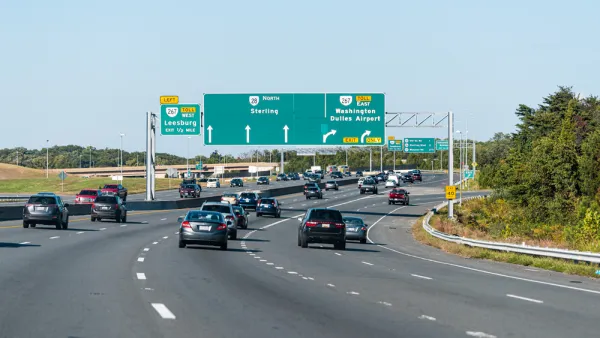
The Northern Virginia Transportation Authority’s plans to widen and expand the region’s highways will lead to a sharp increase in vehicle miles driven, a new study shows.
Amazon’s Housing Initiative Does Little for Low-Income Workers
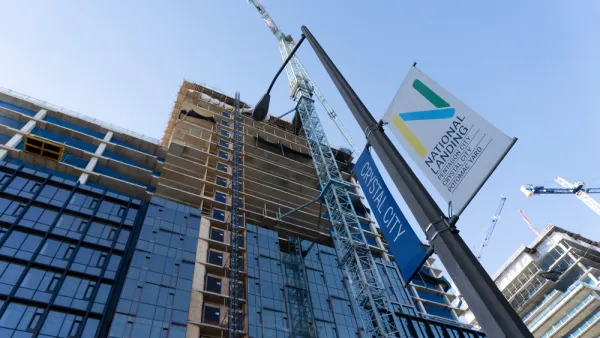
Of the thousands of units Amazon has secured as part of its pledge to create affordable housing near its new headquarters, just over 200 are reserved for the lowest-income renters.
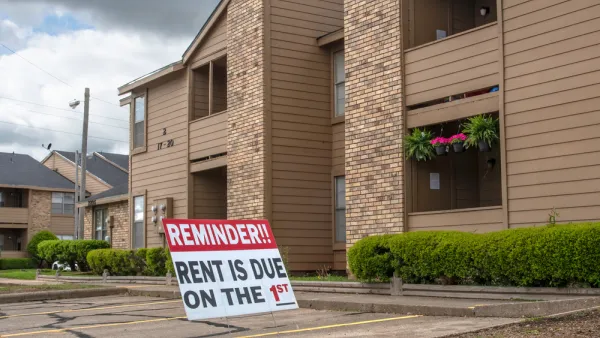
Concerns Mount as Pandemic Eviction Protections Expire
With eviction protections in Virginia set to expire at the end of June, advocates warn that an “eviction tsunami” could still sweep up the state’s renters.
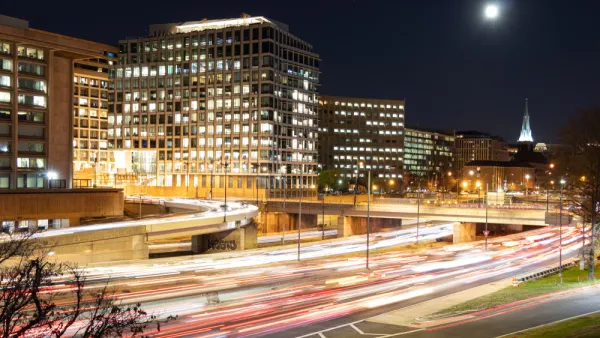
Car Commutes and Congestion Are Back in D.C.
Low transit ridership and a more dispersed daytime workforce are creating new headaches for car commuters in the D.C. area—in a story likely to be repeated all over the country as work returns to the office.

FREE Course: Walkable City 1: Why Walkability?
After describing his path towards focusing on walkability as the essence of good planning, Jeff Speck marches through his five principal reasons for making more walkable places.
Reinventing Malls: Planning Alchemy—Turning Gray Fields Into Gold
The course focuses on the opportunities and imperatives that shape reinvention of mall sites.

City of Rosemead
Rutgers University, Edward J. Bloustein School of Planning and Public Policy
One Hundred Miles
University of Michigan School for Environment and Sustainability (SEAS)
Hunter College, City University of New York (CUNY)
The Architects Foundation
City of Cambridge
Montrose County
The Pocatello Development Authority









