As emergency ordinances passed during the pandemic are set to expire, county officials will consider making some pandemic dining accommodations permanent.


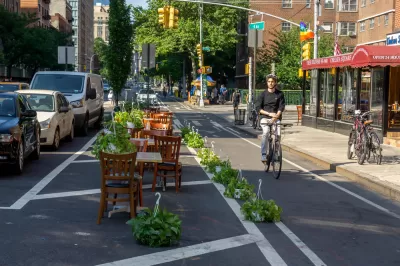
After expediting the permitting process for outdoor dining during the pandemic, Arlington County wants to "explore ways to make it easier for restaurants to establish or expand outdoor dining after the pandemic ends," reports Joe DeVoe. According to a county report, "staff will be looking to see if some aspects of the program could be worked into the regular outdoor seating approval process."
The report adds, "staff will be working to commence a strategic exploration of whether certain flexibilities provided as part of the TOSA program initiated in response to the COVID-19 emergency should be incorporated into established regulatory provisions for outdoor dining." The process "will have a robust engagement element and would also include public hearings prior to the County Board’s consideration of any recommended policy or regulatory changes that might result from the study."
"When the county passed a continuity of governance emergency ordinance last spring to keep government and business operations afloat, it said any flexibility allowed by the ordinance, such as TOSAs, would expire six months after the declared end of the emergency. But in reality, the document’s section on TOSAs said they expire with the declared end of the emergency." Now, Kate Bates, President and CEO of the Arlington Chamber of Commerce, urges the county "to get cracking on the study of permanent options" so restaurant owners can confidently invest in outdoor dining infrastructure for the future.
Read the full story: County to Study Ways of Making Temporary Outdoor Seating Areas Permanent


Americans Have Fallen in Love With Outdoor Dining
Started as a response to pandemic restrictions, al fresco dining has taken off as customers, restaurant owners, and city officials realize the social and economic benefits of outdoor dining spaces.
Opinion: Keep Outdoor Dining Without Thwarting Creativity
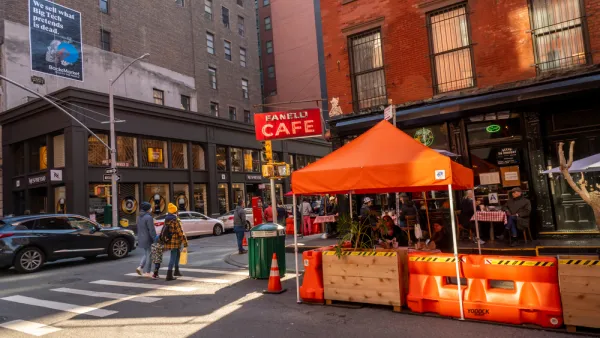
While New York City's effort to make its outdoor dining program permanent is a welcome reimagining of public space, some worry that regulations will reduce design diversity and increase costs for small restauranteurs.

San Diego Approves Permanent Outdoor Dining
The city's new regulations pave the way for making the pandemic experiment a permanent fixture.

Planetizen Federal Action Tracker
A weekly monitor of how Trump’s orders and actions are impacting planners and planning in America.

Northwest rail fans eager for Sept. 30 debut of Amtrak’s Airo fleet
Get ready for that new train smell and more seats. But they won’t go faster or run more frequently on the Cascades route in Washington and Oregon.
Alabama scores up to $2.5 billion federal loan for largest infrastructure project in state’s history
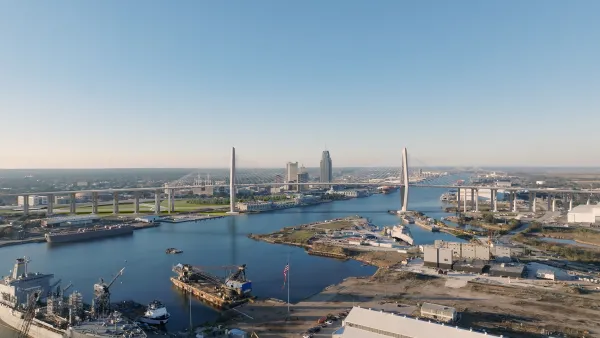
The Mobile River Bridge and Bayway Project aims to ease congestion at Alabama’s worst bottleneck.

Novel study finds extreme state-by-state disparity in housing construction timelines
The first comprehensive working paper on U.S. construction timelines also found that the permitting process for multi-family projects has slowed nationwide.

California may destroy its beaches trying to save homes from El Niño
Boulders and seawalls can protect homes from waves, but ultimately destroy sandy beaches.

California high-speed rail accomplishes only one legislative goal in 2026
The majority of the agency's failed pitches were never developed into written proposals.

FREE Course: Walkable City 1: Why Walkability?
After describing his path towards focusing on walkability as the essence of good planning, Jeff Speck marches through his five principal reasons for making more walkable places.
Reinventing Malls: Planning Alchemy—Turning Gray Fields Into Gold
The course focuses on the opportunities and imperatives that shape reinvention of mall sites.

City of Thousand Oaks
City of Wisconsin Rapids
Harvard University Graduate School of Design
The Architects Foundation
University of Cincinnati Online
Northern Illinois Transit Authority (NITA)
The Pocatello Development Authority
The Urban Renewal Agency of the City of Pocatello