Pedestrian infrastructure
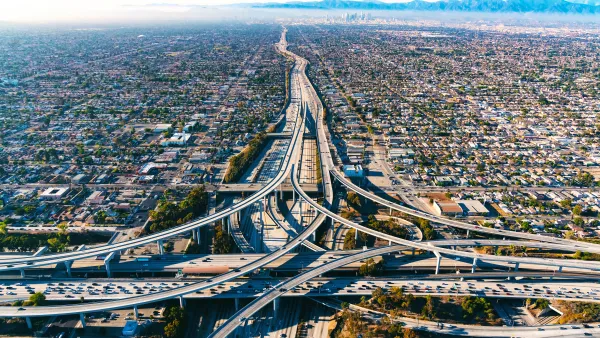
GAO: Reconnecting Communities Lacks Clear Goals and Metrics
The program, aimed at supporting highway removals and other projects that work to reverse the impacts of freeway construction, is light on accountability and performance measures, according to a new report.
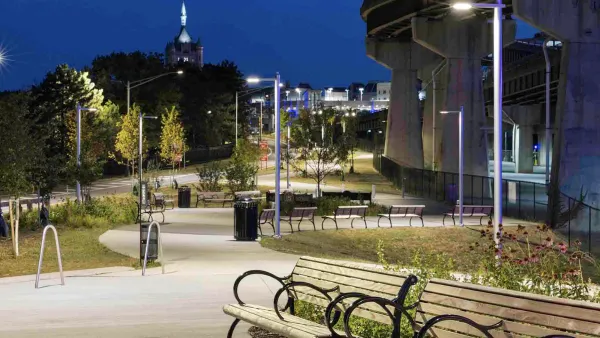
Albany Freeway Ramp Reimagined as Park, Trail
An underused freeway exit ramp is now an inviting linear park that connects the city to the Hudson River.
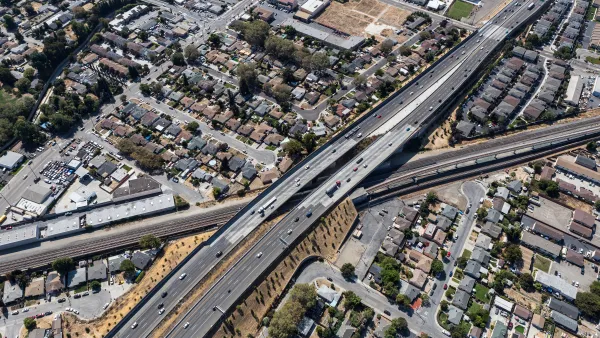
The Limitations of ‘Reconnecting Communities’
The Biden administration has pledged to correct the damage imposed on communities by highways and infrastructure, but many projects are only committing to minor improvements, not transformative changes.
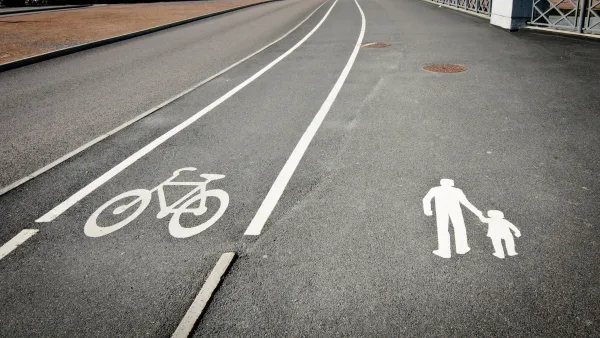
The Best New Complete Streets Policies, Ranked
After a pandemic hiatus, Smart Growth America has resumed creating an annual list of cities that are making the strongest commitments to improving street safety and making roads accessible and comfortable for everyone.
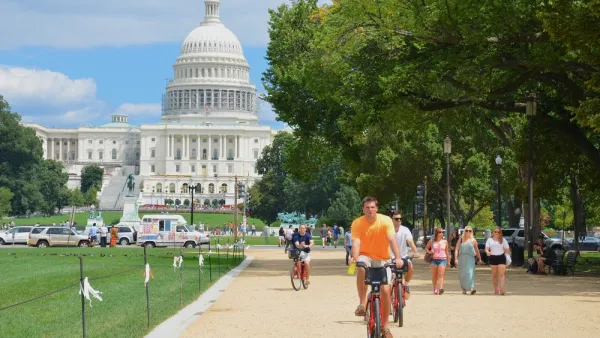
FHWA Issues New Pedestrian, Bike, Micromobility Guidance
The updated federal guidelines incorporate new policies created in the 2021 infrastructure law.
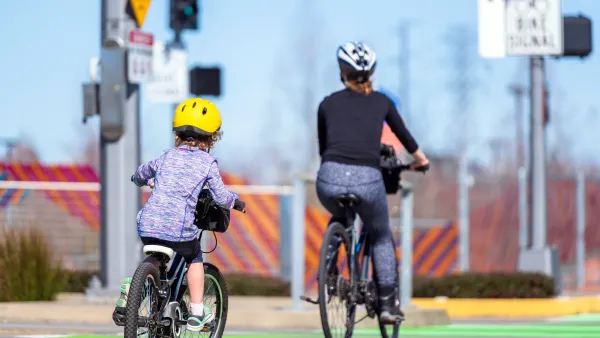
Essay: How Poor Pedestrian Planning Harms Families
A lack of safe bike and pedestrian infrastructure can drive young families away from places that don’t accommodate car-free residents.
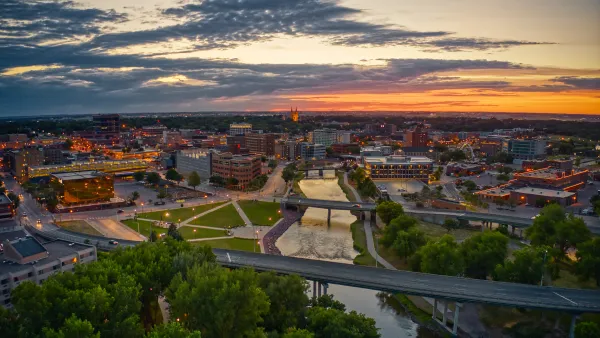
Sioux Falls To Update Bike and Pedestrian Plans
The South Dakota city wants to encourage more biking and develop a comprehensive bike trail network.
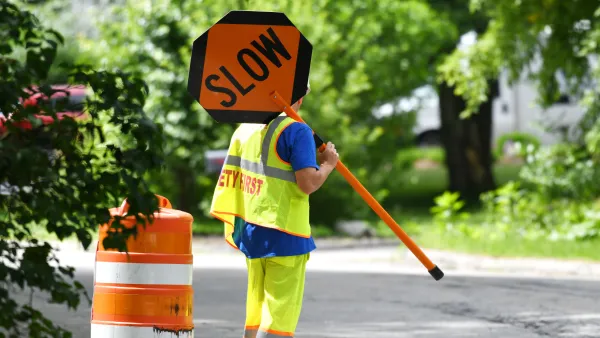
How Cities are Spending Safe Streets Funds
New federal grant programs are injecting millions of dollars into road safety projects in an effort to stem the alarming growth of traffic deaths on U.S. roads.
U.S. Road Deaths Keep Rising
Traffic safety advocates urge cities and states to lower speed limits and improve pedestrian infrastructure to stem the growth in traffic deaths and injuries.
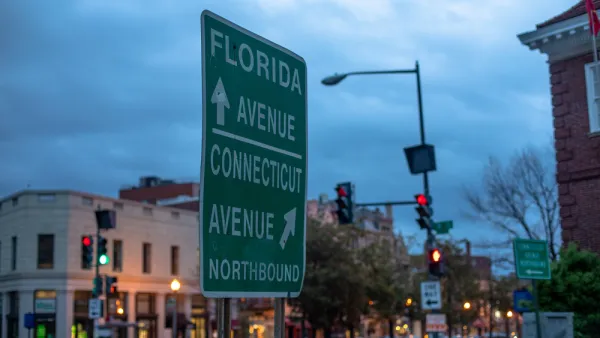
D.C. Rolls Back Connecticut Avenue Bike Lane Plan
After receiving complaints about parking loss and loading zone access, the city will consider revisions to a plan to make Connecticut Avenue safer for people on bikes, pedestrians, and transit users.
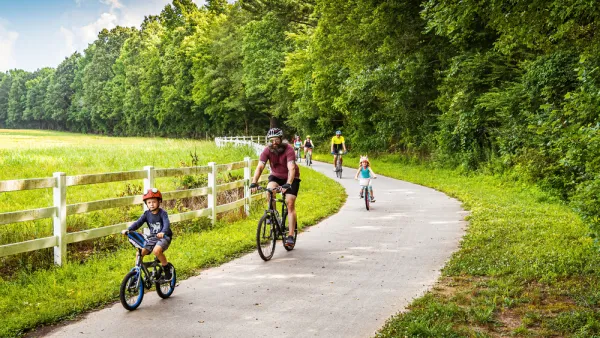
The East Coast Greenway Is Stitching Together a 3,000-Mile Trail Network
The ever-evolving greenway connects biking and walking trails from Maine to Florida.
How Little Do Americans Walk?
Despite the high cost of car ownership, Americans walk less than almost any other nation, even for short trips that could be done on foot.
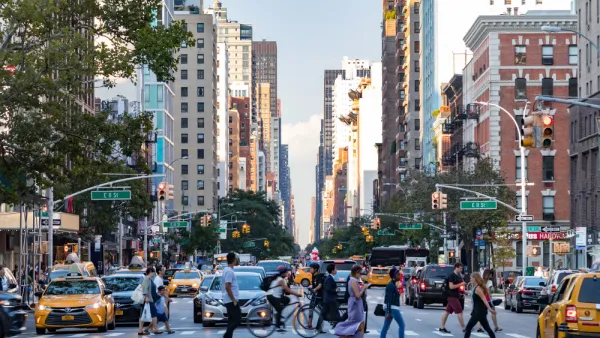
Tracking Mobility in New York City
A new program uses sensors to detect how people move and using which modes, but road safety advocates argue the city already knows how to make streets safer for vulnerable users.
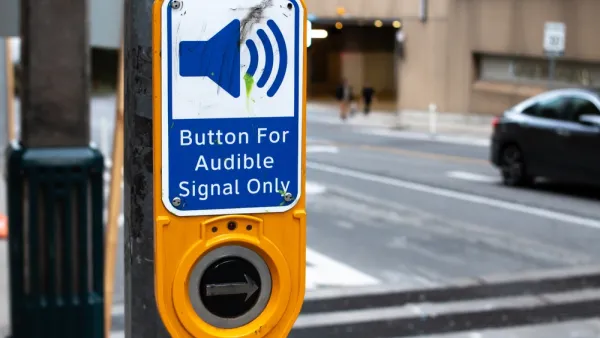
Chicago Found Liable for ADA Violations
A federal judge ruled that the city fails to provide “meaningful access” to many of its streets due to a lack of infrastructure for pedestrians with vision impairments at most of the city’s intersections.
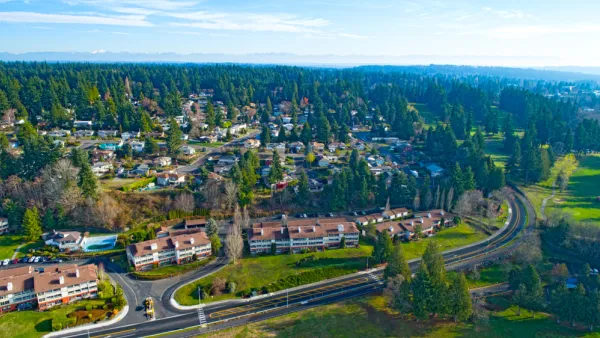
Checking in on Washington State’s Complete Streets Law
A new requirement that mandates bike and pedestrian improvements on state road projects is starting to pay off with real commitments to Complete Streets infrastructure.
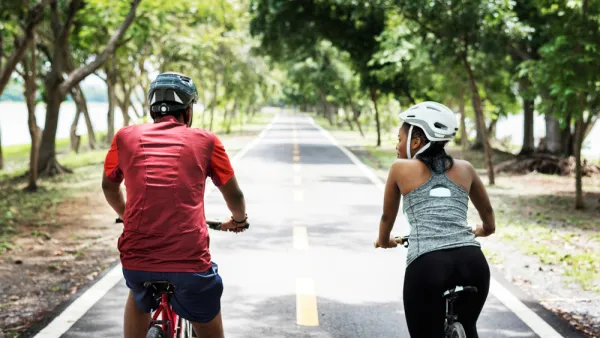
‘Arrested Mobility’: How Transportation-Related Laws Impact Black Americans
A far-reaching new study highlights the disproportionate effect of biking and walking laws on the mobility of Black Americans.
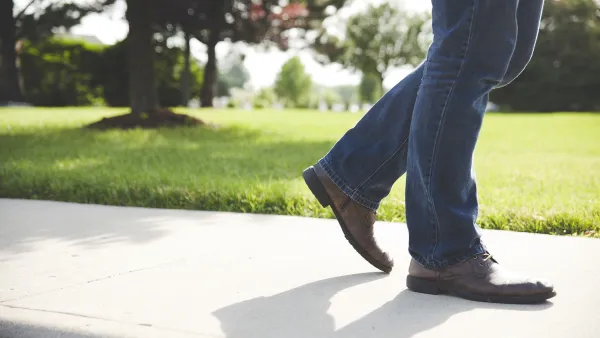
Mapping Sidewalks for Improved Connectivity
A new tool uses aerial image recognition to map a city’s sidewalks and crosswalks. Its developers hope it will aid in creating a more comprehensive understanding of pedestrian networks and where improvements are needed.
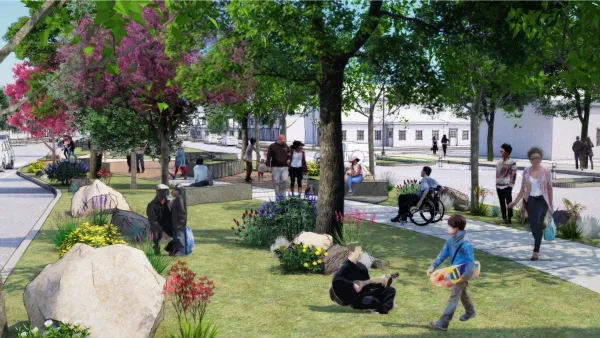
South L.A. Complete Streets Project Back on Track
First proposed in 2015, the Broadway-Manchester redesign would add bike infrastructure, pedestrian improvements, trees, and other amenities.
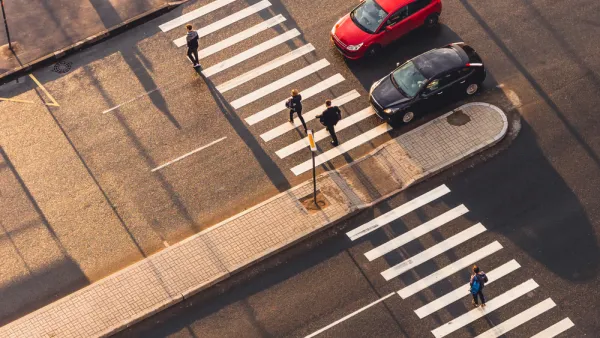
Safe Streets Grants Announced
The federal Safe Streets and Roads for All program funds planning and implementation for road safety projects aimed at reducing traffic deaths and building safe infrastructure for pedestrians, cyclists, and other vulnerable road users.
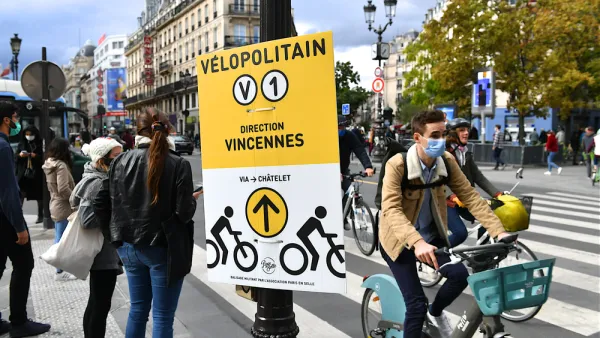
Where Pandemic Bike Improvements Won Out
While some cities are reverting back to pre-pandemic street configurations, others are taking advantage of the momentum for bike and pedestrian infrastructure to make pandemic-era projects permanent.

FREE Course: Walkable City 1: Why Walkability?
After describing his path towards focusing on walkability as the essence of good planning, Jeff Speck marches through his five principal reasons for making more walkable places.
Reinventing Malls: Planning Alchemy—Turning Gray Fields Into Gold
The course focuses on the opportunities and imperatives that shape reinvention of mall sites.

City of Rosemead
Rutgers University, Edward J. Bloustein School of Planning and Public Policy
One Hundred Miles
Hunter College, City University of New York (CUNY)
The Architects Foundation
University of Cincinnati Online
City of Cambridge
Montrose County
The Pocatello Development Authority









