Complete Streets
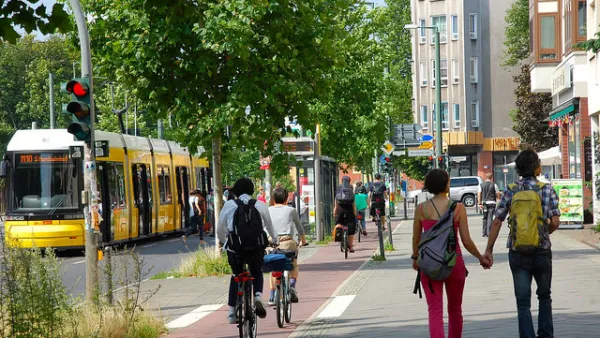
Creating Complete Streets
The complete streets movement calls for streets to be designed—or redesigned—in order to accommodate a broad range of users and uses.
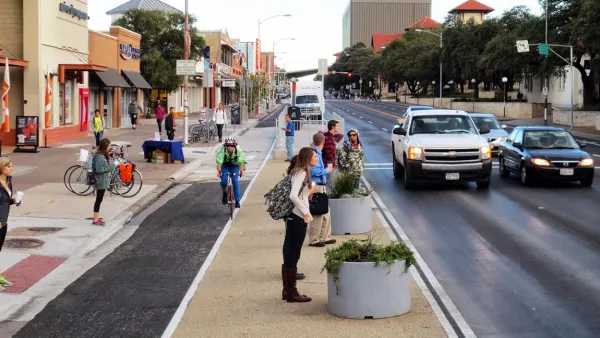
A Guide to Complete Streets
The needs that drive complete streets policy are as unique as the communities they have taken root, but effective complete streets programs do share a few common traits.
Nominate the 'Best Urban Street Transformation' of 2017
Streetsblog USA is seeking nominations.
Op-Ed: Planners Could Do More to Encourage Healthy Communities
In many locales, instruments like traffic studies take pedestrian health into little account. According to Lark Lo, healthy communities haven't been much of a priority at all.
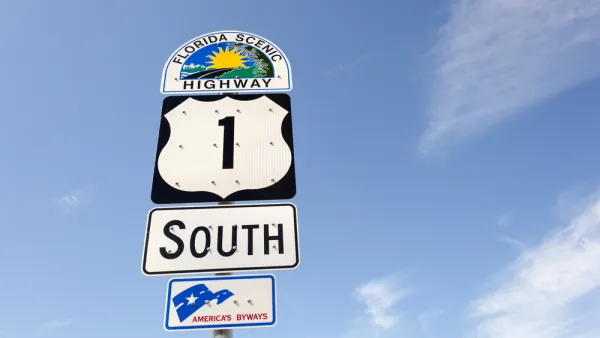
Florida DOT Adopts 'Context-Based' Street Design
The "right street in the right place" hasn't always been a concept that departments of transportation were ready to acknowledge, much less adopt. The Florida Department of Transportation, however, is working to take context into consideration.
How to Make NIMBYs Part of the Solution
A look at how to program social equity into the planning process, and balance NIMBY concerns with collective goals, by Howard Blackson, leader of AVRP SkyPort Studios Urban Design practice in San Diego.
The Calm Streets Project Launches in St. Louis
The Calm Streets project, intended to improve traffic safety, walkability, and economic development opportunities in St. Louis, picked up new momentum in the form of grant funding.
Better Block Earns Rave Reviews in Akron
A Better Block installation took over the streets of Kenmoore in Akron, Ohio last weekend.
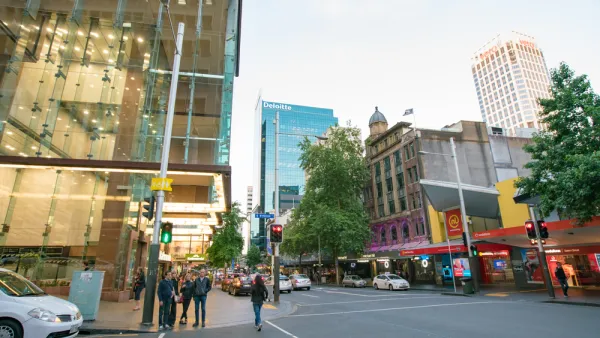
'Pedestrian Congestion' Hurts the Economy Too
There's an economic cost for making pedestrians wait at stoplights, according to a new study.
Bike Advocates Form 'Human Bollards' to Protest Lack of Protected Lanes
Protestors are placing their bodies between bike paths and car traffic to make a point about transportation planning.
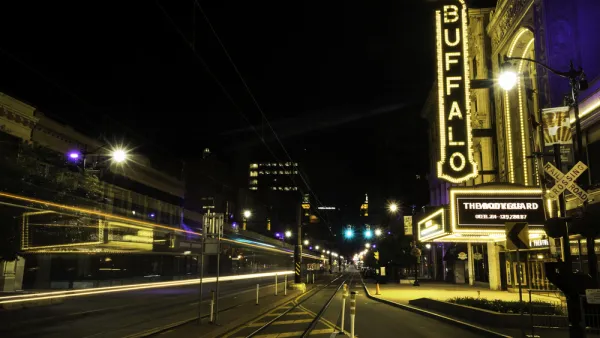
Making the Case for Walkability in Buffalo
Officials in Buffalo are considering a move to institutionalize their commitment to walkability.
Autonomous Vehicles and Streets: A Guide to Potential Impacts
As the arrival of autonomous vehicles (AVs) becomes more of a reality, cities need to start considering how this new technology will affect streets and street networks. This brief guide provides an overview and resources on this topic.
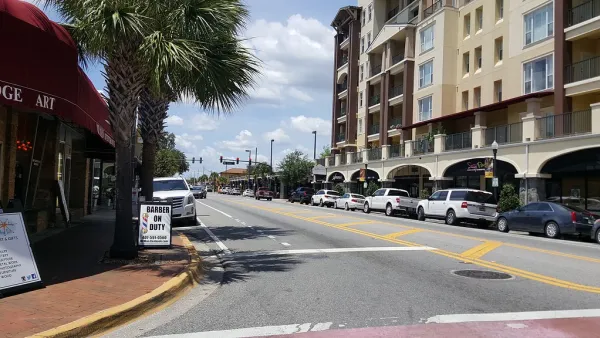
Orlando's Edgewater Drive: A Safer Street Through Lane Reduction
Its easy to criticize Florida, one of the deadliest states for pedestrians, however progress is being made through collaborative approaches between local citizens and their municipal officials.
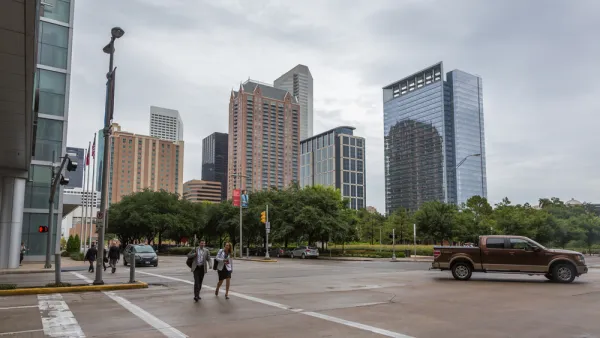
The Struggle for a Walkable Houston
Houston is fighting itself on walkability. While some build sidewalks and benches, parking minimums and outdated policies hold the city back.
Complete Streets Policies Still Seeking Equity
Though the quick expansion of complete streets policies is worth celebrating, minority and low-income communities are still being left behind, and killed at a disproportionate rate.
The Best of the Best Complete Streets Policies
Complete streets policies are keeping planners busy across the country. An annual report features the best of the best when it comes to transforming city streets for the safety and activity of all users.
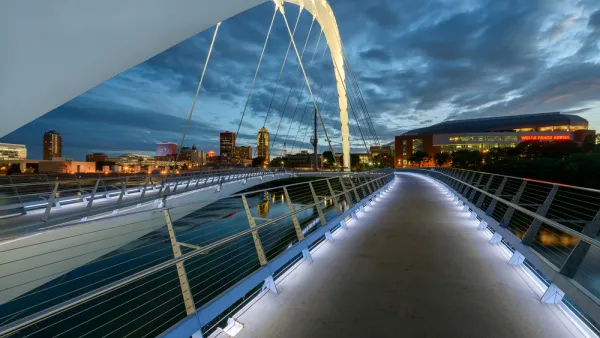
Des Moines Has a Plan to 'Connect Downtown'
Des Moines is considering an ambitious complete streets makeover of its downtown streets.
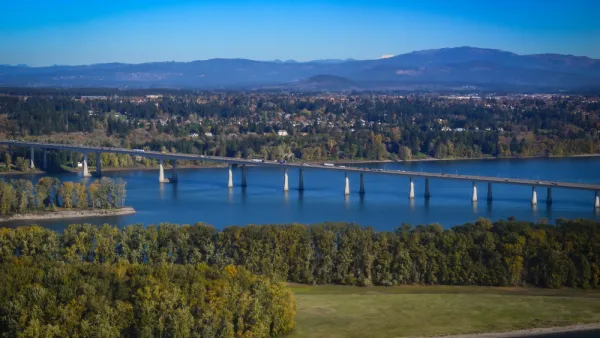
Vancouver, Washington Ready to Adopt a Complete Streets Policy
According to Smart Growth America, more than 1,000 local, regional, and state agencies have adopted Complete Streets policies, which means many suburban communities, like Vancouver, Washington, are focusing on safety for all users.
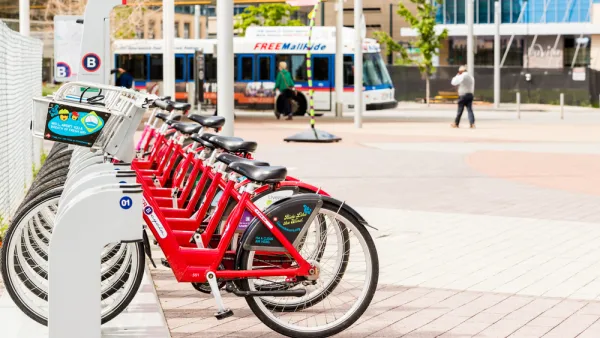
Denver Divvying Up More of its Street Space for Not Cars
Denver is in the process of rolling out a transportation experiment to the residents of the region: separating street space for transit and active transportation can serve all users and doesn't have to be the end of the world for drivers either.
Grassroots Activism Wins a Road Diet Instead of a Road Widening in Toledo
Streetsblog tells the story of how a Toledo resident got involved in complete streets activism in her community.

FREE Course: Walkable City 1: Why Walkability?
After describing his path towards focusing on walkability as the essence of good planning, Jeff Speck marches through his five principal reasons for making more walkable places.
Reinventing Malls: Planning Alchemy—Turning Gray Fields Into Gold
The course focuses on the opportunities and imperatives that shape reinvention of mall sites.

City of Rosemead
Rutgers University, Edward J. Bloustein School of Planning and Public Policy
One Hundred Miles
Hunter College, City University of New York (CUNY)
The Architects Foundation
University of Cincinnati Online
City of Cambridge
Montrose County
The Pocatello Development Authority









