Social / Demographics
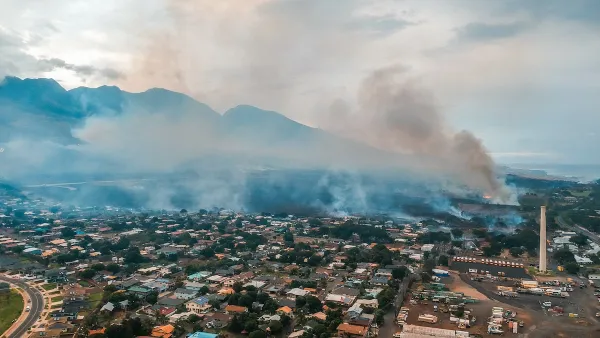
Maui's Deadly Firestorm: Investigating the Tragedy and Lessons for the Future
FRONTLINE's Maui’s Deadly Firestorm investigates the 2023 Lahaina wildfire, uncovering critical failures in preparedness and response while examining the tragedy’s causes, impact, and lessons for future disaster prevention.
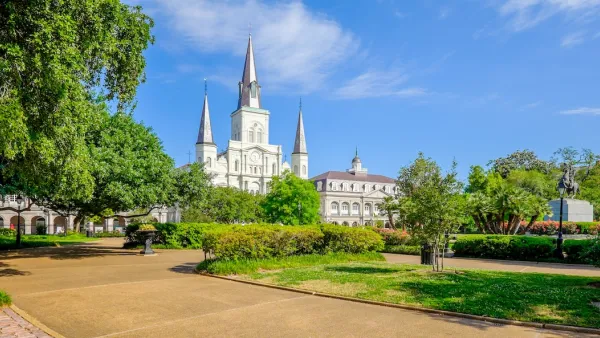
New Orleans Seeks Consultants for $8M Tree Planting Initiative
The city seeks consultancy firms to help implement an $8 million USDA Urban and Community Forestry Grant, advancing its goal of planting 40,000 trees by 2030 and strengthening urban sustainability and resilience.
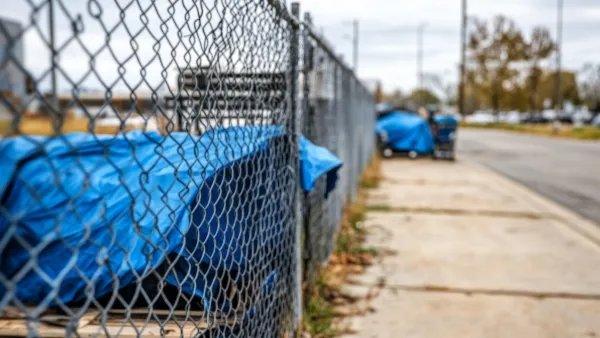
Camping Bans Proliferate After Supreme Court Ruling
A Supreme Court ruling in the case of Grants Pass v. Johnson has led over 100 cities to pass or step up enforcement of camping bans that criminalize unhoused residents.
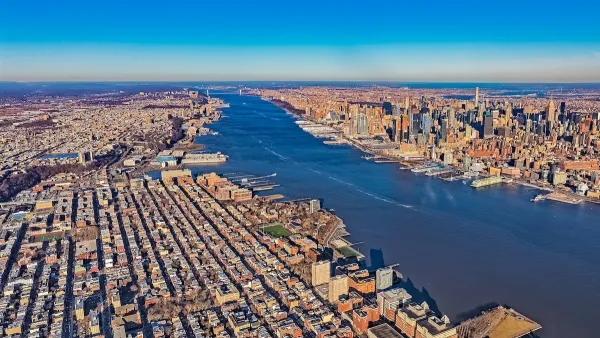
Is Crime More Concentrated in Spread-out Cities?
Our nation's most transit-friendly cities have lower crime rates than many sprawling cities- yet some people seem to feel safer in sprawling cities because they believe that in sprawl, crime is concentrated in just a few neighborhoods. Is this correct?
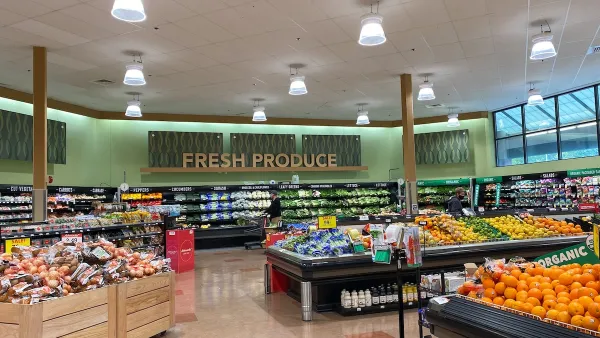
Food Insecurity in LA County Remains Alarmingly High Despite Some Improvement
Food insecurity in Los Angeles County remains above the national average, disproportionately affecting low-income and minority households, with researchers calling for expanded assistance and systemic solutions to address ongoing disparities.
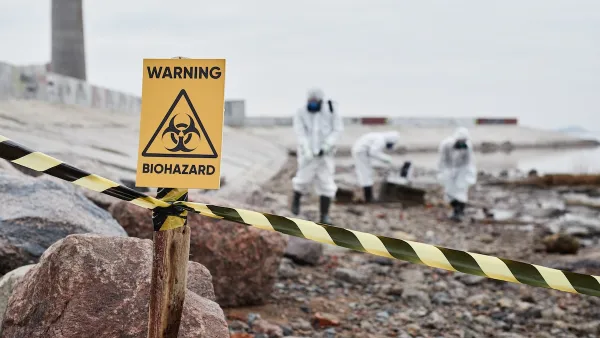
Students Drive Solutions for Environmental Justice Through Video Challenge
The Environmental Justice Video Challenge empowers students and communities to collaboratively address environmental inequities through innovative data-driven strategies, resulting in impactful projects and fostering local leadership.
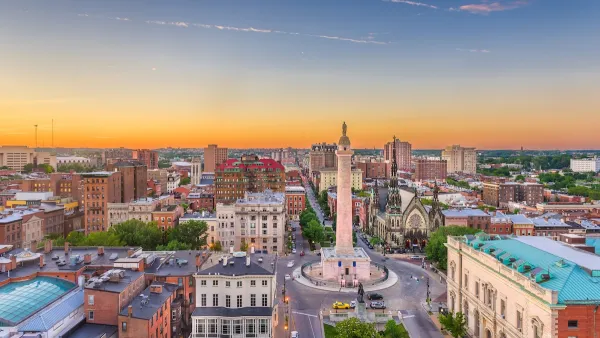
Rebuilding Together: How One Baltimore Program Advanced Education and Community Development
When Baltimore got funding for a round of school renovations, the state directed it to design schools that would also advance neighborhood revitalization — and it learned some lessons about why that's not always so simple.

Planetizen’s Top Urban Planning Books of 2024
Top of mind in 2024 were the far-reaching impacts of climate displacement, zoning as a solution to the housing crisis, and the potential for safer roads and better public transit in American cities.

Fact Check: New Housing Doesn’t Lead to Overcrowded Schools
A common refrain heard by locals opposed to new housing developments is that area schools can’t absorb the increase in students they’ll bring. As the nation approaches an “enrollment cliff,” the data tells a different story.

Survey: Americans Finding it Harder to ‘Age in Place’
While many people over 65 would prefer to stay in their homes and communities, high housing costs and a lack of accessible infrastructure make it difficult.

USDOT: Low-Income Households Bear Highest Transportation Cost Burden
Transportation costs are the second-highest household expenditure behind housing for all income levels.
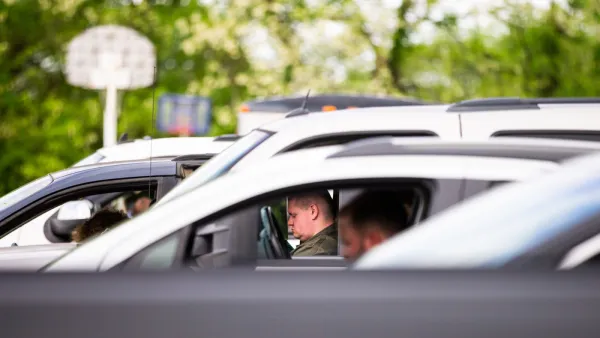
Study: Automobile Dependency Reduces Life Satisfaction
Automobile dependency has negative implications for wellbeing. This academic study finds that relying on a car for more than 50 percent of out-of-home travel is associated with significant reductions in life satisfaction.
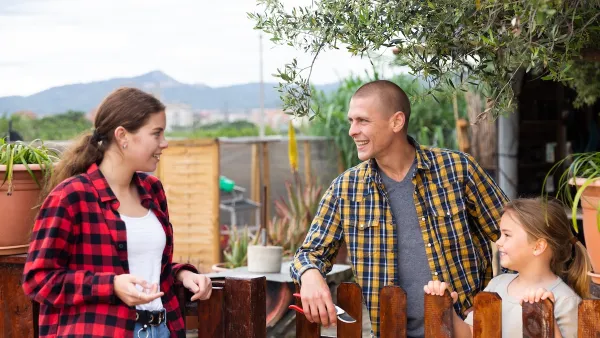
For Some, Co-Housing Offers Social and Economic Benefits
Residents of co-living developments say the built-in community helps ease the growing isolation felt by many Americans.
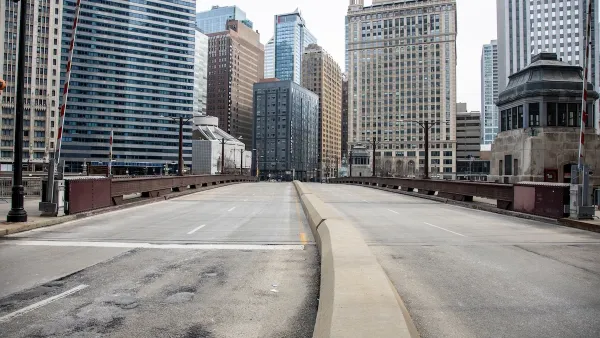
Major US Cities Still Suffering Downtown Decline
Research shows that the “donut effect” hollowing out central business districts since the pandemic continues to cause economic decline in the 12 largest American cities.

Plugging the Gap: Taxpayers Shoulder the Burden of Orphaned Oil and Gas Wells
Taxpayers, federal agencies, and tribal governments are working to address Arizona's orphaned oil and gas wells, which pose environmental and health risks, while advocates call for greater accountability from oil and gas companies.
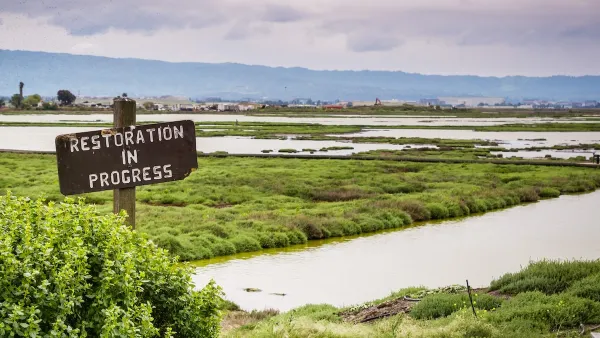
Nature-Based Solutions for Sustainable Climate Action
These solutions offer cost-effective, sustainable methods to combat climate change, but require government action to reallocate subsidies, integrate natural assets into financial systems, and develop biodiversity credit markets.
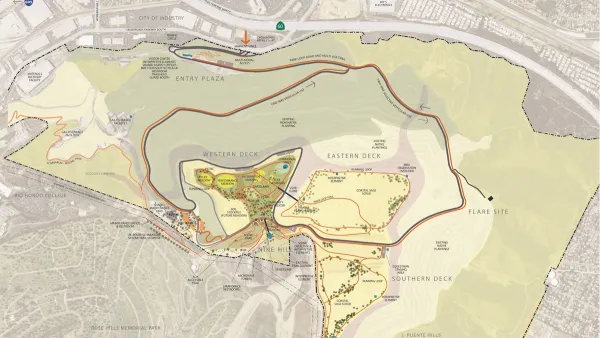
Trash to Treasure: New Park Set to Redefine Open Space in the San Gabriel Valley
Puente Hills Landfill Park, opening in 2027, will transform a former landfill into a regional park with trails, scenic vistas, and various amenities, addressing environmental justice and providing much-needed green space for the San Gabriel Valley.
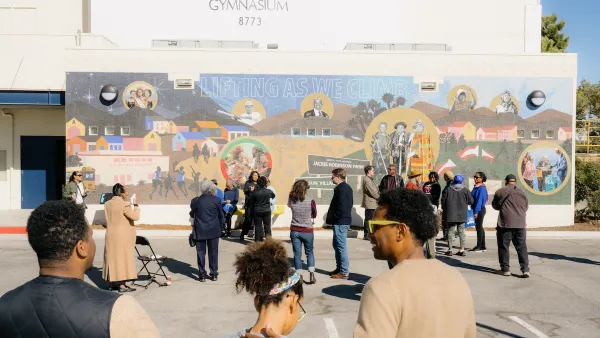
Honoring Heritage: Stunning Mosaic Unveiled in Sun Village
The new artwork celebrates African American heritage, resilience, and the efforts of The Civic Women’s Club in shaping the high desert community in the Antelope Valley.

Improving South Los Angeles Through Strategic Tree Planting
The University of Southern California Urban Trees Initiative is planting 250 trees in South L.A. neighborhoods to improve shade, combat climate change, and enhance community well-being through collaboration and data-driven approaches.
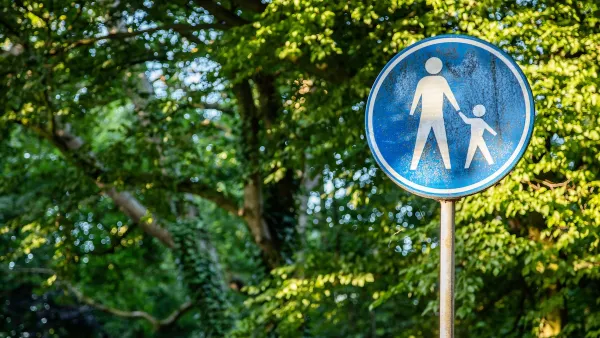
Lessons in Child-Friendly Cities From Europe
How parklets, open streets, and green spaces make cities safer and friendlier for children and families.

FREE Course: Walkable City 1: Why Walkability?
After describing his path towards focusing on walkability as the essence of good planning, Jeff Speck marches through his five principal reasons for making more walkable places.
Reinventing Malls: Planning Alchemy—Turning Gray Fields Into Gold
The course focuses on the opportunities and imperatives that shape reinvention of mall sites.

One Hundred Miles
County of Mendocino
planning NEXT
The Architects Foundation
University of Cincinnati Online
Montrose County
Northern Illinois Transit Authority (NITA)
The Pocatello Development Authority