More than half of the city’s population speaks a language other than English at home, making translation services a key pillar of accessibility.


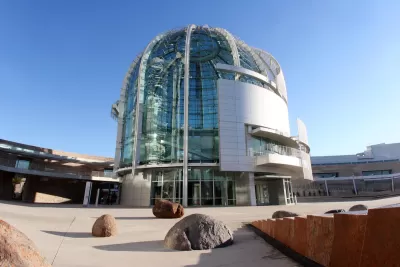
The city of San Jose is considering expanding the use of an artificial intelligence tool that is making City Council meetings more accessible to non-native English speakers, reports Julia Edinger in GovTech.
“The tool was unveiled and first used at the April 16 council meeting; it provides real-time AI transcription in more than 50 languages.” This provides a valuable service in a city like San Jose, where 57 percent of the population speaks something other than English at home. Now, the city is collecting public feedback about the service as it evaluates other potential uses, primarily other community meetings.
San Jose leads a nationwide coalition of municipal agencies that “ aims to lead responsible adoption of AI governance and use.”
Read the full story: San Jose AI Initiative Boosts Accessibility, but by How Much?


Does every planner need an AI policy?
From a hundred-person agency to a one-person consultancy, the answer is yes. The difference is what “policy" means.
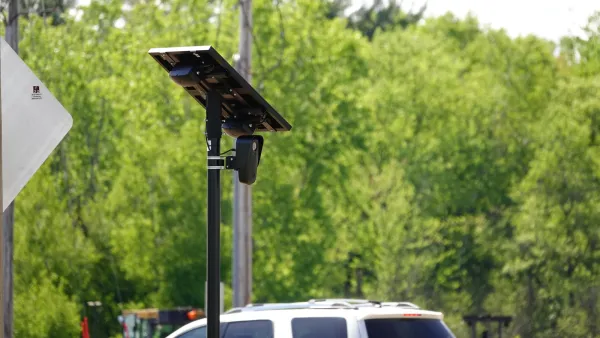
San Jose Moves to Rein in Flock Cameras, Joining in Backlash Amid Privacy Concerns
The city’s police chief is asking to limit the company’s data retention and sharing abilities.
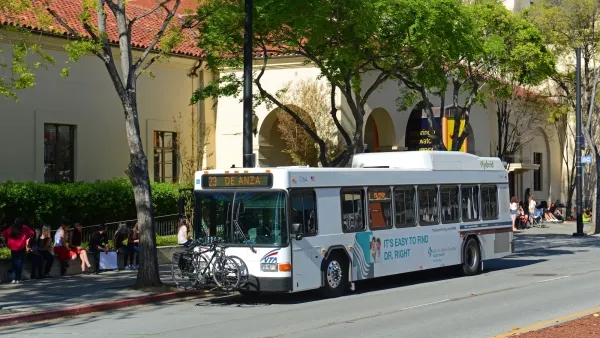
San José’s Buses Run 20% Faster Thanks to AI
The city is employing AI to adjust traffic signals to prioritize buses.

Planetizen Federal Action Tracker
A weekly monitor of how Trump’s orders and actions are impacting planners and planning in America.

The state-sanctioned urbicide of Austin
People don’t kill cities. Freeways do.

US to reduce Colorado River water deliveries to Mexico
A new Colorado Treaty amendment reduces Mexico’s Colorado River water allocation by 250,000 acre feet.

NYC cools commuters with city's first rain garden above a bus stop
New York City officials say the plants in the rain garden can absorb 16 gallons of rainwater during heavy storms.

Brightline West’s future may rely on $6 billion federal loan
The company has until Nov. 2 to make a $400 million equity investment into its proposed high-speed rail line.

LA Metro’s ultimatum: no extra buses for LA28 if federal funding isn’t imminently secured
If Metro does not provide additional buses, LA28 organizers will have to find a new way to manage Olympic traffic. LA28’s budget does not include a line item for transit.

FREE Course: Walkable City 1: Why Walkability?
After describing his path towards focusing on walkability as the essence of good planning, Jeff Speck marches through his five principal reasons for making more walkable places.
Reinventing Malls: Planning Alchemy—Turning Gray Fields Into Gold
The course focuses on the opportunities and imperatives that shape reinvention of mall sites.

Eagle County Government
Harvard University Graduate School of Design
Nashville Planning Department
The Architects Foundation
University of Cincinnati Online
The Pocatello Development Authority
The Urban Renewal Agency of the City of Pocatello
Journal of the American Planning Association