A legacy of discriminatory planning exacerbated the low-density sprawl that's been so hard for Los Angeles to roll back.


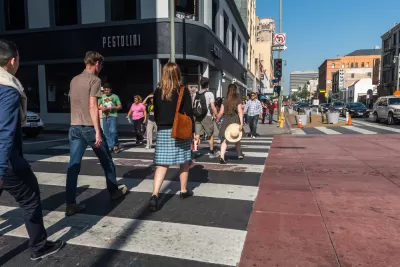
The Los Angeles stereotype is insane commutes and unwalkable streets. The stereotype is not completely unfounded, because of when the city was growing. "Social inequality is baked into the regional land use laws characterized by low-density sprawl that has contributed to car dependence," Emily Han writes for The American Prospect. The sprawl makes it particularly hard to grow public transit. "Long distances between home and work complicate walking and biking, while the absence of a high-frequency transit network also encourages driving," Han writes.
But many are looking to change that reality. "A walkable city means building more workforce housing, a robust bike network, and reliable transit that puts homes and employment in closer proximity," Han writes. Some road diets have been put in to slow drivers, but they've faced serious opposition, "despite the fact that road diets reduce fatalities, these projects have also generated considerable political controversy."
FULL STORY: The Continuing Quest for a More Walkable Los Angeles

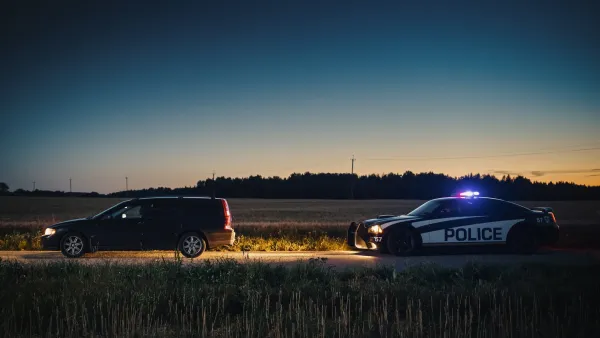
Yes, another thing that car dependency makes worse: DUIs
In the land of the free (and the cars), design incites drinking and driving.

Cost of living too high? Planners to the rescue!
Excessive costs of living force many people to work more than optimal hours, leaving less time for family and fun. Local policies that favor affordable housing and transportation increase freedom, opportunity and happiness.
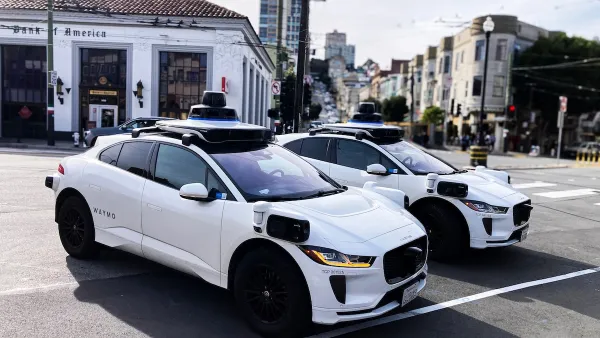
How Autonomous Cars Can Induce Sprawl and Sabotage Climate Goals
Robotaxis can lead to longer, more frequent trips and are projected to increase VMT by as much as 83 percent.

The state-sanctioned urbicide of Austin
People don’t kill cities. Freeways do.

US to reduce Colorado River water deliveries to Mexico
A new Colorado Treaty amendment reduces Mexico’s Colorado River water allocation by 250,000 acre feet.

New Jersey’s second-largest city bans standalone data centers
Jersey City will continue to allow co-location facilities, such as those meant for research institutions that store their own data.

Amtrak not solely to blame for New Jersey commuter rail's unreliability, report finds
A new study from the Garden State Initiative found that NJ Transit’s budget grew 20% across a 4 year period, but reliability declined significantly over the same period.

EPA erases limits on planet-warming pollution from power plants
Under Monday’s plan, power plants would still have some limits on how much mercury, arsenic and other contaminants they can emit.

Phoenix announces new on-demand transit service, more frequent RAPID buses
Both new services will launch in October, and are part of Phoenix's Project Effective Access Solutions for Easing Congestion.

FREE Course: Walkable City 1: Why Walkability?
After describing his path towards focusing on walkability as the essence of good planning, Jeff Speck marches through his five principal reasons for making more walkable places.
Reinventing Malls: Planning Alchemy—Turning Gray Fields Into Gold
The course focuses on the opportunities and imperatives that shape reinvention of mall sites.

Eagle County Government
Harvard University Graduate School of Design
Nashville Planning Department
The Architects Foundation
University of Cincinnati Online
The Pocatello Development Authority
The Urban Renewal Agency of the City of Pocatello
Journal of the American Planning Association